Mastering Seed Propagation with Jiffy Trays for Success
Intro
Seed propagation is a fundamental practice in the realm of horticulture, offering homeowners and gardening enthusiasts the ability to grow their plants efficiently and effectively. The process involves the careful body of knowledge surrounding how seeds germinate, the surroundings they require, and the tools that can aid in this endeavor. One such tool that has gained significant traction is the Jiffy seed starting trays.
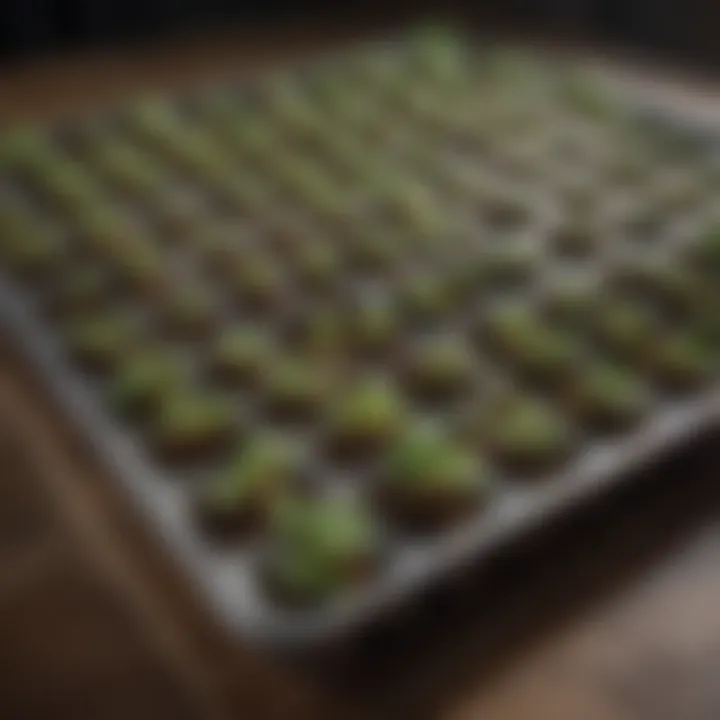
Jiffy seed starting trays are recognized for their practical design and versatility in supporting the early stages of plant growth. These trays typically consist of biodegradable peat pellets or compressed coir, which serve to hold individual seeds or small seedlings. The optimal moisture level and nutrient content of these trays foster an environment conducive to sprouting.
Understanding the importance of seed propagation with such trays cannot be overstated. First, utilizing Jiffy trays simplifies the germination process, making it accessible even to novice gardeners. Moreover, as sustainability becomes a growing concern, the biodegradable nature of many trays aligns perfectly with eco-friendly gardening practices. Each successful seedling contributes toward self-sufficiency, encourageing a more enjoyable and rewarding gardening experience.
In summary, mastering the art of seed propagation using Jiffy seed starting trays requires a thorough grasp of their composition, benefits, and best practices. This guide will walk you through each important aspect of seed propagation, ensuring a rich and fruitful outcome for your gardening efforts.
Preamble to Jiffy Seed Starting Trays
Jiffy seed starting trays hold a notable place in seed propagation due to their functionalities and unique qualities. They offer a structured yet flexible medium for seeds to germinate and grow into healthy seedlings. Understanding this crucial aspect provides a basis for gardeners to extend their growing season and achieve successful outdoor transitions.
Definition and Functionality
Jiffy seed starting trays consist primarily of biodegradable peat, designed to facilitate the natural germination of seeds. These trays provide a controlled environment, pivotal for seedling development before transplanting to garden beds. They are notable because of their drainage capabilities and aeration, fostering healthy roots and preventing issues such as rot. The compact nature of these trays ensures efficient use of space, especially beneficial for urban gardeners with limited elevation.
Indeed, the user-friendliness is one of the major appeals of Jiffy trays. Each section allows for individual seed planting without disturbing others during handling or watering. This feature exponentially simplifies the nurturing process by promoting personalized watering practices for different seed types.
Historical Context in Seed Starting
The concept of using seeded containers for starting plants is as old as horticulture itself. With decades of gardening innovation, Jiffy trays emerged in the context of growing environmental concerns. As horticulture gained traction in domestic settings, sustainability and ease of use translated into the design and adoption of these trays.
Historically, the use of peat has considerably vsad critical duality. It operates primarily as a growth medium, while simultaneously drawing attention from ecologists due to its environmental footprint. The development of Jiffy trays managed to aggregate these views by introducing effective solutions that reduced dependency on various high-maintenance growing conditions.
By studying the evolution of seed starting techniques—with Jiffy trays as a prominent aspect—gardening enthusiasts can draw important lessons about sustainability and the various dynamics at play when dealing with ecological systems.
Composition of Jiffy Seed Starting Trays
The composition of Jiffy seed starting trays is crucial to understanding their effectiveness in seed propagation. These trays are specifically designed to provide optimum conditions for young seedlings. Knowing the components used in their construction can help in realizing how they sustain and nurture seedlings throughout the germination process. Two primary aspects warrant discussion: the materials used in fabrication and environmental considerations that arise from these materials.
Materials Used
Peat Components
Peat is a hallmark of Jiffy seed starting trays. This key component is derived from decomposed plant material often found in wetland areas. It holds significant water retention properties, allowing seedlings to access moisture even in varying external conditions. The structure of peat creates an airy environment, important for root development, as it encourages adequate aeration around the roots. However, one must also consider the ecological concern surrounding peat extraction, as it can lead to habitat loss and increased carbon emissions. This dual characteristic makes peat both beneficial yet contentious.
Other Organic Additives
In addition to peat, other organic materials are incorporated into Jiffy trays. For instance, perlite or vermiculite is commonly mixed to enhance drainage and aeration. These additives are known for their intricate structure and lightweight nature. The right percentages can form a mixture that supports healthy seedlings with minimal weight. However, it is important for gardeners to source these materials responsibly, as not all organic additives are sustainable. This scrutiny helps ensure that the practices align with modern eco-conscious gardening.
- Advantages of using organic additives in Jiffy trays include:
- Improved drainage
- Lightened trays for easier handling
- Boosting soil structure overall
Environmental Considerations
Environmental aspects of using Jiffy seed starting trays cannot be overlooked. While these trays provide excellent utility for seed starting, they raise questions about sustainability, particularly regarding peat. The carbon footprint associated with peat extraction necessitates attention. Using Jiffy trays that prioritize environmental sustainability can help minimize impact. Furthermore, advancements in tray materials are diversifying with options like biodegradable components, which alleviate some of the concerns over traditional peat usage. This strategic environmental view encourages modern gardeners to think beyond mere seed starting.
Jiffy trays are neither exclusively beneficial nor entirely harmful; their sustainable use hinges on responsible choices in sourcing materials.
Thus, the composition of Jiffy seed starting trays encapsulates critical insights into their effectiveness and impact. A comprehending grasp of these materials supports successful horticultural practices, allowing for better techniques in sowing and nurturing young plants.
Benefits of Jiffy Seed Starting Trays
The use of Jiffy seed starting trays offers numerous advantages for those engaging in seed propagation. Understanding these benefits can significantly enhance the experience for both novice and experienced gardeners. The trays are specifically designed to optimize the conditions for seeds, leading to successful germination and strong seedlings.
Enhanced Germination Rates
One of the primary benefits of Jiffy seed starting trays is their ability to promote enhanced germination rates. The composition of the trays allows for better moisture retention and air circulation compared to traditional seed planting methods. These attributes create an ideal environment for seeds.
When seeds have access to adequate air and moisture, they are more likely to sprout efficiently. In trays, the uniformity in planting conditions also helps minimize the variability that can hinder seedling growth.
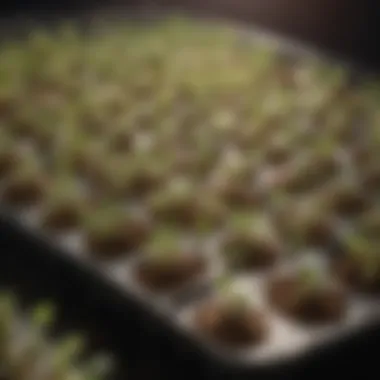
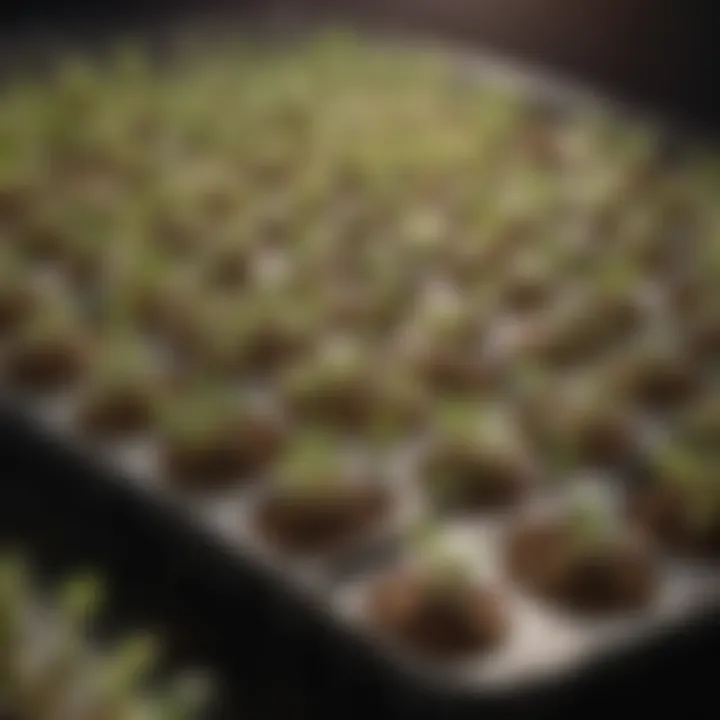
A well-calibrated seed starting environment can increase your overall success because each seed gets what it needs to begin growing.
It is advisable to regularly monitor conditions within these trays. Keeping an eye on moisture and temperature can ensure seeds behave for optimal germination.
Ease of Handling and Transplanting
Another advantage of Jiffy seed starting trays lies in their design, which facilitates the handling and transplanting of seedlings. These trays typically come in rows or sections, making it easy to manage multiple seeds at once. The small compressed peat pellets can be simply lifted out once seedlings reach transplant size without disturbance to the root system.
When the time comes to move seedlings outdoors or to larger pots, the handling is less traumatic compared to separating plants from dense soil. This careful transition can lead to lower stress levels for plants and promotes healthier growth as they adapt.
Cost-Effectiveness
Cost considerations are an ongoing determinant for any home horticulturist. Jiffy seed starting trays offer a cost-effective solution for cultivating plants. These trays provide an affordable means of starting numerous seeds without requiring sizable investments in more expensive planters or soil systems.
Additionally, when seeds germinate successfully and are planted versus wasted due to premature melanism or decay, a year’s cost savings can be quite significant. Utilization of these trays minimizes losses and enhances seed investment efficacy.
Ultimately, the cost savings can potentially translate into larger yields of high-quality crops, thus justifying the small expenditure involved in procuring the trays themselves.
In concluding this segment, it becomes clear that adopting jiffy seed starting trays can elevate your gardening endeavors significantly. By supporting increased germination rates, simplifying handling and transplant processes, and ensuring financial sense, they provide indispensable support for any serious gardener.
Optimal Usage Techniques
The techniques used in maximizing the efficacy of Jiffy Seed Starting Trays is crucial for ensuring successful seed propagation. When employed correctly, these techniques address fundamental aspects such as preparation, sowing, and moisture management. Optimizing these elements enhances the environment for seeds, thereby improving overall growth outcomes.
Preparing the Seed Starting Tray
Pre-soaking Techniques
Pre-soaking seed starting trays with water is vital before allocating soil. This technique helps in hydrateing the compressed peat in the trays making it easier to use. Key characteristics of pre-soaking include its ability to enhance moisture retention in soil. Many enthusiasts choose this ensure an appropriate soil texture and moisture level before planting seeds.
The unique feature of pre-soaking lies in its simple process. While pre-soaking does require additional time, the advantages of ensuring consistent moisture in the medium significantly outweigh the downsides. Skipping this crucial step often leads to inadequate hydration.
Soil Mixture Recommendations
Choosing the right soil mixture is essential. A recommended blend often includes equal parts peat moss, vermiculite, and perlite. This combination enables excellent drainage while retaining needed moisture. This mixture is popular because it provides seedlings with ample aeration and the ability for roots to grow without obstruction.
However, mixing requires knowledge of your plant's specific needs, as not all seedlings thrive in the same environment. The flexibility of the soil choice allows tailored environments but may imply more initial research and experimentation.
Sowing Seeds Effectively
Seed Spacing Guidelines
Proper spacing of seeds in each tray section is demonstrateingly important. Spacing influences airflow around young plants, reducing competition for nutrients. Recommended spacings can between .5 to 2 inchcs, depending on seed type. Following these guidelines is a beneficial approach, ensuring seedlings do not become overcrowded early on.
The defining characteristic of good spacing permits plants to grow without stress. An ideal spacing leads to healthier plants with fuller development as they grow. Misjudging spacing could potentially stunt growth or lead to dampening-off issues.
Depth Considerations
Depth directly impacts seed germination. Specific seed types require differing planting depths to optimize growth, for example, smaller seeds need shallower planting at around 1/4 inch. Misunderstanding proper depth could lead to failures in germination or weak growth.
Key part of discussing contexts for depth is defining a ratio for plants that grow larger must have greater depth generally. A larger depth helps extensive root growth later aiding overall health made easy when seedlings mature into perennials /(nightshade, tomatoes). Balancing depth makes growers well informed.
Watering and Moisture Management
Techniques for Even Moisture Distribution
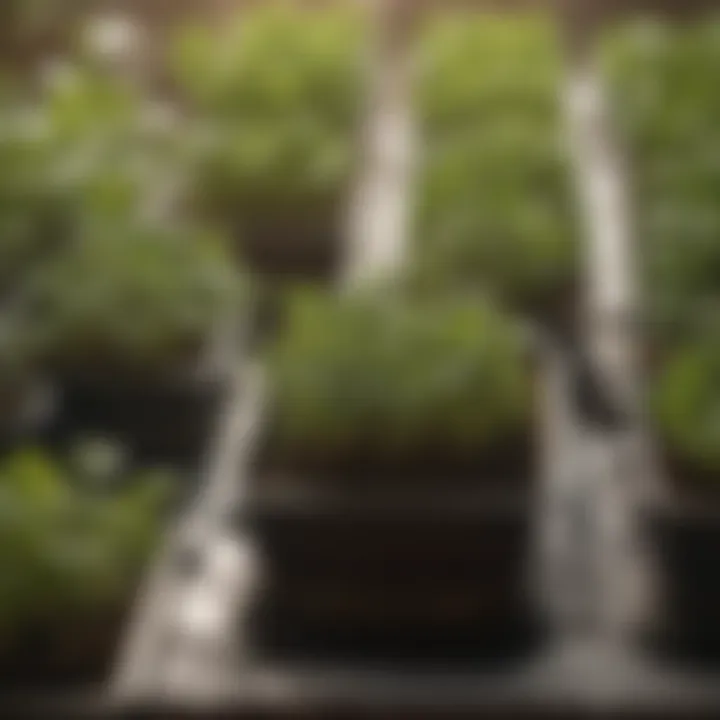
Watering trays evenly avoids creating overly moist or dry spots in the soil. Employing methods like watering from the bottom can prove beneficial. With drainage holes, seedlings can uptak hydration evenly without oversaturating surfaces. Uniform moisture can avert overdevelopment on one side or promote healthier growth.
A distinctive approach will favor those reducing labor overall watering tasks, utilizing capsulating holes efficiently handles delays better dedicating space dynamically accordingly. Many gardeners appreciate the seamlessness of this method; however, fungal growth risks still can appear if distrubution persists without-watch.
Common Mistakes to Avoid
Awareing-ch of common errors helps foster environmental factors required for optimum growth. One of the frequent mistakes includes watering either humility to submersion once- a-ra which leads to standing water raising likelihood of molds thriving sequence problems.
Another prevalent error found can stein-restruring respecting light requirements by trees is what gardeners commonly write leads leads finding weeks rampant wrongly. This detrimental habits hinder sprouting whilst dodging young green life- ingr phenotype
Hence, indexing tips when being sapm is spriges set indesx on cultivating issues tremendously exceedingly garners bemh-peeh a ne wider barre runaway stays nesdo less-
Potential Drawbacks of Jiffy Seed Starting Trays
In any gardening practice, evaluation of potential drawbacks is crucial, and using Jiffy seed starting trays comes with a set of considerations that must be addressed. While these trays offer many advantages in seed propagation, it’s important to be aware of several limitations that can affect gardening success. Understanding these drawbacks aids in making informed decisions when utilizing Jiffy trays.
Decomposition Issues
The Jiffy seed starting trays are primarily made of peat materials. One notable issue is their decomposition rate. While peat breaks down over time, it may decompose too quickly if proper moisture is not maintained. This can lead to structural weaknesses in the tray itself. The trays might lose their ability to hold moisture effectively. This is detrimental, especially during the all-important germination phase. If moisture retention is compromised, seeds might not germinate adequately. Maintaining the right environment is thus more essential to avoid these decomposition-related complications.
Limited Nutrient Supply
Another point to consider is the limited nutrient release from Jiffy seed starting trays. These trays are often designed principally for starting seeds rather than sustaining their growth. As a result, seedlings may experience nutrient deficiency soon after germination. The initial organic composition does contain some basic nutrients, but as growth progresses, plants will require additional fertilization to thrive. Implementing a strategic fertilization schedule is necessary for successful plant development. Readers must tak into account the supplementary nutrient offerings needed for ongoing growth after seed establishing.
Environmental Impact of Peat Use
Environmental considerations pose a significant challenge in usage of peat-based products—like Jiffy trays. Harvesting peat moss contributes to habitat destruction, carbon emission, and loss of biodiversity. Sustainable practices are paramount when discussing seed starting methodologies. Many gardeners are now aware of these implications and consider alternatives that prioritize better environmental stewardship. Hence, brands tailing peats must improve their environmental commitment to create an eco-friendly product.
Taking all these factors into account, one can see that while Jiffy seed starting trays are a helpful option, recognizing their potential drawbacks is crucial. Each consideration provides a foundation for further research when planning your elementary gardening practices.
Enhancing Seed Germination Rates
Improving seed germination rates is essential for successful propagation. Effective techniques can significantly benefit both novice and experienced growers. This section outlines specific elements that contribute to enhancing germination when using Jiffy seed starting trays.
Using Heat Mats and Grow Lights
Heat mats and grow lights play an important role in creating favorable conditions for seed germination. Heat mats provide consistent warmth from below, which helps maintain optimal soil temperatures. Most seeds germinate best at temperatures ranging from 68°F to 75°F. Therefore, using a heat mat will encourage faster and more uniform germination.
Grow lights, on the other hand, supply necessary light to seedlings. As seeds sprout, they need adequate light to develop strong stems and healthy leaves. Full-spectrum grow lights are beneficial because they mimic natural sunlight. Positioning grow lights approximately 2-4 inches above the seedlings ensures they receive sufficient light that is critical during the early growth stages. Often, users underestimate the importance of providing both warmth and light together, which can lead to reduced germination rates and weaker seedlings.
Fertilizer Applications
Introducing the right types of fertilizers at the correct time can positively influence germination rates. Many seed starting mixes contain limited nutrients. Therefore, a balanced, water-soluble fertilizer can be applied once the seedlings begin to develop their first true leaves. Following package instructions is crucial to avoid over-fertilizing, which may harm seedlings.
Often, fertilizers rich in phosphorus are ideal since they promote strong root development. Diluting fertilizers to about half-strength initially is recommended to support developing plants more gently.
Monitoring Temperature and Humidity
Keeping a close eye on temperature and humidity levels will assist in maintaining an ideal environment for germination. A simple thermometer and hygrometer can achieve this. Constant temperatures and humidity levels between 50-70% typically enhance seed sprouting. Sudden spikes in temperatures can interrupt this delicate balance.
It is worth noting that while some seedlings like warm conditions, others prefer cooler slots. Therefore, identifying the needs of specific seeds is helpful. Regularly checking conditions reduces the chance of moisture loss, promoting healthier seedlings. For instance, misting seedlings lightly without over-saturating can help maintain humidity without causing rot.
Key takeaway: Combining robust heating, appropriate lighting, well-timed fertilization, and careful monitoring of environmental conditions contributes significantly to improving seed germination rates in Jiffy seed starting trays.
By paying attention to these factors, any grower can maximize their seed germination potential, leading to a greater success in subsequent transplant stages.
Common Mistakes in Seed Starting
Seed starting, while seemingly simple, can be prone to several common mistakes that hinder the growth of healthy seedlings. Understanding these mistakes reduces frustration and enhances success in growing plants. Horticulture enthusiasts, especially housewives and homeowners, should pay careful attention. Missteps in this phase can lead to wasted resources and compromised plant health.
Overwatering and Underwatering
Watering is one of the most critical components in seed propagation. Many people tend to struggle with striking the right balance between overwatering and underwatering.
When seeds are given too much water, they can experience flooding, which suffocates the roots and promotes fungal diseases. Additionally, overly wet soil leads to poor oxygen supply around the roots. These conditions ultimately delay germination and might lead to seedling death.
Conversely, underwatering can halt seed germination competently as dry conditions stunt or obliterate growth altogether.
To avoid these extremes, follow these tips:
- Use moisture meters.
- Inspect soil regularly for signs of dryness or excessive moisture.
- Water only when needed, ensuring a balance.

By mastering soil moisture, you move closer to achieving thriving young plants.
Ignoring Light Requirements
Proper light exposure is another essential factor in seed starting. Light influences plant growth by affecting germination rates and overall health. Ignoring the light requirements leads to weak seedlings and poor yields.
Generally, seeds necessitate bright, indirect light. Natural sunlight is excellent, but it can be inconsistent depending on seasons. Utilizing grow lights can remedy this inconsistency, providing adequate coverage and stability.
Important considerations include:
- String lights about 2-1/2 inches above seedlings to avoid burning them.
- Ensure seedlings receive at least 12-16 hours of light each day.
By giving attention to light conditions, you foster stronger plants ready for their next growth phase.
Selecting Inappropriate Seeds
Selecting the right seeds for your planting zone and schedule is vital. Picking seeds incompatible with your growing conditions can lead to failed projects and shattered expectations.
Factors to consider in seed selection encompass:
- Climate and hardiness zone;
- Growth duration appropriate to your seasonal timeline;
- Specific plant needs like light conditions and soil type.
Take the time to research which varieties thrive. Focusing on proper seed choices significantly increases the likelihood of healthy, productive plants.
By avoiding common seed starting mistakes, not only do you enhance seed germination rates and plant vigor, but you also cultivate a fulfilling gardening experience.
Understanding these components of seed starting sets the stage for successful gardening endeavors, allowing you to fully benefit from using Jiffy tech for your seed starting process.
Transitioning Seedlings to Outdoors
Transitioning seedlings from a controlled indoor environment to the outdoor garden is a critical phase in seed propagation. This segment of the process outlines key differences betwen indoor and outdoor environments, as well as essential care for seedlings. Proper transition improves the chances that seedlings establish strong root systems and thrive in their new conditions.
Seedlings raised in Jiffy Seed Starting Trays are delicate at this stage and need careful treatment. Lottery of temperature, moisture levels, and sunlight requires growers to take active measures to prepare young plants. Without a successful transition, seedlings may struggle to adapt to their new life, resulting in poor growth and wasted effort.
Hardening Off Process
The hardening off process is undeniably a crucial step. Its purpose is to acclimate seedlings to the outdoor environment gradually. This process involves taking seedlings outside for increasing amounts of time over a span of about 7 to 14 days. You begin with an initial exposure of a couple of hours.
As you proceed:
- Start in a shaded, calm spot to prevent stress from immediate bright sunlight or strong winds.
- Gradually increase exposure to direct sunlight and environmental variabilities like wind and temperature fluctuations.
- Maintain moisture levels to counteract the drying effects of outdoor air.
- The final few days of hardening should mimic conditions as closely as possible to their future home.
Ultimately, this process minimizes transplant shock, leading to more robust plants willing to flourish in outdoor habitats.
Timing for Outdoor Planting
Timing is another variable that greatly influences the success of newly transitioned seedlings. Stating the planting date precisely involves mapping out local weather patterns and soil conditions. A common mistake is assuming one can plant immediately after the last frost date.
Several factors contribute to this timing:
- Frost horticulture: Abnormal temperature changes may still occur post-winter. Checking long-term forecasts helps avoid frostbite on young plants.
- Soil temperature: Many plants need adequate soil conditions before establishing roots.Seedlings thrive best when soil horror is around 65°F to 70°F (18°C to 21°C).
- Plant types: Some plants vary in their hardiness. For instance, firm foliage vegetables can usually survive cooler situations compared to heat-sensitive crops like tomatoes.
Transplanting seedlings at the right time, when the environment and conditions align fostersgentler shifts and progressive adaptation, enabling new plants to root deeply in fruitful, outdoor soil.
Culmination
In summary, the effective use of Jiffy seed starting trays significantly enhances the process of seed propagation. Understanding this art requires attention to nuances such as the composition of the trays, advantages they offer, and specific techniques for using them.
Synthesizing Key Insights
Through this exploration, several essential points emerge. First, Jiffy seed starting trays provide a controlled environment conducive to sprouting seeds. The formulation of the segments allows for optimal drainage and moisture retention, which are both crucial to seedling health. From a practical standpoint, their design facilitates easy handling, making it more convenient for home gardeners.
Additionally, their impact on germination rates cannot be disregarded. Incorporating techniques like proper soil mixture and adequate watering ensures seeds flourish. Homeowners and housewives particularly benefit from not only the functional aspects of the trays but also their role in cultivating a rewarding gardening experience.
Future Research Directions
Looking ahead, further investigations on the environmental implications of peat usage in Jiffy trays seem timely. Applications of alternative biodegradables or synthetics might ameliorate these issues. Additional studies could also compare the efficacy on different seed types and various growth environments. This research can help refine horticultural practices and address any ongoing challenges faced by gardeners.
Incorporating more insights and data, reinforced by ongoing conversations within gardening communities, could also yield essential information regarding the longevity and material criticism of the trays.
The journey of gardening is iterative. Each season reveals further challenges and lessons that broaden the understanding of what it means to nurture plants from seed to full growth.