Effective Strategies for a Pet Safe Fence
Overview of Topic
Creating a pet safe fence may seem like a straightforward task, yet there’s more beneath the surface than just assembling panels or rolling out wire. For homeowners, this project sits squarely in the home improvement arena, extending beyond aesthetics to encapsulate safety and functionality. When a dedicated space for pets is established, everyone benefits—humans enjoy their outdoor areas without worry, while cats and dogs can roam freely without the fear of straying too far.
The significance of implementing an effective pet fence cannot be overstated. Not only does a secure perimeter protect pets from potential hazards, but it also eases a pet owner’s mind, knowing their furry companions have room to play without imminent dangers nearby. Furthermore, a well-planned space can enhance the visual appeal of one’s property while helping maintain the integrity of plants and landscaping.
Common Challenges and Solutions
Setting up a fence suitable for pets can pose various hurdles. Here are a few typical issues and ways to tackle them:
- Determining the Right Height: Many owners misjudge the height required for effective pet containment. Dogs are known escape artists, and specific breeds can jump higher than one might expect.
- Behavioral Considerations: Not every pet behaves the same way. Some may dig, while others are adept at climbing.
- Material Selection: Choosing the right fencing material can be daunting due to the overwhelming options.
- Solution: Ideally, a fence should be at least six feet tall for larger breeds to prevent any adventurous climbing or jumping attempts.
- Solution: For digging, consider installing a fence that extends underground a foot or more. The same is true for climbing—ensuring the top edge is angled inward can discourage these attempts.
- Solution: Assess what materials suit both your budget and your pet’s needs. For example, chain link offers visibility and airflow, while solid wood provides a barrier for visual privacy and sound insulation.
"A secure fence is not just about keeping pets in, but also protecting them from outside threats."
Product Recommendations
Exploring the market reveals numerous products tailored to establishing pet-safe areas. Here’s a look at some top brands worth considering:
- Invisible Fence: Offers a high-quality wireless solution suitable for various pet sizes. It has adjustable settings based on pet behavior, ensuring both security and freedom.
- PetSafe: Known for its durable traditional fencing options that are easy to install and maintain. It also provides great customer support and a vast array of products.
- Buffalo Fence: Specializes in wooden fencing recognized for its sturdiness. Beautifying a yard while creating a secure environment is its primary selling point.
- Benefits: Trains pets to stay within boundaries using stimulation without the obstruction of a physical fence.
- Features: Comes in multiple styles and sizes, catering to every imaginable need, while retaining affordability.
- Benefits: Treats can enhance longevity, ensuring that aesthetics do not take a backseat to safety.
Step-by-Step Guides
Taking a pet-safe fencing project from the drawing board to reality involves careful planning and execution. Here’s a step-by-step process:
- Assess Your Yard: Identify boundaries and any features like trees or gardens that need consideration.
- Choose The Right Materials: Decide whether you want a physical fence, a combination of physical and invisible options, or a purely digital solution.
- Measure and Plan: Mark the layout using stakes to create a visual framework. This is a vital step to avoid surprises during installation.
- Begin Installation: For a traditional fence, digging post holes and securing the posts using concrete is essential. Ensure that the height is adequate to dissuade any escape attempts.
- Finishing Touches: If using a wooden fence, apply a weatherproof sealant to protect against the elements. Clean up any refuse from installation to maintain a tidy yard.
- Training Your Pet: For traditional uses, take time to train your pet. Make sure they understand their boundaries, particularly with invisible fencing solutions.
- Ongoing Maintenance: Regularly inspect the fence for any damages or weaknesses, pruning any nearby shrubbery that might aid climbing pets.
By following these steps, you not only create a safe haven for your pets but also instill a sense of peace and satisfaction within your home.
Preface to Pet Safe Fences
Creating a pet safe space has never been more crucial, especially in today's fast-paced world where pets are often part of the family. Investing in a reliable fence is not just about keeping pets contained; it’s about offering a sanctuary where they can thrive without the constant worry of wandering off or encountering dangers. Not to mention, the peace of mind that comes with knowing your furry friends are safe is worth its weight in gold.
Importance of a Secure Environment for Pets
Nothing can be more alarming than the thought of a beloved pet slipping out of the yard and getting into a world teeming with risks. A secure environment lays the groundwork for a pet’s happiness and health. When pets sense boundaries in their territory, they feel secure and at ease. This security fosters their natural instincts, enabling them to play freely and explore without fear. Furthermore, a well-fenced area protects them from potential hazards like traffic, aggressive animals, or encounters with strangers. It's akin to putting on a warm, safe blanket during a cold winter's night; it creates a comforting cocoon that keeps dangers at bay.
Overview of Pet Safe Fence Options
Besides peace of mind, choosing the right type of pet fence can enhance your yard's aesthetics while ensuring that your furry pals have a safe haven. With numerous options available, it's essential to embark on this journey informed.
- Traditional Wooden Fences: These timeless structures blend seamlessly with many outdoor designs. Though sturdy, they may require regular upkeep, making it important to weigh the pros and cons.
- Metal Fencing Solutions: With durability that can withstand the elements and curious pets, metal fences come in various styles. However, they can be more expensive upfront, which must be considered.
- Vinyl Fences: Low maintenance and weather-resistant, vinyl fences might just be the modern solution that marries style and function seamlessly.
- Invisible or Electric Fences: Utilizing advanced technology, these fences provide flexibility and can be adjusted based on behavioral needs, but they come with their own set of considerations that involve pet training.
- Garden Fencing Solutions: Often overlooked, garden fencing can be designed specifically to keep smaller pets secure while also enhancing the looks of flowerbeds and growing areas. It’s vital to know what height and thickness will effectively keep your pets inside.
In pursuing a pet-safe fence, understanding these different options will make a world of difference in creating an environment that is both functional and visually captivating. The road ahead may require some thought and planning, but the rewards of a safe space for your pets, providing security and joy, are undoubtedly worth the effort.
Types of Pet Safe Fences
When it comes to creating a haven for your furry friends, the types of pet safe fences available offer diverse solutions tailored to specific needs. This section aims to explore various fencing options, emphasizing their unique elements, advantages, and considerations that play into the decision-making process. Choosing the right type of fence is crucial as it can affect both the safety of your pets and the aesthetic appeal of your yard.
Traditional Wooden Fences
Pros and Cons
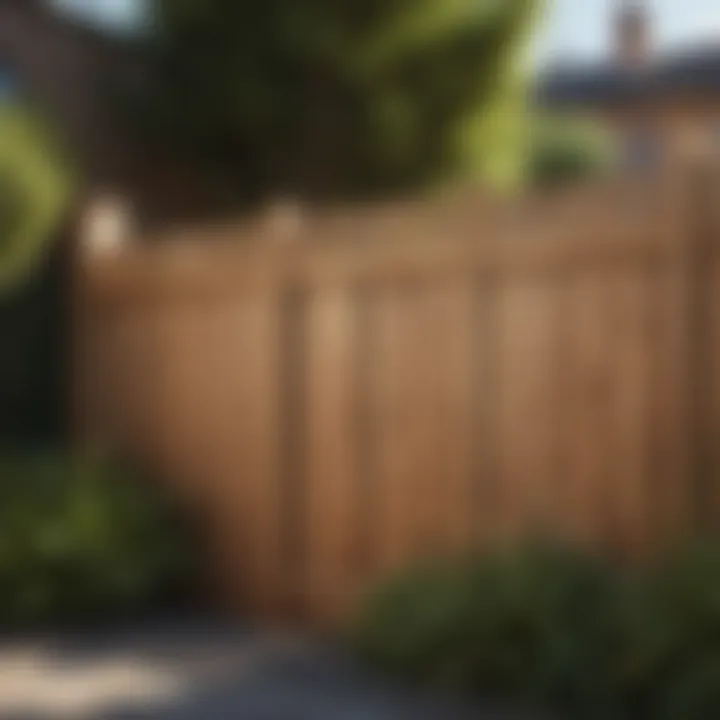
Traditional wooden fences, often viewed as the classic choice for pet owners, present a blend of aesthetic charm and practical functionality.
- Pros: They can complement the look of any property, providing a rustic feel. Moreover, wooden fences can be customized in height and style, making them versatile for any household.
- Cons: On the downside, wooden fences require ongoing maintenance like staining and sealing to prevent decay. Pets with a knack for digging might find a way underneath, while others can lean against them, leading to wear and potential escape.
The choice of wooden fencing often comes down to a balance between aesthetic pleasure and functionality, making it a favored option amongst pet owners desiring a naturally appealing barrier.
Design Considerations
Creating a fence design requires thoughtful planning. The design of a traditional wooden fence can influence not only its appearance but also its functionality for pet safety.
- Key Characteristics: Consideration of the height and spacing of the slats is essential. Dogs that are agile can leap over if the fence is too low, and small breeds might squeeze through if the gaps are too wide.
- Unique Features: Adding additional features like caps can help prevent pets from attempting to jump or climb.
A well-designed wooden fence can become a stunning focal point in your yard, but careful construction is paramount to ensure that it serves its primary purpose effectively.
Metal Fencing Solutions
Material Durability
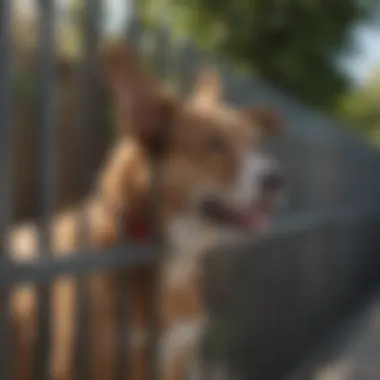
Metal fences might not evoke that warm, homely feeling like wood, but they come packed with durability and strength that is hard to overlook.
- Key Characteristics: Metal, especially wrought iron or aluminum, provides a long-lasting solution that often withstands weathering.
- Unique Features: These materials are resistant to threats like rot and insect damage, affording you a hardy structure that can bear the brunt of nature's tests.
Choosing a durable fencing solution can minimize the long-term costs of repairs or replacements, making metal fences a popular choice among practical homeowners.
Style Variations
Metal fencing doesn't just have to be functional; it can also be stylish. Different styles can suit various home aesthetics while ensuring your pets remain safe.
- Key Characteristics: Choices range from ornate designs that mirror the intricate work of craftsmen to sleek and modern panels.
- Unique Features: Options also allow for decorative elements that can enhance your yard’s visual appeal, providing security without sacrificing style.
The ability to mix function with aesthetic attribute is what often draws homeowners to consider metal fencing solutions in blending safety with grandeur.
Vinyl Fences
Maintenance Benefits
Vinyl fencing has won over many homeowners as a low-maintenance substitute for wood and metal.
- Key Characteristics: Unlike wooden fences, vinyl does not require painting or staining. A simple wash with soap and water does the trick, allowing pet owners to spend more time enjoying their pets rather than working on upkeep.
- Unique Features: Moreover, vinyl fencing is designed to resist fading and wear, ensuring a sustained aesthetic appeal.
The maintenance benefits of vinyl fencing make it an attractive option, particularly for house owners looking for long-lasting solutions with minimal effort involved.
Cost Considerations
While the initial investment might be higher for vinyl compared to wood, it’s essential to analyze the full scope of costs.
- Key Characteristics: A slightly steeper setup cost pays off over time due to lower ongoing maintenance.
- Unique Features: Additionally, the durability of vinyl means fewer repairs over its lifespan, collectively saving you money down the line.
Homeowners often find that investing in vinyl fencing is financially savvy when factoring in the costs associated with repairs or replacements in the long run.
Invisible or Electric Fences
Functionality Overview
As technology progresses, invisible or electric fences have become an intriguing alternative, particularly for homeowners who prefer not to obstruct views.
- Key Characteristics: These systems use a boundary buried underground that emits a signal, alerting pets with a mild shock should they stray too far.
- Unique Features: They provide a way to maintain an open aesthetic while still giving pets a defined area to roam.
The functionality of invisible or electric fences offers an edge in terms of lightening the visual clutter of a yard while maintaining a secure environment.
Behavioral Considerations
Installing an invisible fence calls for an understanding of your pet's behavior.
- Key Characteristics: Some dogs may adapt well to the training das required, while others might show anxiety or defiance regarding the correction method.
- Unique Features: Behavioral training is needed to ensure your pet understands the boundaries, which may take time and patience from the owner.
The effectiveness of an invisible fence often relies heavily on how well the owner is prepared to handle their pet's behavioral cues and response to the system.
Garden Fencing Solutions
Types of Gates
Another essential aspect of fencing is the types of gates you might select. Your fence is only as safe as its entry point.
- Key Characteristics: Gates need to be solidly built, with secure locking mechanisms to keep pets from escaping.
- Unique Features: Features such as self-closing hinges or latches can provide added safety, preventing accidental openings.
Choosing the right type of gate solidifies the overall effectiveness of your fencing as a protective measure for your beloved pets.
Height and Thickness Recommendations
The practicality of the fence, including height and thickness, is a significant consideration in the plan.
- Key Characteristics: For large or jumpy breeds, a height of at least six feet is generally recommended. Smaller pets may not need as much height, but gaps must still be minimized regardless.
- Unique Features: Thickness also matters; a thicker fence might withstand external pressures from larger animals better than a flimsy alternative.
Certian species are quite adept at jumping or burrowing, thus giving careful thought to both the height and thickness can greatly increase the safety of your yard.
By understanding the various types of pet safe fences available, you can better determine which one aligns with your preferences and your pet’s needs, ensuring their safety while also considering the overall aesthetics of your property.
Assessing Your Pet's Behavior
Understanding your pet's behavior is crucial when setting up a safe environment for them. Just as you wouldn’t build a house without knowing the climate or location, a pet owner shouldn't install a fence without considering how their pet interacts with their surroundings. For instance, some pets are natural explorers, while others prefer to lounge quietly at home. Recognizing these traits helps ensure that the design of the fence suits their specific needs. This mindful approach can save countless headaches down the line.
Identifying Escape Tendencies
Every pet owner has experienced that moment of panicked realization when their beloved animal has gone astray. Identifying your pet's escape tendencies can be the key to preventing such situations. Some dogs, for example, might become escape artists when they hear enticing sounds from beyond your yard. They could also be motivated by scents wafting in from the street or nearby pets. A fence that might appear impenetrable to you could be a simple challenge for your frisky friend.
Here are a few signs that your pet might be prone to escape:
- Digging: Some pups enjoy digging under fences. Monitoring areas where they exhibit this behavior can be illuminating.
- Jumping: If your dog frequently jumps over furniture or has been known to leap into your neighbor's yard, a higher fence might be necessary.
- Anxiety: Pets that show signs of anxiety when they are alone might be more likely to find a way out. Keeping an eye on their behavior can give you clues.

Take notes on your pet's habits for a week or so. This simple observation period can be revealing. It’s also a good idea to consider the environment around the property. Are there trees or fences nearby that they could use to boost themselves up? The better you understand these tendencies, the more effectively you can secure the space.
Understanding Territorial Behavior
Territorial behaviors can also play a role in your pet's reaction to boundaries. Many animals will instinctively protect what they perceive as their turf. They may bark at strangers or chase after anything that crosses into their perceived territory. Knowing how your pet reacts to the world beyond your fence is fundamental.
Consider this:
- Dogs are generally more territorial than cats, but every animal is different. Observe how your pet interacts with other animals or humans when out on walks or in your yard. Do they bark aggressively or quietly observe?
- Assess how your pet behaves when it comes to the mailman, delivery drivers, or even neighborhood cats. This behavior can inform your fencing decisions. A traditional wooden fence might offer enough of a barrier for some breeds, while more visual dogs may need a solid structure that minimizes distractions.
- Taking these extra steps not only enriches your own understanding but also promotes a better relationship between your pet and the environment.
In summary, assessing your pet's behavior is an integral part of creating an effective pet-safe fence. Whether it’s escape tendencies or territorial instincts, knowing how your four-legged companion interacts with their surroundings can guide you in making the right choices. Take the time to scrutinize these facets of your pet’s personality, and you’ll be better equipped to create a safe haven for them.
Installation Techniques
Setting up a pet safe fence goes far beyond just slapping up some boards and calling it a day. The installation techniques play a pivotal role in ensuring not only the security of a pet's environment but also the longevity of the fence itself. This stage is crucial because it lays the groundwork for stability and durability. It’s like baking a cake; skip the right steps and the whole thing could crumble.
Preparing the Site
Clearing the Area
Clearing the area is that oft-overlooked step that can significantly influence the entire installation process. This involves removing any debris, rocks, or plants that could obstruct or complicate the installation. The key characteristic of clearing the area is the thoroughness it demands. Some might see it as a mundane task, but this groundwork is foundational. It ensures the ground is level and devoid of anything that might undermine the integrity of the fence.
A unique feature of this phase is that it allows for proper planning of the layout. When the site is clear, you can observe the natural boundaries of your property, which aids in visualizing how the fence will fit into its surroundings. This aspect is beneficial because it not only prevents potential hiccups later but also gives room for better aesthetics. No one wants a fence that looks haphazard or out of place, after all.
Measuring for Accuracy
The importance of measuring for accuracy can’t be overstated. This step is like checking your ingredients before cooking. If you don’t get this part right, you might find yourself with a fence that’s crooked or one that doesn’t adequately cover the desired area. A good measurement ensures that every panel fits snugly, leading to a stable and secure enclosure.
A key characteristic of accurately measuring is the use of tools; a simple tape measure becomes indispensable here. This makes it a popular choice, as accurate measurements can save a lot of time and headaches in the installation phase. One unique feature of this step is that it often requires not just physical measurement but also a keen eye—understanding sightlines, property lines, and how the fence will interact with existing structures. If done right, it can boost the overall strength and appearance of the installed fence.
Step-by-Step Installation Process
Post Placement
When it comes to installing a pet safe fence, post placement is integral to the structure's stability. This step lays the foundational elements where each post acts as a sort of anchor for the fence panels. The key characteristic of post placement is ensuring the correct depth and spacing between posts. Many people find it practical to use concrete to secure the posts, significantly enhancing their durability against various weather elements.
What sets this stage apart from others is its potential to affect the fence's aesthetics. Properly spaced posts create a clean and organized look for your wall, which is essential for those who want their yard to look its best. However, if not placed correctly, it can lead to a shaky fence that may fail under pressure—be it from wind, your pet's antics, or anything else.
Panel Attachment Techniques
Panel attachment techniques are equally important since they determine how well the panels stay in place over time. There are various methods available, from screws to brackets, but the goal is always the same: solid attachment that withstands the test of time. The key characteristic here is the choice of materials; whether you go for treated wood or heavy-duty metal can greatly influence longevity and resilience.
This stage also stands out due to its immediacy in appearance. Secure, well-attached panels lend a sleek look to the entire setup, making it visually appealing while serving the functional purpose of keeping pets contained. Yet, the downside is that improper attachment can lead to sagging or gaps, which could defeat the purpose of having a pet-safe fence in the first place.
Safety Considerations During Installation
When laying down a fence, safety during the installation should never be an afterthought. From using the right tools to ensuring kids or pets are not roaming freely in the area, it is imperative to put precautions in place. This could mean wearing gloves when handling sharp materials or ensuring that no loose cables are lying around. It may feel tedious to plan for safety, but it pays off immensely in knowing that everyone involved is protected during the setup process.
Proper training on equipment can also safeguard against accidents, ensuring that the tools meant to establish a safe environment don’t become threats themselves.
Post-Installation Adjustments
Setting up a pet safe fence isn't just a one-and-done activity. Once the fence is installed, it’s time for the critical phase of post-installation adjustments. These steps play a significant role in ensuring that both the practical and emotional needs of your pet are met in their new space.
Evaluating the Initial Setup
After the installation, the first order of business is to evaluate how well the fence performs and whether it meets the safety requirements initially intended. Walk around the entire perimeter to check for gaps, inconsistencies, or weak spots that could potentially allow your pet to escape. Pay close attention to areas such as corners and gates, as these are often the weakest links in any fencing system.
For instance, if you’ve opted for a traditional wooden fence, inspect the slats to ensure that they are tightly attached. Loose boards can easily become an escape route. Here are some points to consider during your evaluation:
- Check for sturdy attachment of panels or panels remaining flush against the ground.
- Look for reflections of light or glaring shadows that could scare your pets.
- Assess if the height is appropriate for your specific breed, as some animals are talented jumpers.
Maintaining a keen eye during this evaluation period ensures that any potential issues are nipped in the bud. Addressing problems early not only extends the life of your fence but also prevents the stress of searching for a missing pet.
Adjusting for Behavioral Reactions
Every pet is unique, and their reactions to a new environment can vary significantly. It’s crucial to pay attention to any behavioral shifts that occur after the installation of your fence. Animals may perceive their surroundings differently, particularly if they feel confined or insecure in a new space.
For example, a dog might bark excessively at neighbors or seem anxious while adjusting to the enclosed area. In this case, consider several strategies:
- Create a Comfort Zone: Place familiar items like their favorite bed or toys inside the fence. This can help them feel safe and secure.
- Regular Interaction: Spend time with your pet in the fenced area, reinforcing that this is their space to enjoy. Letting them roam under supervision can build their confidence.
- Gradual Introduction: If your pet is uneasy, make the introduction gradual. Start by allowing them short periods inside the fenced area, gradually increasing the time as they become more comfortable.
"Taking the time to adjust the fence setup based on your pet's reactions is just as vital as the installation itself" - a sagacious pet owner.
In summary, post-installation adjustments focus on evaluating the fence to ensure it stands firm against escapes while adjusting the environment based on your pet’s behavior. Knowing how to navigate this phase is an integral part of the entire fencing process, laying the foundation for an easier and safer transition for your furry friends.
Maintenance of Pet Safe Fences
Keeping a pet safe fence in top-notch condition isn't just a matter of aesthetics; it's a crucial part of providing a secure environment for your beloved animals. With each passing season, factors like weather, wear and tear, and even your pet’s playful antics can take a toll on the structure. Regular maintenance ensures that your fence remains effective and visually pleasing. Without it, you risk compromising your pets’ safety and possibly even your property values.
Periodic Inspections


Routine inspections give you a clear picture of the state of your fence. This proactive approach can prevent issues before they escalate into serious problems. Here’s how you can make inspections a breeze:
Identifying Wear and Tear
Spotting wear and tear early is like finding a needle in the haystack, but it's often the most telling sign of your fence's health. Look for things like rust on metal fences, wood rot, or loose panels. Identifying these issues quickly can help you maintain integrity of the fence structure. When you discover such signs, it's like hitting the brakes before a minor fender bender turns into a highway pile-up.
A key characteristic of identifying wear and tear is its preventive nature. By catching problems early, you save yourself from costly repairs down the line, making it a popular choice among vigilant pet owners. The unique feature here is that it empowers you to act promptly rather than react hastily, ultimately leading to a more stable and resilient fencing solution.
Fixing Minor Issues Promptly
Addressing minor issues as soon as they surface can save you a heap of trouble later on. If you spot a loose fence panel, tighten or replace it before Fluffy decides to test her escape skills. Quick fixes contribute to the overall goal of maintaining a secure and reliable fence, securing your pets within its confines.
The key characteristic of fixing minor issues promptly is that it promotes a culture of care and attentiveness. It’s easy to overlook small inconveniences, but recognizing their importance shows dedication to your pets’ safety. The unique feature of addressing such problems can be tied back to the idea of building trust with your pets; maintaining their habitat can make them feel safe and secure, easing their anxiety.
Cleaning and Upkeep Considerations
Keeping your fence clean looks good and functions well, too. Regularly washing away dirt and debris not only enhances aesthetics but also prevents staining and deterioration. Consider using a mild, pet-safe cleaner if you go for a deeper clean, especially on wooden or vinyl fences.
Moreover, check if your plants and shrubbery need any trimming, ensuring nothing overgrows and compromises the fence's standing. Keeping an eye on how wildflowers and grass encroach upon your fence can prevent structural issues in the future.
"An ounce of prevention is worth a pound of cure"—this old adage rings especially true when it comes to maintaining pet safe fences. By staying on top of these tasks, you're not just saving money but also fostering peace of mind.
In summary, maintaining your pet safe fence through periodic inspections, prompt repairs, and regular clean-ups is essential. Doing so ensures your pets remain safe while allowing you to maintain the beauty and integrity of your surroundings. Equip yourself with these practices and watch as your hard work pays off in the long run.
Aesthetic Considerations in Fence Design
When it comes to setting up a pet safe fence, aesthetics shouldn't take a backseat to functionality. A well-designed fence can enhance the overall beauty of your property while providing the necessary security for your furry friends. Investing in aesthetics takes into account how your chosen fence integrates with the existing landscape, the architectural style of your home, and even the psychological comfort of your pets.
Blending with Landscape
To successfully blend a fence with your landscape, it’s crucial to look at your yard holistically. The right fence should complement surrounding trees, shrubs, and other features. For instance, a natural wooden fence may suit a garden full of flowers and greenery better than a stark metal one. This seamless integration not only preserves the visual flow of the yard but also creates a welcoming atmosphere. Think of your yard as a canvas; each element should harmonize rather than clash.
You can approach the blending from several angles:
- Material Choice: Use materials that reflect the textures found in your environment. A rustic wood may fit in well with a country-style garden, while a sleek aluminum might be better for modern aesthetics.
- Color Coordination: Consider painting your fence a color that matches or complements your home’s exterior. Soft earth tones usually blend well with nature, while vibrant colors can add a bit of personality.
- Height and Spacing: A higher fence may loom over smaller plants, creating a feeling of confinement. A lower fence allows for an open feel, ideal for small yards. Design should account for how light and visibility play into the overall ambiance.
Creating Visual Appeal
Visual appeal goes beyond mere aesthetics. A well-designed fence can serve as a statement piece for your property. When people pass by, their first impression often comes from how a fence frames the home. Consider this a primary feature of curb appeal.
Here are some strategies to elevate the visual impact of your fence:
- Incorporate Decorative Elements: This can include wrought iron accents, decorative finials, or lattice designs. These details create interest, helping your fence stand out in the most appealing way.
- Use Planters: Attaching planters along the fence adds greenery and can soften the hard lines of the fencing material while drawing the eye to your designs.
- Lighting Integration: Installing fence post lights or string lights can not only enhance safety at night but also add charm. A well-lit fence creates an inviting atmosphere that is welcoming for both pets and humans alike.
Remember that a fence should not only border your property but become part of the aesthetic experience of your home. Ensuring that it reflects your personal style as well as serves the functional needs of pet containment can lead to a truly harmonious outdoor space.
"A harmonious outdoor space reflects the balance between beauty and function. The aesthetic impact of your fence can define not just your yard but your entire home experience."
In the grand scheme of setting up a pet safe fence, considering aesthetics plays a significant role in the overall satisfaction and effectiveness of the installation. A fence that harmonizes with the environment and adds visual allure can transform mundane boundaries into an exceptional outdoor living space.
Legal and Regulatory Considerations
Establishing a pet safe fence is not just about choosing the best materials and installation techniques; it also involves navigating the legal landscape that governs property boundaries and constructions. Understanding local zoning laws and permitting requirements ensures that your efforts to create a secure environment for your pets are compliant and trouble-free. Ignoring these regulations can lead to fines or disputes with neighbors, which may add unnecessary complications to an otherwise straightforward project.
Understanding Local Zoning Laws
Local zoning laws play a significant role in how you can set up your pet safe fence. Each municipality sets these rules to maintain order and safety within neighborhoods. They dictate fence heights, materials, and even where you can place the fence on your property.
Every area has its own regulations, and they can vary greatly from one town to the next. For instance, some places may allow a six-foot wooden fence, while others may cap height at four feet. Before committing to a fence style or height, it’s essential to consult your local zoning office or their website. Many municipalities even provide a zoning map to help homeowners understand their options better.
Here's a quick checklist to ensure compliance with local zoning laws:
- Check Height Restrictions: Know the maximum height allowed for fences in your zoning area.
- Review Property Setbacks: Some areas require fences to be a certain distance from property lines.
- Material Regulations: Be aware of any restrictions on the types of material you can use.
- Neighbor Considerations: Check if your city mandates notifying neighbors about fence installations that may affect them.
"Navigating local zoning laws prevents future disputes and gives you peace of mind that you are acting within your rights as a property owner."
Permitting Requirements
Once you’ve understood your local zoning laws, the next step is to get familiar with permitting requirements. In many cases, installing a fence can require a permit, depending on factors like height, type, and location. A permit is typically a way for local authorities to keep track of construction projects, ensuring they’re safe and compliant.
Obtaining a permit often involves filling out specific forms and paying a fee. The application may ask for details such as:
- Project Description: What kind of fence you’re building and its purpose.
- Plans/Layout: A simple sketch showing where the fence will go on your property.
- Compliance Assurance: Confirmation that you have checked zoning laws and property lines.
Be aware that failing to obtain a permit can result in hefty fines or even being mandated to dismantle the installation. In some cases, neighborhoods have homeowners’ associations that also have their own set of guidelines around fencing, which may require additional approval. Before committing your time and resources to this project, it is wise to factor in these elements.
In summary, both local zoning laws and permitting requirements are crucial aspects to consider when setting up a pet safe fence. Tackling these areas thoroughly can save you from potential headaches down the line. Following the right procedures not only keeps you on the right side of the law but also ensures that your pets can roam safely within a well-defined boundary.
End
As we wrap this comprehensive guide up, it’s essential to revisit the pillar ideas we discussed. The essence of establishing a pet-safe fence is not only about demarcating boundaries but crafting a secure haven for your furry companions. A well-planned and maintained fence ensures that pets can frolic freely while keeping dangers at bay.
Recap of Key Points
- Understanding Your Pet’s Behavior: Before diving into any fencing options, take time to get to know your pet’s tendencies. Do they have a knack for digging under or jumping over fences? This knowledge will help guide your decision.
- Choosing the Right Type of Fence: There's no one-size-fits-all, whether it be wood, vinyl, or invisible fencing. Each type presents its own benefits and drawbacks based on your specific needs and your pet’s behavior.
- Installation and Maintenance: It's not just about erecting a barrier. Proper installation is a must to ensure that your fence stands strong against both time and your eager pets. Regular maintenance checks can catch wear and tear early on, keeping the fence effective.
- Aesthetic and Legal Considerations: Always balance functionality with visual appeal. A well designed fence that blends into the landscape can have the added benefit of adhering to local zoning laws and permits to avoid future headaches.
Final Thoughts on Pet Safety
Pet safety should never be an afterthought. Investing time and effort into creating a secure and enjoyable environment protects your pets and grants you peace of mind. Think of your pet-safe fence as a lifelong commitment; it’s a sanctuary for their playtime, a shield against the world, and often, a statement of your care as a responsible pet owner. The key elements of understanding your pet, making informed choices, and regular maintenance creates a cycle of safety, comfort, and happiness. A little foresight can go a long way in ensuring your pets live their best lives.