A Comprehensive Guide to Framing Nail Types
Intro
When it comes to home building and improvements, the types of materials we use can make a world of difference. A very pivotal element in any framing project, whether it’s a new house or just a simple garden shed, is the type of framing nail selected. Why does this matter? It’s simple: the wrong nail can lead to structural failure. This woodworking staple plays a crucial role in the integrity of a project.
Framing nails are designed specifically for tough jobs, giving them superior holding power and resistance to pull-out. The subtle variations in nail type—material, length, and head style—have a direct impact on the project at hand.
Understanding these nuances not only helps in making the right choice but also ensures the longevity of constructions. The stakes are high in the home improvement trade, where safety is paramount and quality often sets a project apart. Many homeowners and DIY enthusiasts find themselves standing in a hardware aisle, overwhelmed with options. An in-depth knowledge about framing nails fosters confidence and clarity when selecting the perfect product for any endeavor.
Overview of Framing Nails
Framing nails play a pivotal role in construction projects. They’re not just simple fasteners; they serve as the backbone of wooden structures, providing stability and strength where it’s needed most. Understanding what framing nails are and their specific uses can significantly affect the outcome of any building endeavor.
Definition and Purpose
Framing nails are specialized fasteners used to join wooden pieces together, primarily in construction activities such as framing walls or flooring. They are typically thicker and longer than standard nails, which allows them to penetrate the wood and embed securely for maximum holding power.
The main purpose of these nails is to create durable connections in structural framing. Their design ensures they can withstand the stresses associated with various loads, making them an essential component in ensuring the integrity of a construction project. Choosing the right framing nail isn’t just about preference; it’s about securing a safe and lasting structure.
Importance in Construction
In the realm of construction, the importance of framing nails can’t be overstated. They are foundational to the very structure that keeps our homes standing strong. Poor nail choices can lead to failures that not only affect the framework but can also have dire consequences for overall safety.
Here are a few reasons why understanding framing nails is crucial for any construction endeavor:
- Structural Integrity: The right type of nail ensures that the beams and studs remain intact under heavy loads.
- Prevention of Damage: Properly selected nails help in preventing cracking or splitting of wood, which could compromise the entire structure.
- Longevity: Using the appropriate material and type for your framing nails increases the life expectancy of a building.
- Cost-Effectiveness: Ironically, spending a bit more on quality nails can save money in the long run by avoiding costly repairs down the line due to failures.
"A chain is only as strong as its weakest link," and in a construction project, nails are often those links.
Types of Framing Nails
Understanding the various types of framing nails available opens up a world of options for anyone involved in construction or home improvement projects. Each nail type plays a crucial role, so knowing the characteristics, benefits, and considerations associated with them can greatly influence the outcomes of your projects.
Common Materials Used
Steel
Steel nails are like the workhorses of framing. Their strength is unmatched, making them a go-to choice for many builders. Being affordable, they provide excellent holding power, ensuring that structures remain secured under various conditions. One noteworthy feature of steel nails is their ability to penetrate thick materials without bending.
However, on the flip side, steel is susceptible to rust when exposed to moisture. So, if you’re working in a damp area or outdoors, that’s something to keep in mind.
Galvanized Steel
Here’s where galvanized steel comes into play. These nails are coated in a layer of zinc, which gives them superior protection against rust and corrosion. This makes them particularly suitable for outdoor projects where moisture is a concern.
A unique feature of galvanized steel nails is their longevity. They can withstand harsher environmental conditions without deteriorating quickly. Still, it’s worth noting that the coating can sometimes be stripped away if not handled properly, which may expose the underlying steel to potential rusting.
Stainless Steel
If you’re looking for durability, stainless steel nails are at the top of the game. Known for their resistance to tarnish, rust, and corrosion, they are ideal for areas with high humidity or exposure to saltwater, like coastal regions. Their main appeal lies in their lastingness, meaning you won’t have to worry about replacements anytime soon.
On the downside, the cost can be a bit on the steep side. Stainless steel nails may not fit every budget, but many would argue what you invest here is saved in longevity.
Aluminum
Lightweight and corrosion-resistant, aluminum nails are yet another type you might consider for specific projects. They are most commonly used for projects requiring lightweight materials. One key feature is their ability to resist rust without requiring a special coating.
That said, they may not catch the eye for heavier duties since their holding power isn’t as impressive as steel. For projects that require a more delicate touch, though, aluminum nails can be a solid choice.
Different Sizes Explained
Standard Lengths

When it comes to framing nails, length is everything. Standard lengths can range typically from 1.5 to 6 inches. Using the correct length is vital to ensure proper penetration and holding power.
Longer nails often provide more grip, particularly for framing walls where thickness is involved. But, going too long can have its drawbacks. There’s always the risk of splitting the wood, which could pose a problem during installation.
Diameter Considerations
The diameter of nails matters just as much as their length. Wider nails can hold more firmly, which makes them a popular choice for heavier materials. However, larger diameters can sometimes leave bigger holes, which may weaken the structural integrity in certain situations.
Thus, understanding the diameter relative to the material you're working with is crucial. Finding that sweet balance ensures you get both the strength and minimal damage you’d want in your projects.
Design Variants
Common Nail Heads
The head of the nail is another area where choices can affect performance. Common options include flat heads, which sit flush with the surface, and round heads, which provide a bit more grip.
Utilizing the right nail head design can improve the aesthetic finish of a project while also ensuring that repairs and removals are simpler without damaging the surrounding wood.
Collated vs. Non-Collated
Nail guns often use collated nails, which are attached together on strips or coils for easy loading. They make the nailing process fast and efficient. Non-collated nails, on the other hand, are individual, making them versatile for a variety of tools. While collated nails promote speed, non-collated nails give more flexibility for different applications.
Spiral Shank vs. Smooth Shank
Spiral shank nails have a twisted design, offering increased grip due to their unique pattern. This adds to their holding power in framing structures. Smooth shank nails, however, are easier to drive into the material but may not grip as strongly. Choosing between these two often comes down to your specific project requirements and the materials utilized.
Choosing the Right Framing Nail
Selecting the appropriate framing nail is no trivial matter. It can dramatically influence the structural integrity of various projects, from building a sturdy frame to hanging heavy objects. Going with the right choice often means factoring in characteristics like material, size, and design, which leads to lasting benefits in construction. Whether you’re a weekend warrior or a seasoned contractor, making informed decisions can enhance not only the quality of your work but also your efficiency on the job.
Project-Specific Requirements
Wood vs. Metal Framing
When it comes to framing, understanding the difference between wood and metal is key. Wood framing is a classic method that embodies strength and flexibility. The ability to easily work with and modify wooden structures makes it a popular choice for many residential projects. One significant advantage of using wooden framing is its excellent insulation properties, helping to maintain a comfortable indoor environment.
On the flip side, metal framing provides remarkable durability and fire resistance, making it an attractive option for more industrial or high-rise applications. Its unique lightweight characteristic also contributes to faster installations, although it can be more challenging to work with due to its rigidity. In essence, your choice between wood and metal will depend on the project goals and desired advantages each material offers.
Outdoor vs. Indoor Applications
Distinguishing between outdoor and indoor applications is vital for ensuring the longevity of the project. Outdoor environments typically expose materials to the elements, from harsh sun to unpredictable rain. Here, the importance of selecting nails with superior moisture resistance and corrosion protection cannot be overstated. Using the right framing nails designed for outdoor use, like galvanized options, will mean that your hard work won't fall victim to rust and decay over time.
On the other hand, indoor applications may not require such high levels of resistance, allowing you to opt for standard framing nails. Yet, indoor projects can still benefit from careful material selection, particularly when moisture levels vary. Ultimately, the unique demands of either scenario contribute to overall project performance.
Tool Compatibility
Nail Guns
Utilizing nail guns can revolutionize your approach to framing. They deliver remarkable speed and efficiency that a traditional hammer simply can’t match. Nail guns use a force mechanism—whether pneumatic or electric—that drives nails into wood or metal, ensuring a clean finish every time. This feature, combined with the capability to adjust depth control for different materials, makes nail guns a beneficial choice for large-scale projects. However, investing in a good nail gun and getting accustomed to it takes time and effort.
Hammer Compatibility
It’s also important to consider using a hammer, especially for smaller tasks. While not as fast as nail guns, a good hammer can offer precision and a sense of control in each swing. Using nails that are designed for hand-driven applications allows for ease of maneuvering in tight spaces. However, one must handle this method with care because improper striking can lead to bent nails, which can compromise the integrity of the overall project.
Environmental Considerations
Moisture Resistance
In any framing project—be it a sunroom or a bathroom—moisture resistance plays a critical role. Nails equipped with moisture-resistant coatings are essential when considering the longevity of any construction. Not only do they prevent rust, but they also provide a safeguard against structural failure caused by rot. This key characteristic makes selecting the right nails a strategic move that pays off in the long run.
Chemical Exposure


In areas where chemicals are pervasive, like industrial sites or locations near swimming pools, understanding how chemical exposure affects framing nails becomes essential. Certain coatings are designed to withstand chemical exposure far better than others. This consideration helps to maintain structural integrity even under challenging conditions, ensuring that your projects stand the test of time.
Performance Factors
When it comes to choosing the right framing nails, understanding their performance factors is crucial. Performance factors encompass several elements that influence how well a nail will function in specific applications. For housewives planning a home project or homeowners tackling repairs, knowing details about holding power, durability, and corrosion resistance can make or break the integrity of your build. These characteristics not only impact the day-to-day functionality but also the longevity and safety of the structures you’re dealing with.
Holding Power
Holding power refers to a nail's ability to stay in place once it is driven into the material. It’s important for any framing project because weak holding power can lead to joints loosening, which can compromise the whole structure. For example, when you use a nail with poor holding power to fasten wooden beams, it may not grip tightly enough, leading to movement and squeaks down the road.
Factors that affect holding power include:
- Material Strength: Nails made from high-grade steel tend to offer better holding capabilities.
- Length and Diameter: A longer nail or one with a larger diameter generally provides more holding power.
- Nail Head Design: Framing nails with a textured head offer better grip compared to smooth heads.
In short, when tackling your next home project, choose nails that boast impressive holding power. You wouldn’t want all your hard work to go down the drain just because of a weak fastener.
Durability and Longevity
Durability and longevity are terms not just suited for the nails themselves but extend to the overall structure that gets built. You want to ensure that the nails you select are made to withstand the test of time, resisting issues caused by prolonged exposure to various conditions.
- Material Quality: Steel nails often outlast softer metals. For instance, while aluminum might work fine inside, using it outside where moisture is present could lead to deterioration.
- Impacts of Environment: Using high-durability nails in outdoor settings can yield results that last decades. Conversely, using lesser-quality nails may result in premature failure.
Given that durable nails effectively contribute to the longevity of your construction, taking the time to select the right finish and material can save you from future headaches—like the time a neighbor had to reframe an entire addition to her house because she skimped on nail quality!
"Good framing nails can prevent the need for repairs down the line, letting you enjoy your space without worries."
Resistance to Corrosion
Corrosion can be a real sneaky enemy to any structure. Nails that rust can weaken the joints they were intended to secure. It is essential to consider the environment where the framing will occur, as this directly impacts the nail's resistance to corrosion.
Look for nails treated or coated for added protection. Common forms of corrosion resistance include:
- Galvanization: Steel nails are often coated with a layer of zinc to fend off rust.
- Stainless Steel: While pricier, stainless steel nails resist corrosion better than most.
- Specialized Coatings: Some brands offer nails with unique polymer coatings to enhance weather resistance.
Innovations in Framing Nails
In the fast-paced world of construction, innovations in framing nails are largely reshaping how builders and DIY enthusiasts approach their projects. As the industry embraces new technologies and materials, these advances bring several benefits that can enhance overall efficiency, safety, and longevity. Understanding these innovations is crucial for anyone looking to choose the appropriate framing nails for their specific requirements.
The evolution of nail coatings and materials leads to improved performance characteristics that can significantly affect the durability of structures. The focus here is on specific elements such as coating technologies and recent material developments. By diving into these topics, readers can grasp how these innovations not only heighten the usability of framing nails but also ensure that projects withstand the test of time.
Coating Technologies
Zinc Coating
Zinc coating is a pivotal element in the advancement of framing nails. This coating allows for a protective layer that wards off corrosion, which is particularly important in projects exposed to moisture. A key characteristic of zinc coating is its ability to create a barrier that minimizes oxidation on the nail's surface, making it a sought-after choice for builders working in areas with high humidity or rainfall.
One unique feature of zinc-coated nails is that the coating can be applied in various thicknesses, which means that builders can prioritize durability based on specific project needs. The advantages of using zinc-coated nails include their cost-effectiveness and availability; however, it’s worth noting that while they resist rust well, they might not be as effective in extremely corrosive environments, such as coastal regions.
Polymer Coating
On the other hand, polymer coating is another compelling innovation in the world of framing nails. This type of coating not only helps protect the nails but also enhances their overall performance. A standout feature of polymer-coated nails is their smooth surface, which reduces friction when driving the nail into the wood or other materials, leading to less splintering—something many contractors truly appreciate.
The advantages of utilizing polymer-coated nails include their resistance to slipping and better overall holding power. These nails also tend to be more resistant to specific chemicals, making them particularly useful in unique applications like the construction of decks or in areas with exposure to certain synthetic substances. Of course, one should consider that polymer coatings can sometimes be more expensive compared to traditional zinc options.
New Material Developments
Hybrid Materials
Emerging hybrid materials have shifted the landscape of framing nails, offering a blend of features that appeal to both construction professionals and home DIYers. Such materials typically combine metal with other substances, resulting in greater strength and flexibility. A key characteristic of hybrid nails is their ability to maintain structural integrity while being lighter, which can ease the workload during installation.
One unique aspect is that hybrid materials can often provide better resistance to bending and shearing forces, making them a beneficial choice in demanding construction scenarios. However, while these hybrids present diverse advantages, the nuances of sourcing and affordability could pose challenges for some users.
Advanced Alloys
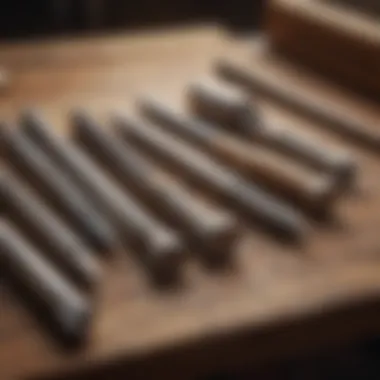
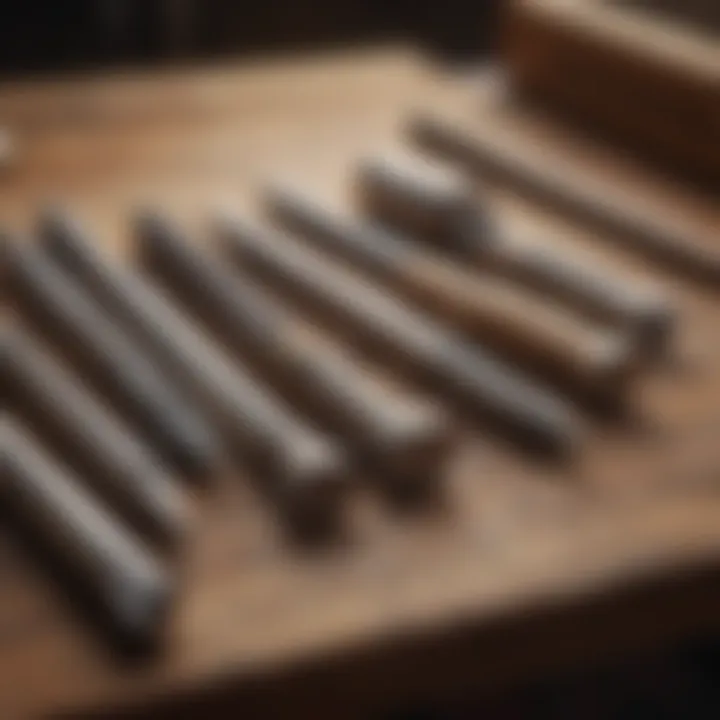
Lastly, advanced alloys are rapidly gaining traction as a cutting-edge choice in the realm of framing nails. This innovation involves new combinations of metals designed to enhance performance, particularly in terms of strength and corrosion resistance. The key characteristic of advanced alloys is their remarkable ability to resist deformation under stress, ensuring that nails stay in place over time.
A unique feature of using advanced alloys is the potential for decreased weight without sacrificing sturdiness, leading to nails that are easier to handle. The advantages of these advanced materials mainly center around their longevity and reliability; however, they can come with a higher price tag, which can impact the overall cost of a project.
In summary, the innovations in framing nails, particularly in coating technologies and material advancements, are redefining the possibilities in construction. Understand these options to make more informed choices for your projects.
Common Misconceptions
Understanding common misconceptions surrounding framing nails is crucial for anyone involved in construction projects. These myths can steer individuals away from making the best choices and also lead to unnecessary costs in materials and labor. This section aims to debunk these fallacies, offering clarity and insight to help both novices and seasoned professionals make informed decisions.
Myth vs. Reality
Size Matters
When it comes to framing nails, size often leads to confusion. Many folks believe that the bigger the nail, the stronger the hold. While it’s true that longer nails can anchor more effectively, they might not always be the ideal choice. The general perception is that larger nails offer added security, which could be a misconception in certain contexts.
In reality, the key characteristic of framing nail size is its compatibility with the material being used, rather than simply its length or gauge. For instance, using an excessively long nail in thin plywood can lead to splitting, which is counterproductive.
A beneficial aspect of sizing properly is that it allows flexibility in various types of structures, ensuring that holding power is maximized without compromising the integrity of the materials. One unique feature about the appropriate size of nails is that it strikes a balance between strength and precision. Too long, and you risk damaging your work, but too short, and you negate the advantages they offer.
Material Overkill
Another prevalent myth is that opting for the toughest materials for framing nails is always a smarter choice. This leads many to assume that using galvanized steel nails for every project is necessary. However, this idea lands in the territory of material overkill.
The key characteristic of material selection specific to framing nails involves understanding the project conditions. Not every situation demands corrosive resistance; for example, indoor framing often doesn't expose nails to high humidity levels or harsh chemicals. Thus, using basic steel nails can perform adequately without the unnecessary expense associated with more resilient materials.
While some enthusiasts may tout hybrid materials or advanced alloys as being superior across-the-board, it’s vital to assess the unique requirements of the project at hand. A unique feature of not over-designing your nail choice is the potential for cost savings while still ensuring structural integrity. However, if misapplied, one could face leakage issues, rust, or other complications down the line.
Safety Considerations
When dealing with framing nails, safety should be front and center. The act of using nails may seem straightforward, but each stage requires attention to safety protocols to avoid accidents. Proper handling and storage methods are not just good practices; they’re essential for ensuring a smooth project without unintended mishaps.
Handling Precautions
Handling framing nails requires a delicate touch and a keen awareness of potential hazards. Here are key handling tips:
- Wear Protective Gear: Always don a pair of safety goggles and gloves. This minimizes risks like eye injuries from flying debris and the potential for punctures from sharp nails.
- Create a Clear Work Area: A cluttered space can lead to accidents. Keep your area organized, ensuring all tools and materials are stored correctly when not in use.
- Use the Right Tools: It’s crucial to match your nails with the correct tools, like nail guns or hammers. Misalignment can cause the nail to ricochet or jam, leading to injuries. Always refer to the manufacturer’s instructions before operation.
- Mind Your Fingers: When hand nailing, be extra cautious. Avoid placing your fingers too close to where the nail will enter the material. It’s better to miss the spot than to risk hitting your hand by accident.
"Many accidents occur simply due to preventable tasks being rushed. Slow down and be mindful!"
Storage and Disposal
Proper storage and disposal of framing nails are equally important to ensure safety in your workspace. Neglecting this can pose long-term risks:
- Keep Out of Reach: Store nails in a secure container away from children and pets. A locked storage box or a high shelf can keep them safely tucked away.
- Use Original Packaging: If possible, keep nails in their original packaging until use. This not only protects them from moisture and rust but also keeps them organized.
- Dispose of Damaged Nails: Any bent or defective nails should be disposed of immediately. Not only do they not perform well, but they can also pose a sharp hazard when reaching into a toolbox or mixing them with usable materials.
- Follow Local Regulations: When discarding nails, always check local regulations for disposal of construction refuse. This ensures compliance with safety standards, particularly if you're dealing with treated or coated nails that might require special handling.
By adhering to these safety considerations, homeowners and DIY enthusiasts can mitigate risks, creating a safer environment for both themselves and others in a project setting. The right mindset towards safety means smoother project execution and a greater sense of satisfaction when enjoying the results.
Closure
In wrapping up this exploration of framing nail types, it’s essential to recognize that the choice of nail goes beyond just a simple selection. Different types of framing nails cater to various needs in construction, and understanding these requirements not only aids in achieving better results but also enhances safety and durability over time.
Summarizing Key Points
Throughout the article, we have delved into several important aspects:
- Materials: The various materials available—from galvanized steel to aluminum—each offer specific performance benefits depending on the application.
- Sizes and Design: Choosing the right size and design variant is crucial to ensure stability, particularly in structures that bear a load.
- Common Misconceptions: Addressing myths helps in making well-informed decisions that align with best practices, rather than relying on outdated or incorrect information.
- Safety and Handling: Proper handling and storage of nails mitigate risks associated with injuries or accidents on site, demonstrating the importance of safety protocols.
- Innovations: Understanding new developments in framing nails can lead to enhanced efficiency and performance in various building projects.
These factors, when taken into account, contribute to a successful and efficient building process—whether for a DIY enthusiast tackling a home improvement project or professional contractors managing large-scale construction work.
Future Trends in Framing Nails
Looking ahead, several trends are emerging in the realm of framing nails:
- Sustainability: Increasing awareness around environmentally friendly materials may lead to the use of recycled or sustainably sourced materials in nail production.
- Smart Technologies: As construction evolves, there might be incorporation of technology—like moisture sensors—that could allow for intelligent framing solutions, providing real-time data on the structural integrity of projects.
- Specialized Coatings: Ongoing advancements in coating technologies promise enhanced moisture resistance and longevity, which will be particularly beneficial for outdoor applications.
In the window of opportunity that presents itself with these advancements, professionals must remain adaptable, continuously updating their knowledge and practices to keep pace with innovations in framing nails and overall construction techniques.