
Unveiling the Significance of Troy-Bilt Blade Belt in Lawn Care Practices
Overview of Topic
In the realm of home improvement industry, the Troy-Bilt blade belt plays a crucial role in maintaining lawn equipment for optimal performance and efficiency. This component is essential for ensuring that Troy-Bilt equipment operates at its best, ultimately contributing to a well-kept and visually appealing lawn.
Common Challenges and Solutions
Homeowners often face challenges related to the blade belt, such as wear and tear, slippage, and breakage. To overcome these issues, regular inspection, proper tension adjustment, and timely replacements are vital. By adhering to maintenance guidelines and promptly addressing any issues, homeowners can extend the lifespan of their blade belt and prevent costly repairs.
Product Recommendations
For those looking to invest in top-tier blade belts within the home improvement industry, Troy-Bilt offers a range of reliable products characterized by durability and efficiency. The brand's blade belts are known for their superior performance, long-lasting quality, and compatibility with various Troy-Bilt lawn equipment models.
Step-by-Step Guides
- Inspect Regularly: Start by visually checking the condition of the blade belt for any signs of wear or damage.
- Adjust Tension: Use the manufacturer's guidelines to adjust the tension of the blade belt to ensure proper functioning.
- Lubricate Moving Parts: Apply lubricant to the blade belt and pulleys to reduce friction and enhance performance.
- Replace When Necessary: If the blade belt shows significant wear or damage, replace it following the manufacturer's instructions.
By following these steps and recommendations, homeowners can maintain their Troy-Bilt blade belt effectively, leading to improved lawn care results and prolonged equipment longevity.
Introduction
In the realm of maintaining a pristine lawn, the significance of the Troy-Bilt blade belt cannot be overstated. This pivotal component plays a crucial role in ensuring the optimal performance and efficiency of Troy-Bilt lawn equipment. Understanding the importance of the blade belt and its maintenance is key in enhancing the overall care and functionality of your lawn.
Understanding Troy-Bilt Equipment
History of Troy-Bilt
Delving into the history of Troy-Bilt unveils a legacy rooted in innovation and quality. The brand's rich heritage traces back to its founding, where a commitment to excellence became its hallmark. The history of Troy-Bilt radiates a tradition of crafting robust and reliable equipment, setting a standard for lawn care enthusiasts worldwide. The enduring reputation of Troy-Bilt is synonymous with durability and performance, making it a preferred choice for those seeking top-tier lawn maintenance solutions.
Range of Troy-Bilt Equipment
The expansive range of Troy-Bilt equipment caters to various lawn care needs, offering a diverse selection to suit different preferences and requirements. Each piece of equipment encapsulates a fusion of advanced technology and ergonomic design, ensuring ease of use and efficiency. From lawn mowers to trimmers, Troy-Bilt's range embodies versatility and effectiveness. Whether a homeowner or professional landscaper, Troy-Bilt stands out as a trusted companion in achieving immaculate outdoor spaces.
Importance of Blade Belt
Functionality in Lawn Mowers


The blade belt's role in lawn mowers is critical for powering the cutting blades to precisely trim grass with ease. Its robust construction and efficient power transmission mechanism ensure a seamless mowing experience, enhancing the overall efficiency of the lawn care equipment. The functionality of the blade belt in lawn mowers is a testament to Troy-Bilt's commitment to quality and performance, making it a popular choice among discerning users.
Impact on Cutting Performance
The impact of the blade belt on cutting performance is profound, directly influencing the precision and effectiveness of lawn mowing tasks. A perfectly functioning blade belt contributes to a pristine cut, enhancing the aesthetics of the lawn. Understanding how the blade belt affects cutting performance is key to maximizing the efficiency and effectiveness of your lawn maintenance routine.
Purpose of the Article
Highlighting Maintenance Tips
Embedded within this article are invaluable maintenance tips aimed at empowering individuals to proactively care for their lawn equipment. From simple inspection methods to advanced maintenance techniques, the article serves as a comprehensive guide for preserving the longevity and performance of Troy-Bilt equipment. Highlighting maintenance tips underscores the importance of regular upkeep in ensuring the seamless operation of your lawn care arsenal.
Promoting Longevity of Equipment
Promoting the longevity of equipment is a core objective of this article, advocating for preventative measures to mitigate wear and tear. By emphasizing the significance of proactive maintenance, users can extend the lifespan of their Troy-Bilt equipment, ultimately maximizing their investment. Longevity is not just a benefit but a testament to the reliability and durability of Troy-Bilt products, solidifying their reputation as a leading provider in the lawn care industry.
Understanding the Blade Belt
In this section of the article, we delve into the crucial aspect of understanding the Troy-Bilt blade belt and its significance in the realm of lawn maintenance. The blade belt plays a pivotal role in the functionality and performance of Troy-Bilt equipment, particularly in lawn mowers. By comprehensively exploring the composition, design, functionality, compatibility, and sizing of the blade belt, individuals can gain valuable insights into how this component impacts the cutting performance and overall efficiency of their lawn care equipment. Understanding the blade belt is paramount for maintaining optimal performance and longevity of Troy-Bilt machines, making it an indispensable topic for homeowners and gardening enthusiasts.
Composition and Design
Materials Used:
The materials used in the manufacturing of Troy-Bilt blade belts are meticulously selected to ensure durability, flexibility, and reliability in lawn equipment. High-quality rubber compounds are commonly employed to withstand the rigors of constant use and varying weather conditions. These materials exhibit excellent tensile strength and resistance to abrasion, providing a long-lasting solution for power transmission in lawn mowers. The unique property of these materials lies in their ability to maintain consistent performance while enduring high levels of stress during operation. Choosing the right materials for blade belts is crucial for delivering efficient power transmission and maintaining cutting precision.
Mechanical Structure:
The mechanical structure of the blade belt is intricately designed to facilitate smooth rotations of blades and seamless power transmission in lawn equipment. Precision engineering and sturdy construction ensure that the belt can withstand substantial tension and torque without compromising its functionality. The key characteristic of the mechanical structure lies in its ability to transfer power effectively from the engine to the blades, ensuring consistent cutting performance. The unique feature of the mechanical structure is its adaptability to different types of lawn mowers, providing versatility and compatibility across various models. Understanding the intricacies of the blade belt's mechanical structure is essential for optimizing lawn equipment performance and efficiency.
Functionality in Lawn Equipment
Power Transmission:
Power transmission in lawn equipment is a critical aspect of the blade belt's functionality. The belt serves as the connecting link between the engine and the blades, transferring rotational energy to drive the cutting mechanism. The key characteristic of power transmission lies in its efficiency in converting engine power into kinetic energy for cutting grass effectively. By utilizing quality materials and precise design in the blade belt, power transmission is maximized, resulting in consistent and reliable operation of the lawn mower. The unique feature of power transmission is its ability to deliver smooth and continuous rotation of the blades, ensuring uniform grass cutting and overall performance.
Rotation of Blades:
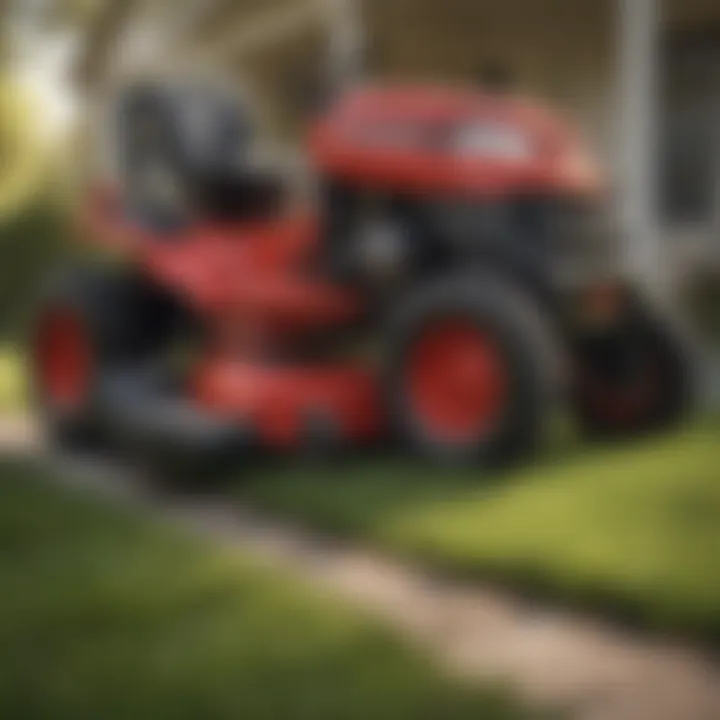
The rotation of blades is intricately tied to the blade belt's functionality in lawn equipment. As the belt drives the blades' rotation, the cutting mechanism is set into motion, allowing for efficient grass cutting. The key characteristic of blade rotation is its ability to achieve precise and uniform cutting patterns, enhancing the overall lawn care experience. By maintaining optimal tension and alignment of the blade belt, the rotation of blades remains consistent, contributing to a well-manicured lawn. The unique feature of blade rotation is its adaptability to various grass cutting conditions, providing versatility and performance in different lawn maintenance tasks.
Compatibility and Sizing
Matching the Correct Belt:
Matching the correct blade belt with a specific model of Troy-Bilt equipment is essential for ensuring optimal performance and durability. The key characteristic of matching the correct belt lies in its compatibility with the equipment's design and power requirements. By selecting the right belt size and type, users can guarantee seamless power transmission and efficient cutting performance. The unique feature of matching the correct belt is its ability to enhance the overall functionality of the lawn mower, reducing maintenance issues and extending the equipment's lifespan.
Adjustment for Different Models:
Adjusting the blade belt for different models of Troy-Bilt equipment is a valuable practice for maintaining cutting precision and efficiency. The key characteristic of adjustment lies in fine-tuning the tension and alignment of the belt to suit the specific requirements of various lawn mowers. By following manufacturer guidelines and making necessary adjustments, users can optimize the performance of their equipment and ensure consistent operation. The unique feature of adjustment for different models is its versatility in accommodating varying machine specifications, providing a tailored solution for each lawn care task.
Maintenance and Care
In the realm of lawn maintenance, the aspect of maintenance and care holds paramount importance. This article emphasizes the crucial role of maintenance and care in preserving the efficiency and longevity of Troy-Bilt lawn equipment, particularly focusing on the blade belt. By understanding and implementing proper maintenance practices, individuals can enhance the performance of their equipment and elevate their overall lawn care routine.
Routine Inspection
Checking for Wear and Tear
Checking for wear and tear on the blade belt is a critical aspect of routine inspection. It involves closely examining the belt for any signs of damage or deterioration due to regular use. This meticulous inspection helps in identifying potential issues early on, preventing further damage to the equipment or compromising its cutting performance. Ensuring that the blade belt is in optimal condition is essential for maintaining the overall functionality of the lawn mower.
Ensuring Proper Tension
Maintaining proper tension in the blade belt is vital for the smooth operation of the lawn mower. Proper tension ensures that the belt is securely in place and can effectively transfer power from the engine to the blades. This aspect of maintenance is crucial for maximizing the cutting performance of the equipment and avoiding potential malfunctions. By consistently checking and adjusting the tension of the blade belt, users can optimize the efficiency of their lawn mowers and prolong the lifespan of the belt.
Replacement Guidelines
Signs of Replacement
Recognizing the signs indicating the need for blade belt replacement is essential for efficient maintenance. Common signs include visible wear on the belt surface, fraying edges, or a slackened appearance. These indications signal that the belt may no longer be operating at its full capacity, impacting the cutting performance of the lawn mower. It is crucial to address these signs promptly to prevent further damage to the equipment and ensure consistent functionality.
Step-by-Step Replacement Process
Having a clear understanding of the step-by-step replacement process is key to effectively maintaining the blade belt. This process typically involves removing the old belt, selecting the appropriate replacement belt size, installing the new belt, and adjusting the tension to the manufacturer's specifications. Following each step meticulously ensures a seamless replacement that restores the equipment's cutting efficiency and prolongs its operational lifespan.


Lubrication and Cleaning
Using the Right Lubricants
Proper lubrication plays a significant role in the maintenance of the blade belt. Using the recommended lubricants helps reduce friction between the belt and pulleys, enhancing the overall performance and longevity of the belt. Selecting high-quality lubricants suitable for the specific material of the belt is crucial to prevent premature wear and ensure smooth power transmission. Regular lubrication is a preventive measure that optimizes the blade belt's functionality and minimizes the risk of unexpected failures.
Cleaning Procedures
Incorporating regular cleaning procedures into the maintenance regimen is paramount for preserving the blade belt's condition. Cleaning removes debris, dirt, and other contaminants that could compromise the belt's flexibility and functionality. By following the recommended cleaning methods provided by Troy-Bilt, users can maintain the belt's integrity and enhance its durability. Thorough cleaning not only improves the aesthetic appeal of the equipment but also contributes to its overall efficiency and performance.
Benefits of Proper Maintenance
Proper maintenance is crucial for ensuring the longevity and optimal performance of Troy-Bilt lawn equipment. By implementing a comprehensive maintenance routine, individuals can significantly enhance the durability and efficiency of their machines. This section will delve into the various aspects of proper maintenance, emphasizing its role in promoting equipment longevity and cost-efficiency.
Enhanced Equipment Longevity
Preventing Malfunctions
Preventing malfunctions is paramount in prolonging the lifespan of Troy-Bilt lawn equipment. By addressing potential issues proactively, users can prevent breakdowns and costly repairs. The meticulous inspection and timely repair of components mitigate the risk of malfunctions, ensuring smooth operation and uninterrupted workflow. This proactive approach not only enhances equipment durability but also minimizes operational disruptions, boosting overall productivity.
Optimizing Performance
Optimizing performance goes hand in hand with ensuring equipment longevity. By maintaining components at peak efficiency, users can extract maximum output from their Troy-Bilt machines. Fine-tuning performance parameters, such as blade sharpness and engine functionality, optimizes the cutting prowess and operational capacity of the equipment. This optimization not only improves cutting precision but also reduces the strain on the machine, resulting in prolonged service life and heightened user satisfaction.
Cost-Efficiency
Avoiding Unnecessary Repairs
Avoiding unnecessary repairs is a cornerstone of cost-effective equipment maintenance. By preemptively addressing wear and tear through routine inspections and timely replacements, users can sidestep major repair expenses. This prudent approach eliminates the need for emergency repairs, saving both time and money. By nipping potential issues in the bud, individuals can maintain their equipment's integrity, minimize downtime, and uphold operational efficiency.
Maximizing Investment
Maximizing investment in Troy-Bilt equipment involves strategic maintenance practices that yield long-term benefits. By safeguarding the equipment against premature wear and tear, users can extend its lifespan and optimize its return on investment. Regular servicing, coupled with judicious usage practices, ensures that the equipment delivers consistent performance over an extended period. This holistic investment approach not only preserves the equipment's value but also enhances its operational capabilities, aligning with the user's long-term goals.
Safety Considerations
Preventing Accidents
Prioritizing safety measures is paramount in preventing accidents during equipment operation. By adhering to safety protocols and maintaining a hazard-free work environment, users can mitigate the risk of mishaps. Proactive safety measures, such as wearing protective gear and following operational guidelines, significantly reduce the likelihood of accidents. This safety-conscious approach not only safeguards the user but also enhances overall operational efficiency by minimizing workplace disruptions.
Maintaining User Safety
Maintaining user safety is a dual responsibility shared by both the equipment and its operator. By ensuring that safety features are in optimal condition and that users are well-versed in operational safety practices, the risk of injuries is substantially reduced. Education on safe handling practices and regular safety checks bolster user confidence and foster a secure working environment. This commitment to user safety not only enhances equipment usability but also instills a culture of safety consciousness among users, promoting a harmonious blend of efficiency and security.