
Vinyl Siding Fascia: A Comprehensive Guide

Overview of Topic
Vinyl siding fascia is an integral part of home exterior design and materials. This topic specifically relates to the home improvement industry, focusing on the outer finishing of a building that not only enhances visual appeal but also serves essential functional roles. Fascia is the board that runs horizontally along the edge of the roofline, attaching to the ends of rafters or trusses. It often serves as a support for gutter systems and plays a crucial role in protecting the underlying structure from weather and environmental damage.
The importance of vinyl siding fascia cannot be overstated. It combines both aesthetic and practical functions. A properly installed fascia can elevate the overall look of a house while shielding against moisture intrusion, pest infestations, and other damaging conditions. Given the variety of materials available, selecting the right type of fascia—such as vinyl—offers benefits of durability, low maintenance, and resistance to rot and insects.
Common Challenges and Solutions
Homeowners often face several common challenges when dealing with vinyl siding fascia. One significant issue includes fading over time due to UV exposure. Additionally, improper installation can lead to gaps or sagging, both of which can compromise functionality and appearance.
To overcome these issues, consider the following solutions:
- Choose high-quality materials: Opt for vinyl fascia with UV inhibitors to minimize fading.
- Proper installation: Engage professional installers or follow guidelines meticulously to ensure the fascia is securely attached and properly aligned.
- Regular maintenance: Inspect fascia regularly for signs of damage or wear, covering small repairs before they escalate.
Tips for Overcoming Challenges
- Use paint or sealant designed for vinyl to refresh the color and protect against elements.
- Check gutters for blockages that can cause water to pool and damage the fascia.
Product Recommendations
In the market for vinyl siding fascia, several top industry brands stand out for their quality and durability. Brands such as CertainTeed, Royal Building Products, and Kaycan offer excellent products.
CertainTeed: Known for various colors and finishes, it also has a robust warranty.
Royal Building Products: Offers a wide range of styles, often promoting energy efficiency.
Kaycan: Offers an attractive selection of styles along with an environmentally friendly production process.
Benefits and Features of Recommended Products
- Durability: All recommended products boast long-lasting durability against the elements.
- Aesthetic Variety: They come in a variety of colors and finishes to suit diverse home designs.
- Low Maintenance: Vinyl options require minimal upkeep compared to wood or metal alternatives.
Step-by-Step Guides
Implementing vinyl siding fascia improvements involves a clear, practical approach.
- Planning: Assess your home’s exterior to determine the color and style that match your existing structure.
- Measurement: Carefully measure the existing fascia length to ensure an accurate purchase.
- Removal of Old Fascia: If replacing, carefully remove the old fascia boards without damaging the underlying structure.
- Installation: Follow manufacturer instructions for installation, ensuring a snug and secure fit.
- Sealing: Apply appropriate sealant to the joints to prevent moisture entry.
- Final Inspection: After installation, undertake a detailed walk-around to check alignment and any other finishing touches.
Regular check-ups and maintenance will prolong the life of your vinyl siding fascia. With proper care, this enhancement can provide extended protection and improved curb appeal for years to come.
Understanding Vinyl Siding
Understanding vinyl siding is an essential step in exploring vinyl siding fascia. This knowledge not only illuminates the purpose of fascia in a home’s exterior but also sets the groundwork for making informed decisions about materials and designs. Vinyl siding has gained popularity for its durability and low maintenance, making it an attractive option for homeowners looking to enhance curb appeal.
Historical Overview
The journey of vinyl siding began in the 1960s when homeowners sought alternatives to traditional materials like wood and aluminum. Early vinyl siding suffered from color fading and warping, which tarnished its reputation. However, advancements in technology have led to the creation of more robust and aesthetically pleasing vinyl products. Today, vinyl siding is recognized for its versatility, available in various textures and colors, appealing to numerous architectural styles.
Material Composition
Vinyl siding is primarily composed of polyvinyl chloride (PVC), a synthetic plastic polymer. PVC is favored for its strength and lightweight nature. Additional additives are mixed in during production to improve UV resistance, color retention, and flexibility. These enhancements ensure that the siding can withstand harsh weather conditions and maintain its integrity over time.
"Vinyl siding is often chosen for its combination of cost-efficiency and broad range of styles and colors."
Durability and Longevity
One of vinyl siding's main advantages is its impressive durability. Unlike wood, it does not rot or become susceptible to pests. In fact, quality vinyl siding can last for several decades, typically ranging from 20 to 40 years, depending on the environment and maintenance. Furthermore, it is resistant to moisture and extreme temperatures, positioning it as a reliable option for various climates. Regular inspections can help prolong its life, making it a smart investment for homeowners.
Vinyl Siding Fascia: Definition and Purpose
The significance of vinyl siding fascia in residential architecture cannot be overstated. This component serves as a pivotal element in protecting the edges of roofing and to enhance the overall aesthetic appeal. Fascia is not just practical; it also plays a crucial role in framing the house's design and can contribute to its curb appeal.
In the context of vinyl siding, fascia becomes even more essential. Unlike traditional materials that may require frequent maintenance, vinyl fascia offers durability, which can alleviate the concerns many homeowners have about upkeep and replacement. With various styles and colors available, vinyl siding fascia allows homeowners to execute their vision while ensuring functionality.
The benefits of using vinyl siding fascia extend beyond mere appearance. It provides a barrier against the elements, safeguarding the underlying structure from moisture and pests. This protective aspect is vital in maintaining the integrity of the home over time. Additionally, vinyl fascia can help with energy efficiency by adding an extra layer of insulation, reducing heating and cooling costs.
Function of Fascia in Residential Architecture
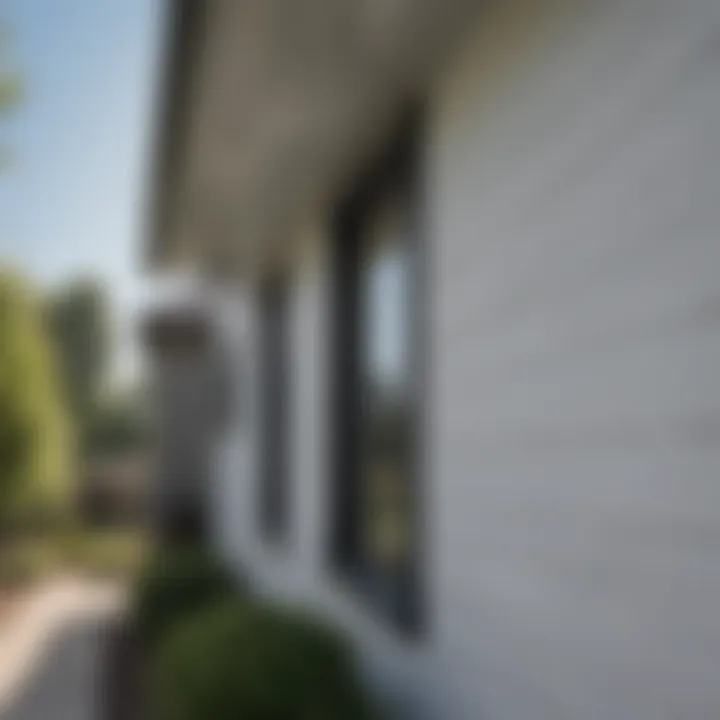
Fascia fulfills several key functions in home construction. Primarily, it acts as a finishing piece that caps the ends of the rafters. This ensures that the exposed wood is not susceptible to weather damage. Without proper fascia, the wood could warp and decay, leading to significant repair costs.
Furthermore, fascia boards can accommodate the attachment of gutters. These systems play an essential role in directing water away from the home’s foundation and preventing flooding or erosion in landscaped areas.
Homeowners often overlook the aesthetic function of fascia. It serves as a critical transitional element between the roofing and siding of the house. When selected carefully, the appearance of vinyl fascia can complement other exterior features, thus enhancing the overall visual harmony of the structure.
Vinyl as a Material Choice
Vinyl emerges as a preferred material for fascia due to its unique properties. One of the key advantages of vinyl is its resistance to moisture and decay. Unlike wood, vinyl does not swell or rot, making it an ideal choice in areas prone to heavy rainfall or snow.
It is also available in a wide range of colors. Homeowners can select hues that align with their personal style or match existing color schemes without the worry of fading over time. This aspect is particularly relevant in neighborhoods where architectural uniformity is encouraged.
Another point to consider is the ease of installation with vinyl fascia. Many homeowners or contractors find that the material is relatively straightforward to work with, allowing for a quicker installation process than wood. This can result in reduced labor costs, which is often a significant portion of the total investment.
In summary, choosing vinyl siding fascia is a decision that encompasses aesthetic, functional, and economic considerations. Its role in house design and long-term maintenance should encourage homeowners to consider it as a top material choice.
Installation Process
The installation process for vinyl siding fascia is crucial as it directly impacts the durability and aesthetics of a home. A well-executed installation ensures that the fascia serves its purpose effectively, protecting the structure while contributing to overall curb appeal. Understanding the various steps involved is essential for achieving a satisfactory final result that meets both functional and visual requirements.
Pre-Installation Preparation
Before any installation can take place, proper pre-installation preparation is necessary. This step helps to set realistic expectations and ensures a smooth workflow.
Measuring and Cutting
Accurate measuring and cutting are foundational to successful installation. It involves taking precise measurements of the fascia board lengths and widths needed for the project. This specific aspect impacts the fit and alignment of the boards, which are vital for effective water drainage and appearance. The key characteristic of this approach is its emphasis on precision, reducing the chance of material wastage and misalignment later in the process.
It is a beneficial choice to focus on accurate measurements, as a small error can lead to significant issues during installation. A unique feature of this step is the use of a chalk line, which helps in marking straight lines that are crucial for cutting. The advantages of this lie not only in saving money but also in enhancing the installation’s overall quality.
"Measuring accurately can prevent costly mistakes during installation."
Safety Considerations
Safety considerations are essential during the installation of vinyl siding fascia. This includes using appropriate personal protective equipment, like gloves and goggles, to safeguard oneself from sharp tools. The importance of this aspect cannot be overstated, as job site safety directly correlates with productivity and quality of work. A key characteristic here is the adherence to safety protocols, which becomes a priority to avoid accidents.
Implementing safety measures is, therefore, a popular choice in this installation process. A unique feature of these considerations is the emphasis on using ladders correctly, ensuring they are placed securely to avoid falls. The advantages include reduced risk of injury and improved worker morale, ultimately leading to a smoother installation process.
Step-by-Step Installation
The actual installation requires careful planning and execution. Each step builds upon the last to ensure that the vinyl siding fascia is installed correctly.
Affixing the Fascia Board
Affixing the fascia board is a significant part of the installation process. This involves securing the boards to the roofline, which is critical for preventing water infiltration and ensuring longevity. The key characteristic is the choice of fasteners; using stainless steel or galvanized nails is common due to their rust resistance. This specific aspect is beneficial as it enhances durability against harsh weather conditions.
A unique feature of this step is the proper spacing of the nails, which helps maintain strong adhesion while allowing for expansion and contraction with temperature changes. Advantages include increased longevity of the installation, as well as an aesthetically pleasing outcome that contributes to the home’s overall design.
Sealing and Finishing Touches
Sealing and adding finishing touches are the final pieces of the installation puzzle. This ensures that all joints and seams are watertight, which further protects the underlying structure from moisture damage. The key characteristic of this step is attention to detail; ensuring that the sealant is applied correctly can significantly enhance the longevity and durability of the fascia. This sequene is vital in providing a clean, finished appearance.
Utilizing high-quality sealant is a popular choice, which assures effective barrier against water. A unique feature in this step is the application of finishing trim, which not only provides additional protection but also enhances the visual appeal. The advantages of this thorough approach include improved durability and a polished look that adds to the value of the home.
Maintenance Requirements
The maintenance of vinyl siding fascia is crucial for ensuring its longevity and aesthetic appeal. Regular upkeep not only enhances the appearance of your home but also protects your investment. Neglected vinyl siding may face issues like discoloration, mold, or physical damage, which can lead to expensive repairs down the line. Understanding how to care for your vinyl siding fascia effectively is essential for homeowners who wish to maintain both the beauty and functionality of their property.
Key Benefits of Proper Maintenance:
- Prolongs Lifespan: Regular cleaning and inspection can extend the life of vinyl siding fascia.
- Enhances Aesthetic Appeal: Keeping the fascia clean and well-maintained helps maintain the curb appeal of your home.
- Cost-Effective: Preventative maintenance can save homeowners money by avoiding costly repairs.
- Visible Damage Prevention: Regular checks help identify and address issues before they escalate.
Essential Cleaning Techniques
Cleaning vinyl siding fascia should be a routine task to keep it looking its best. Here are some effective techniques to achieve this:
- Gentle Cleaning Solution:
- Soft-Bristled Brush:
- Rinsing:
- Regular Schedule:
- Use a mixture of mild detergent and water. This ensures that you do not damage the siding's surface.
- For tougher stains, a more concentrated solution may be used, but always test it on a small area first.
- Utilize a soft-bristled brush to scrub the fascia. This helps remove dirt and grime without scratching the vinyl.
- It is also advised to use a sponge or a cloth for gentler cleaning, especially in detailed areas.
- After scrubbing, thoroughly rinse the fascia with water to wash away all soap residue.
- A pressure washer can be effective, but use it carefully to avoid damage.
- Create a cleaning schedule, ideally every six months, or more often if you live in a high-pollution area.
- Additionally, clean after heavy storms or when debris accumulates.
By following these techniques, homeowners can ensure that their vinyl siding remains attractive and intact over time.
Signs of Wear and Tear
Identifying signs of wear and tear on vinyl siding fascia is vital for early intervention. Regular inspections can help you catch potential issues early. Here are the common indicators of damage:
- Fading Color: Prolonged exposure to the sun can lead to color fading, which may affect the overall look of your home.
- Cracks or Chips: Small cracks can expand over time, leading to more significant damage if not addressed promptly.
- Sagging: If the fascia appears to sag, it may indicate improper installation or structural issues.
- Mold or Mildew Growth: Dark streaks or patches can suggest mold and mildew, which can be harmful in the long run.
- Loose Sections: If you notice that sections of the fascia are coming loose, this may point to an underlying issue that needs attention.
"Regular checks help identify and address issues before they escalate."
Staying vigilant for these signs will make it easier to handle repairs, thus ensuring your vinyl siding fascia remains functional and beautiful for years to come.
Aesthetic Considerations
The aesthetic appeal of vinyl siding fascia plays a crucial role in the overall design of a home. Not only does it protect the structural elements, but it also contributes significantly to the visual coherence and curb appeal of a house. In today’s market, where first impressions matter, integrating attractive vinyl fascia can elevate a home’s exterior. A well-chosen fascia design complements the architectural style of the house, creating a sense of harmony.
There are several factors to consider when focusing on the aesthetics of vinyl siding fascia. From color trends to materials, understanding these aspects can help homeowners make informed choices that enhance their living spaces.
Color Choices and Trends
Color selection is essential when it comes to vinyl siding fascia. The right hues can enhance the home's exterior, influencing its character and ambience. Homeowners often look for colors that either complement or contrast the primary siding.
Current Trends in Colors:
- Neutral tones, such as soft greys or beige, remain popular for a classic look.
- Bold colors like deep blue or rich red are also trendy, offering a modern and striking appearance.
- Earthy colors, including greens and browns, promote a natural look that integrates well with landscaping.
Most importantly, the durability of the paint used in vinyl siding fascia matters. Selecting colors that resist fading under harsh weather conditions is smart, ensuring longevity and preserving aesthetic appeal.
Integration with Home Design
Integrating vinyl siding fascia with home design is an exercise in thoughtful planning. The fascia should enhance, not detract from, the overall architectural style. For architects and homeowners alike, maintaining a consistent aesthetic theme is key.
Considerations include:
- Architectural Style: Traditional homes might benefit from classic white or pastel shades, while contemporary designs allow for more daring color choices.
- Material Compatibility: The fascia material should harmonize with other materials like roofing and siding. For example, pairing smooth vinyl fascia with textured siding can create visual interest.
- Landscaping Elements: Colors and styles of fascia can also be influenced by surrounding landscaping. Colors that mirror foliage can create a seamless transition between the home and nature.
"A home’s exterior is a reflection of its interior. Properly integrated vinyl siding fascia enhances the beauty of your home."
In summary, aesthetics in vinyl siding fascia is about blending practical functionality with visual appeal. Investing time into choosing colors and integrating design elements can significantly enhance the value and charm of a property.
Comparative Analysis
A comparative analysis is crucial in assessing different materials and options available for vinyl siding fascia. It helps homeowners and industry professionals to make informed decisions based on specific needs, preferences and potential outcomes. Understanding the differences between materials like vinyl and wood fascia, as well as the associated costs, ensures that one can choose the best match for both aesthetic desires and practical requirements.
Vinyl vs. Wood Fascia
When considering fascia materials, the choice between vinyl and wood can be significant. Vinyl fascia is known for its resistance to rot, low maintenance needs, and durability. It does not warp or splinter, which can be a common problem with wood. On the other hand, wood fascia offers a classic, natural appearance that many find appealing. However, it requires regular maintenance like painting or staining to prevent decay and degradation.
Here are some aspects to consider:
- Durability: Vinyl has a longer lifespan; it can last up to 30 years without needing replacement while wood typically can last between 10 to 20 years.
- Maintenance: Vinyl siding fascias require minimal maintenance—usually just occasional cleaning. In contrast, wood needs periodic treatment to protect against elements.
- Cost: Initially, wood may appear cheaper. Yet, when factoring in the maintenance costs over time, vinyl can be more economical in the long run.
- Aesthetics: Many people prefer the natural look of wood. Vinyl, however, comes in various colors and textures, allowing for customization without the upkeep of natural products.
"Choosing between vinyl and wood fascia ultimately depends on personal preferences and long-term considerations."
Cost Considerations
Cost is a vital factor influencing the decision for fascia material. When looking at the overall investment, one should evaluate both initial costs and long-term expenses.
- Initial Outlay: Vinyl fascia often has a higher upfront cost than wood. The price range for vinyl can vary depending on quality and brand.
- Long-Term Savings: Wood’s lower initial cost can be misleading as ongoing maintenance costs can accumulate over the years.
- Appreciation Value: Investing in quality vinyl may enhance home value better due to its durable nature and modern appeal compared to wood, which might be viewed as older fashioned after some time.
- Installation Costs: Installation prices can differ too. Vinyl installation may cost more depending on the complexity of the work, but the longevity of the material may justify the expense.
Environmental Impact
Understanding the environmental impact of vinyl siding fascia is crucial for both home owners and professionals alike. As society increasingly embraces eco-friendly solutions, the selection of materials and construction methods takes on new significance. Vinyl siding fascia is often scrutinized for its sustainability and long-term effects on the environment. Addressing these concerns is essential not only for the future of our planet but also for making informed decisions that align with modern green practices.
Sustainability of Vinyl Materials
Vinyl materials have evolved over time, leading to advancements that enhance their sustainability. Modern vinyl is produced using a more eco-friendly process compared to earlier versions. Manufacturers employ more efficient practices and strive to reduce waste during production. Many now use recycled materials in the making of vinyl siding. This shift not only lessens the demand for virgin materials but also contributes to a circular economy.
The energy consumption involved in the manufacturing of vinyl is also a factor to consider. While it has historically been high, improvements in technology have reduced energy use significantly. As a result, the carbon footprint associated with vinyl siding fascia has become more acceptable in contemporary building designs.
Another dimension of sustainability relates to durability. Vinyl is known for its long lifespan, often lasting 25 years or more with proper maintenance. This longevity means fewer replacements are necessary, which contributes to reduced waste over time. In sum, evaluating the sustainability of vinyl siding requires understanding its production, usage, and disposal phases—all of which have been positively impacted by recent innovations.
Recycling and Disposal
When discussing the environmental impact of vinyl siding fascia, recycling and disposal methods are essential. Traditionally, vinyl has faced criticism for being non-biodegradable, leading to concerns about landfill contributions. However, recycling programs have become more prevalent in various regions. Homeowners can now recycle old vinyl siding through specialized facilities that can reclaim the material.
The recycling process for vinyl typically involves shredding the material and melting it down to create new products. Items like pipe covers, floor tiles, and even new siding can be manufactured from recycled vinyl. Notably, some recycling facilities also run education programs to inform the public about proper disposal methods.
For vinyl siding that cannot be recycled, responsible disposal is paramount. Homeowners should avoid tossing vinyl in regular landfills when possible; instead, exploring alternative disposal options can mitigate environmental harm. Engaging with local waste management agencies can provide guidance on eco-friendly disposal practices.
"As awareness increases about the impact of building materials on the environment, vinyl siding fascia is gaining attention for its both sustainability and long-term benefit."
In summary, the environmental impact of vinyl siding fascia should be evaluated from multiple perspectives including sustainability during production, effective recycling programs, and responsible disposal methods. As practices continue to improve, so too can perceptions about vinyl in residential construction.
Economic Factors
Understanding the economic factors surrounding vinyl siding fascia goes beyond mere prices. It involves analyzing how the choices made today will affect the overall financial picture of homeowners in the long run. Various elements come into play, including initial costs, potential savings, and the subsequent impact on property value. This section aims to detail how these variables interconnect, providing insight for housewives and homeowners looking to make informed financial decisions about their home decor.
Initial Investment vs. Long-Term Savings
When homeowners consider vinyl siding fascia, the initial investment often seems daunting. The upfront cost may include the material itself, labor for installation, and any required permits. However, it is essential to assess this investment against potential long-term savings. Vinyl fascia has low maintenance needs compared to alternatives like wood. Over time, the absence of regular repainting and repairs can translate to considerable savings.
Moreover, vinyl is known for its durability. It withstands many environmental factors such as rain, snow, and UV exposure, which can degrade other materials. In this sense, a higher initial outlay can lead to fewer expenses down the road.
Additionally, energy efficiency plays a role in long-term savings. Proper insulation and installation not only enhance aesthetics but also reduce energy bills over time. Vinyl siding can help maintain a stable indoor temperature, thereby lowering heating and cooling costs for homeowners.
Impact on Home Value
The choice of vinyl siding fascia significantly influences the overall value of a property. First impressions matter. Well-maintained siding can enhance curb appeal, making the home more attractive to potential buyers. This aspect is especially pertinent in competitive real estate markets. Homes with vinyl siding tend to draw in buyers looking for modern aesthetics combined with low maintenance.
Vinyl siding is also associated with contemporary energy efficiency standards. Therefore, homes fitted with this type of fascia can command higher prices. Many home buyers today prioritize energy-efficient upgrades. They may look favorably on a property that features durable vinyl as part of its exterior.
In summary, while the initial costs of installing vinyl siding fascia may seem high, the long-term savings associated with less maintenance, lower energy bills, and increased property value present a compelling case for homeowners.
Investing in vinyl siding fascia can provide returns that far exceed the initial expenditure, not only saving money but also enhancing the aesthetic and market value of your home.
As you consider your options, reflect on these economic factors carefully. Making an informed decision will lead to lasting benefits.
Closure
In this article, we have explored numerous facets of vinyl siding fascia. This concluding section is vital as it consolidates the previously discussed elements, highlighting their significance and the overall benefits that vinyl siding fascia brings to both residential and commercial structures.
One of the key points is the versatility that vinyl provides. Vinyl siding fascia is not only durable but also comes in a variety of colors and styles. This feature allows homeowners to maintain aesthetic continuity throughout their property. The ease of installation and low maintenance requirements add significant appeal, making it a wise choice for many.
Furthermore, the economic advantages cannot be overstated. The initial investment in vinyl siding fascia often leads to long-term savings. It reduces the frequency of replacements and repairs, which is appealing to homeowners. Additionally, the positive impact on home value due to enhanced curb appeal underscores the importance of choosing the right siding fascia.
To summarize, here are the main elements to keep in mind about vinyl siding fascia:
Summary of Key Points
- Durability and Longevity: Vinyl materials resist harsh weather, ensuring years of reliable performance.
- Aesthetic Flexibility: Various styles and colors are available to match home design.
- Cost-Effectiveness: Long-term savings due to low upkeep and repairs.
- Installation Ease: Straightforward installation process that can be managed by skilled homeowners or professionals.
- Environmental Benefits: Vinyl siding is recyclable, aligning with sustainable building practices.
Overall, vinyl siding fascia presents a compelling case for its adoption in modern architecture, focusing on function, aesthetics, and economic value.
Future Trends in Vinyl Siding Fascia
The future of vinyl siding fascia shows promise as innovations continue to emerge. With growing concerns over environmental sustainability, manufacturers are focusing on improving the recyclability of vinyl materials. New formulations may lead to even more durable products that require less maintenance.
Another trend is the integration of smart technology. Smart home features may extend to vinyl siding, allowing homeowners to monitor conditions that affect their fascia, enhancing preventive maintenance. Additionally, the increased customization available will allow homeowners to further personalize their homes to reflect style without compromising functionality.