Mastering Indoor Painting Scaffolding: A Comprehensive Guide for Optimal Results
Overview of Indoor Painting Scaffolding
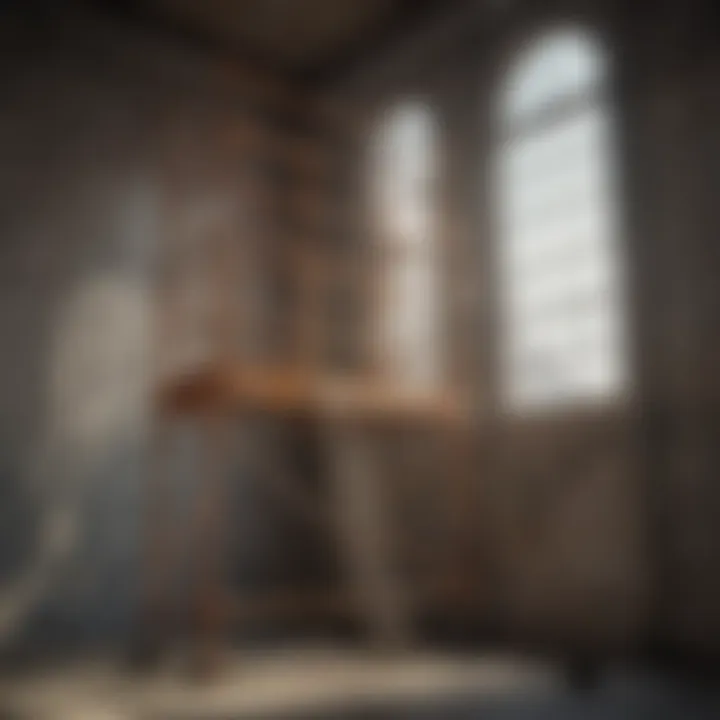
In the home improvement industry, the use of indoor painting scaffolding plays a pivotal role in enhancing efficiency and safety during painting projects. Unlike outdoor settings, indoor spaces pose unique challenges due to limited accessibility and confined areas, making traditional ladders impractical for reaching high points and corners effectively. Indoor painting scaffolding provides a secure platform for painters to comfortably navigate tight indoor spaces, ensuring precise and even coverage of walls and ceilings. Its importance cannot be overstated, as it serves as a fundamental tool in achieving professional-quality painting results within homes.
Common Challenges and Solutions
Homeowners often encounter challenges when attempting indoor painting projects without the appropriate scaffolding. Issues such as restricted mobility in cramped areas, difficulty in reaching ceilings and high walls, and potential safety hazards from unstable ladders are commonly faced. To address these challenges, utilizing indoor painting scaffolding is crucial. By investing in quality scaffolding equipment and adopting safe practices, homeowners can mitigate risks, improve efficiency, and attain superior painting outcomes. Implementing proper safety measures, such as securing the scaffolding and using stabilizing features, significantly reduces the likelihood of accidents and enhances overall project success.
Product Recommendations
When considering indoor painting scaffolding options, reputable brands like [Industry Brand] offer a range of reliable products tailored to meet varying project requirements. From adjustable platforms to lightweight aluminum frames, these scaffolding solutions provide stability, durability, and versatility for indoor painting tasks. Features such as lockable wheels for easy maneuverability, adjustable heights to suit different room dimensions, and anti-slip surfaces for enhanced grip ensure user comfort and safety throughout the painting process. By selecting high-quality scaffolding products from established brands, homeowners can enhance productivity, minimize disruptions, and achieve impeccable painting results.
Step-by-Step Guides
For a successful indoor painting project using scaffolding, meticulous planning and execution are key. Begin by assessing the painting area and determining the optimal positioning of the scaffolding to access all target surfaces efficiently. Prioritize safety by following manufacturer guidelines for assembly and usage, inspecting equipment for defects, and securing the scaffolding in place before commencing work. When painting, maintain a steady posture on the scaffolding, utilize stabilizing features if available, and use appropriate reaching tools to cover all areas evenly. Upon completion, disassemble the scaffolding carefully and store it in a designated space to ensure longevity and readiness for future projects.
Introduction
Indoor painting scaffolding plays a crucial role in the efficiency and safety of painting projects within enclosed spaces. It is essential to understand the key aspects of indoor painting scaffolding to ensure successful project completion. This article aims to provide a comprehensive guide to indoor painting scaffolding, covering its importance, types, setup, safety measures, and best practices. By delving deep into the intricacies of using scaffolding for indoor painting, readers will gain valuable insights into optimizing efficiency and ensuring safety for such endeavors.
Defining Indoor Painting Scaffolding
Indoor painting scaffolding refers to the temporary structure erected to support painters and their equipment during painting tasks conducted indoors. The purpose and significance of indoor painting scaffolding lie in providing a stable platform for painters to reach heights safely, access hard-to-reach areas, and enhance productivity. Understanding the purpose and significance of indoor painting scaffolding is vital for streamlining painting processes and minimizing risks involved in working at elevated levels.
Understanding the purpose and significance of indoor painting scaffolding
Understanding the purpose and significance of indoor painting scaffolding entails grasping its pivotal role in ensuring a secure work environment for painters. This aspect of scaffolding contributes significantly to reducing accidents, promoting efficiency, and achieving high-quality painting outcomes in indoor settings. The key characteristic of understanding the purpose and significance of indoor painting scaffolding is its adaptability to various indoor spaces and painting requirements. It is a popular choice for indoor painting projects due to its versatility, ease of setup, and ability to enhance workflow efficiency. The unique feature of understanding the purpose and significance of indoor painting scaffolding lies in its ability to provide safe elevated platforms while allowing flexibility in maneuvering around confined indoor spaces. This feature offers advantages such as improved access to all painting areas, increased painter productivity, and reduced risks of falls or injuries in indoor painting projects.
Types of Scaffolding for Indoor Painting
In the realm of indoor painting projects, the selection of the right scaffolding plays a pivotal role in ensuring both efficiency and safety. Types of scaffolding for indoor painting encompass a variety of structures, each tailored to meet specific project requirements. Understanding the nuances of fixed, mobile, and suspended scaffolding can significantly impact the outcome of your painting endeavor.
Fixed Scaffolding
Exploring the Features and Benefits of Fixed Scaffolding for Indoor Painting
Fixed scaffolding stands out as a stalwart companion in indoor painting tasks, offering stability, reliability, and convenience. The essence of fixed scaffolding lies in its permanent fixture, providing a robust platform for painters to execute their work meticulously. This type of scaffolding is preferred for projects that require consistent elevation and secure footing. The key characteristic of fixed scaffolding is its immovability, granting painters a steadfast foundation to operate efficiently and attentively. The reinforced structure of fixed scaffolding ensures prolonged use without compromising safety, making it a popular choice for indoor painting projects requiring extended access at specific heights. The unique feature of fixed scaffolding lies in its enduring support, guaranteeing painters a reliable structure to navigate intricate painting tasks with ease. The advantages of utilizing fixed scaffolding include heightened stability, enhanced safety measures, and continuous support throughout the painting process.
Mobile Scaffolding
Understanding the Flexibility and Utility of Mobile Scaffolding in Indoor Painting Projects
Mobile scaffolding emerges as a versatile asset in indoor painting ventures, offering agility, adaptability, and portability. The crux of mobile scaffolding rests in its moveable nature, allowing painters to navigate different areas with ease. This type of scaffolding is ideal for projects that require frequent repositioning and accessible height adjustments. The key characteristic of mobile scaffolding is its maneuverability, enabling painters to swiftly transition between diverse sections of a painting site. The mobility of mobile scaffolding makes it a practical choice for indoor painting projects that demand flexibility and swift deployment. The unique feature of mobile scaffolding is its ease of transportation, facilitating quick assembly and disassembly as needed. Advantages of incorporating mobile scaffolding include increased accessibility, adaptability to varying project needs, and efficient maneuvering within confined indoor spaces.
Suspended Scaffolding
Examining the Setup and Advantages of Suspended Scaffolding for Indoor Painting Tasks
Suspended scaffolding presents an innovative solution for indoor painting endeavors, offering elevated access, maneuverability, and unobstructed workspace. The essence of suspended scaffolding lies in its aerial suspension, providing painters with unmatched viewpoints and unrestricted movement. This type of scaffolding is suitable for projects that involve painting ceilings, high walls, or areas with obstructed ground access. The key characteristic of suspended scaffolding is its elevated positioning, granting painters uninhibited reach and flexibility to address hard-to-reach surfaces. The suspension mechanism of this type of scaffolding makes it a sought-after choice for indoor painting projects requiring aerial navigation and precise detailing. The unique feature of suspended scaffolding lies in its accessibility to overhead areas, enabling painters to tackle vertical spaces with precision and ease. Advantages of utilizing suspended scaffolding include unparalleled vertical mobility, unrestricted workspace access, and enhanced maneuverability for intricate painting tasks.
Setting Up Indoor Painting Scaffolding
In the realm of indoor painting projects, setting up scaffolding is a critical aspect that greatly impacts the efficiency and safety of the entire operation. Properly setting up indoor painting scaffolding is not merely about functionality but also about creating a secure environment for workers to execute their tasks with precision and confidence. By focusing on the details of setting up scaffolding, one can ensure a smooth and productive painting experience.
Preparing the Work Area
When it comes to preparing the work area for the erection of indoor painting scaffolding, attention to detail is paramount. Ensuring a safe and suitable environment before setting up scaffolding involves several key considerations. One must assess the structural integrity of the surfaces where the scaffolding will be placed to guarantee stability and prevent accidents during the painting process. Additionally, removing any obstacles or hazards from the work area is essential to create a clear and unobstructed space for the scaffolding setup.
Ensuring a Safe and Suitable Environment for Erecting Indoor Painting Scaffolding
The aspect of ensuring a safe and suitable environment for erecting indoor painting scaffolding is fundamental to the overall success of the project. This step involves inspecting the flooring for stability, ensuring it can support the weight of the scaffolding and workers without any risk of collapse. Furthermore, verifying that the area is free from slippery substances or uneven surfaces is crucial to prevent accidents and ensure a steady foundation for the scaffolding.
A key characteristic of this approach is the proactive focus on preempting potential safety hazards before they arise. By addressing safety concerns preemptively, the risk of accidents or work interruptions due to unsafe conditions is significantly reduced. This proactive stance not only enhances the efficiency of the painting project but also underscores the commitment to a safe working environment.
In essence, ensuring a safe and suitable environment for erecting indoor painting scaffolding is a beneficial choice for this article as it emphasizes the foundational step that sets the stage for a successful painting endeavor. The meticulous attention to detail in creating a secure work area highlights the commitment to safety and quality craftsmanship in indoor painting projects.
Safety Measures and Regulations
In the realm of indoor painting scaffolding, safety measures and regulations play a pivotal role in ensuring the well-being of workers and the successful completion of projects. The adherence to strict safety guidelines not only mitigates the risk of accidents but also enhances productivity and efficiency. By implementing robust safety protocols, such as the proper use of Personal Protective Equipment (PPE) and adhering to Occupational Safety and Health Administration (OSHA) guidelines, individuals involved in indoor painting projects can create a secure working environment that promotes optimal performance.
Personal Protective Equipment (PPE)
Understanding the essential gear required for working on indoor painting scaffolding
When it comes to indoor painting scaffolding, understanding the essential gear required for safe operations is paramount. PPE encompasses a range of protective clothing, helmets, goggles, gloves, and footwear designed to safeguard individuals from potential hazards in the painting environment. The significance of PPE lies in its ability to minimize the risks associated with falls, exposure to harmful chemicals, and other workplace dangers.
As an indispensable component of safety measures, PPE ensures that workers are well-equipped to handle challenges commonly faced during indoor painting projects. The key characteristic of PPE is its ability to create a barrier between individuals and hazards, serving as a frontline defense against injuries or accidents. Its reliability and effectiveness make it a popular choice for enhancing worker safety and overall project security.
PPE's unique feature lies in its versatility and broad applicability across various tasks within indoor painting scaffolding. From preventing eye injuries due to splashes of paint or chemicals to reducing the impact of falls from elevated platforms, PPE offers comprehensive protection that aligns with the overarching goal of maintaining a safe work environment. While it may require occasional adjustment or replacement, the advantages of using PPE far outweigh any minor inconveniences, making it an indispensable element in ensuring the well-being of workers engaged in indoor painting projects.
OSHA Guidelines
Adhering to Occupational Safety and Health Administration standards for scaffolding safety
Compliance with OSHA guidelines is essential for upholding the highest safety standards in indoor painting scaffolding. OSHA regulations are designed to prevent workplace accidents, injuries, and fatalities by laying out specific requirements for the construction, maintenance, and use of scaffolding structures. The fundamental aim of adhering to OSHA guidelines is to promote a culture of safety consciousness and accountability among workers, supervisors, and project managers.
The key characteristic of OSHA guidelines is their detail-oriented approach towards scaffolding safety, encompassing factors like load-bearing capacity, structural integrity, and proper assembly techniques. By following these guidelines, individuals can minimize the risk of scaffold-related incidents and foster a secure working environment that prioritizes employee welfare and operational efficiency.
Adhering to OSHA standards is a beneficial choice for indoor painting projects as it ensures regulatory compliance and aligns with industry best practices for scaffold safety. The unique feature of OSHA guidelines lies in their adaptability to different project scenarios and settings, offering a comprehensive framework that caters to diverse needs and requirements. While compliance may involve periodic inspections and adjustments to meet evolving safety standards, the long-term advantages of upholding OSHA regulations include improved risk management, enhanced worker protection, and legal compliance in the context of indoor painting scaffolding operations.
Best Practices for Indoor Painting Scaffolding
Efficiency and Productivity

Tips for Maximizing Efficiency and Streamlining Painting Processes with Scaffolding
When it comes to maximizing efficiency and streamlining indoor painting tasks with scaffolding, several key strategies come into play. One fundamental tip is to carefully plan and prepare the work area before beginning the painting process. This includes clearing clutter, securing the scaffolding properly, and organizing tools and materials for easy access.
Moreover, establishing a systematic workflow can ensure a smooth operation throughout the project. Assigning specific tasks to designated team members, coordinating movements on the scaffolding, and maintaining communication are essential components of enhancing productivity.
The unique feature of leveraging scaffolding for indoor painting lies in its ability to provide access to hard-to-reach areas with stability and safety. This feature not only improves efficiency by reducing the time spent on navigating around obstacles but also minimizes the risk of accidents or errors during the painting process.
By incorporating these tips into your indoor painting projects, you can optimize productivity, enhance workflow efficiency, and achieve high-quality results. The strategic use of scaffolding as a tool for reaching elevated surfaces with precision and safety underscores its value in the realm of indoor painting.
Maintenance and Inspection
In the realm of indoor painting scaffolding, maintenance and inspection play a pivotal role in ensuring the ongoing safety and stability of the structure. Regular checks and upkeep not only guarantee the longevity of the scaffolding but also contribute significantly to the smooth progress of painting projects. By focusing on the meticulous maintenance and thorough inspection of the scaffolding, individuals can uphold high standards of safety and efficiency throughout their painting endeavors.
Regular Check-ups
Importance of routine inspections and maintenance to ensure scaffold stability
The importance of conducting routine inspections and maintenance to ensure scaffold stability cannot be overstated. This aspect is crucial in safeguarding the integrity of the scaffolding structure, minimizing the risks associated with instability or structural failure. By adhering to a consistent schedule of check-ups and maintenance tasks, individuals can identify and address potential issues promptly, mitigating any safety hazards that may arise during painting activities.
One key characteristic of prioritizing routine inspections and maintenance is the proactive approach it embodies towards safety and structural soundness. By preemptively addressing any signs of wear, damage, or instability, individuals can prevent more serious issues from developing, thereby fostering a secure working environment for all involved in the painting project.
Moreover, the unique feature of emphasizing regular check-ups lies in its ability to enhance the overall efficiency and productivity of painting tasks. By ensuring that the scaffolding remains in optimal condition through continuous monitoring and maintenance, individuals can streamline their painting processes, avoiding delays or interruptions that may result from structural complications. This proactive stance towards scaffold stability not only fosters a safer working environment but also contributes to the timely completion of indoor painting projects, meeting deadlines and quality standards effectively.
Conclusion
The conclusion of this comprehensive guide to indoor painting scaffolding serves as a crucial component in tying together all the essential aspects discussed throughout the article. By summarizing the key points, readers are provided with a clear understanding of the significance of utilizing scaffolding for indoor painting projects. This section emphasizes the importance of implementing safety measures, choosing the appropriate type of scaffolding for specific requirements, and adhering to best practices to ensure efficiency and productivity.
In essence, the conclusion acts as a pivotal closure, reinforcing the necessity of thorough planning, meticulous execution, and regular maintenance in indoor painting projects involving scaffolding. By encapsulating the core takeaways of the guide, readers are equipped with a comprehensive overview that empowers them to undertake painting tasks with confidence, optimizing outcomes and safeguarding against potential risks.
Summary of Key Points
Recapitulating the Essential Aspects of Indoor Painting Scaffolding for Project Success
Recapitulating the essential aspects of indoor painting scaffolding for project success is a fundamental component that underscores the significance of meticulous planning and diligent implementation in achieving favorable results. This section encapsulates the key practices for ensuring scaffold stability, optimizing work efficiency, and prioritizing safety measures.
The unique feature of recapitulating the essential aspects lies in its ability to provide a structured framework for project success, guiding readers through essential checkpoints crucial for seamless execution. By emphasizing regular inspections, adherence to safety guidelines, and the utilization of suitable protective equipment, this aspect enhances project outcomes and minimizes potential hazards. Notably, this element serves as a valuable resource for both seasoned professionals and beginners embarking on indoor painting endeavors.