
Unlocking the Intricacies of Conduit Couplings: A Comprehensive Guide
Overview of Topic
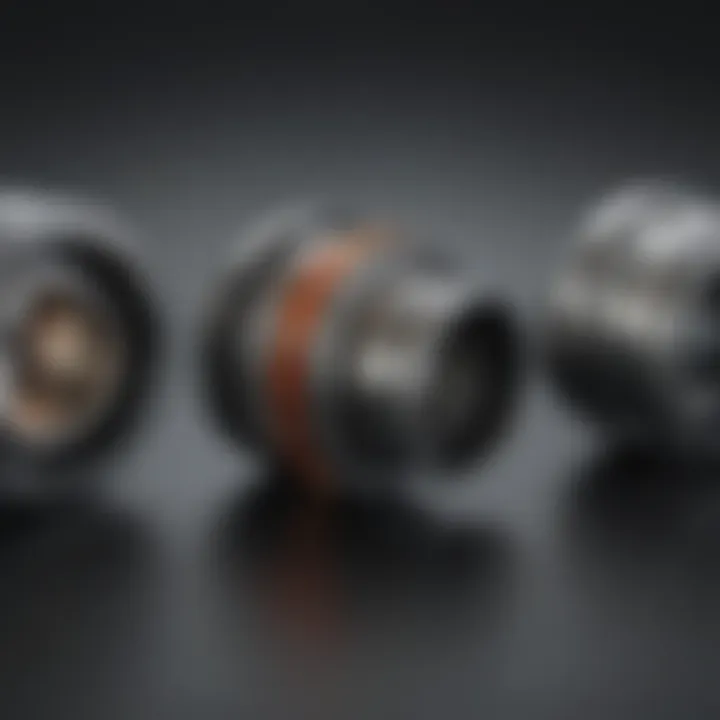
Conduit couplings play a vital role in the home improvement industry by facilitating the seamless connection of electrical conduits. These small yet essential components ensure that the conduits are joined securely, providing a conduit for electrical wiring within buildings. The importance of conduit couplings lies in their ability to maintain electrical safety by preventing exposure of wires and ensuring a consistent flow of electricity throughout the wiring system.
Common Challenges and Solutions
Homeowners often face challenges related to conduit couplings, such as incorrect sizing leading to loose connections or difficulties in aligning conduits during installation. To overcome these issues, it is crucial to accurately measure the conduit sizes before purchasing couplings and use alignment guides or lubricants to ease the fitting process. Additionally, ensuring proper tightening of the couplings can prevent future loose connections.
Product Recommendations
When it comes to conduit couplings, [Industry Brand] offers an excellent range of products known for their durability and reliability. The top products in the market include [Product A], [Product B], and [Product C]. These couplings are designed for easy installation, corrosion resistance, and superior conductivity, making them ideal for various electrical applications. Homeowners can benefit from the longevity and efficiency of these recommended products.
Step-by-Step Guides
- Assessing Conduit Sizes: Start by measuring the outer diameter of the conduits to determine the appropriate coupling size needed for a secure fit.
- Preparing the Conduits: Clean the conduit ends to remove any dirt or debris that may hinder the fitting of the couplings.
- Fitting the Couplings: Slide the couplings onto the conduit ends and ensure they are aligned correctly for a tight connection.
- Securing the Couplings: Use a wrench to tighten the couplings firmly, but avoid over-tightening to prevent damage to the conduits.
- Testing the Connection: Conduct a continuity test to verify that the electrical flow is uninterrupted through the connected conduits.
This detailed guide offers insights into the world of conduit couplings, from understanding their significance in the home improvement sector to practical tips for successful installation and maintenance. By following these recommendations and product suggestions, homeowners can enhance the safety and efficiency of their electrical systems with confidence.
Introduction to Conduit Couplings
In this article, we delve into the intricate world of conduit couplings, shedding light on their pivotal role in electrical systems. Understanding conduit couplings is essential for ensuring the efficient transmission of electricity in various applications. From residential wiring projects to commercial installations, the use of conduit couplings streamlines the connections between conduits, allowing for a safe and reliable flow of electrical currents. Professionals and enthusiasts will find this comprehensive guide invaluable for grasping the nuances of conduit couplings and their significance in electrical setups.
Understanding the Basics
Definition of Conduit Couplings
The definition of conduit couplings lies in its ability to connect sections of conduits seamlessly, forming a continuous path for electrical wiring. By serving as junction points, conduit couplings play a crucial role in maintaining the integrity of electrical systems. The key characteristic of conduit couplings is their versatility, as they come in various sizes and materials to suit different project requirements. While offering a simple yet effective means of connecting conduits, conduit couplings require precise installation to ensure a secure connection. This aspect of conduit couplings underscores their reliability and efficiency in electrical installations.
Importance of Conduit Couplings in Electrical Systems
The importance of conduit couplings in electrical systems cannot be overstated, as they provide the crucial link between separate conduit segments, enabling a seamless flow of electricity. Without proper coupling, conduits may be exposed to external elements or face disconnection, leading to potential hazards such as electrical shocks or malfunctions. In this article, we emphasize the significance of using conduit couplings to maintain the structural integrity of electrical setups. Additionally, we explore how insulated couplings contribute to electrical safety by preventing short circuits and grounding issues, making them an essential component in electrical systems.
Types of Conduit Couplings


Rigid Conduit Couplings
Rigid conduit couplings are known for their sturdy construction, offering a durable solution for connecting rigid conduits. The key characteristic of rigid couplings lies in their ability to provide a secure and fixed connection between conduits, minimizing the risk of movement or misalignment. This makes them a popular choice for applications where stability and reliability are paramount. Despite their robust nature, rigid couplings may pose challenges during installation due to their inflexibility, requiring precise measurements and alignment for a successful connection.
Compression Couplings
Compression couplings are designed to create a tight seal between conduits, ensuring a secure and leak-proof connection. The key characteristic of compression couplings is their ability to withstand environmental factors such as moisture and dust, making them ideal for outdoor installations or corrosive environments. By compressing the conduit walls together, these couplings form a reliable joint that maintains electrical continuity while providing protection against external elements. However, the installation of compression couplings demands attention to detail to achieve proper compression and prevent leaks or disconnections.
Set-Screw Couplings
Set-screw couplings utilize screws to secure conduits in place, offering a simple yet effective method of connection. The key characteristic of set-screw couplings is their ease of installation, allowing for quick and hassle-free assembly of conduit segments. This makes them a popular choice for DIY enthusiasts or projects with time constraints. Despite their easy installation process, set-screw couplings require periodic inspections to ensure the screws remain tightened, preventing loosening that could lead to potential hazards or connectivity issues.
Push-Fit Couplings
Push-fit couplings feature a push-in mechanism for connecting conduits, eliminating the need for extensive tools or equipment during installation. The key characteristic of push-fit couplings is their user-friendly design, enabling swift and effortless coupling of conduits. This convenience makes them an attractive option for applications where efficiency and convenience are prioritized. However, proper alignment and support are essential when using push-fit couplings to prevent accidental disconnections or misalignments that could compromise the electrical connection.
Materials Used
Steel Couplings
Steel couplings offer a robust and resilient solution for connecting conduits, capable of withstanding high-temperature environments and mechanical stresses. The key characteristic of steel couplings is their durability and longevity, making them a reliable choice for industrial applications or environments with harsh conditions. While steel couplings boast excellent tensile strength and corrosion resistance, they may require additional insulation to prevent galvanic corrosion when connected to dissimilar metals or in corrosive atmospheres. Proper maintenance such as regular inspections and application of protective coatings can enhance the lifespan and performance of steel couplings.
Aluminum Couplings
Aluminum couplings provide a lightweight yet sturdy option for connecting conduits, offering ease of handling and installation. The key characteristic of aluminum couplings is their non-magnetic and non-corrosive properties, making them suitable for sensitive electronic applications or environments where electromagnetic interference must be minimized. Despite their resistance to corrosion, aluminum couplings require careful handling during installation to prevent deformation or damage to the softer metal. Applying anti-seize compounds or protective coatings can improve the longevity and reliability of aluminum couplings in various electrical installations.
PVC Couplings
PVC couplings present a cost-effective and versatile solution for connecting conduits in residential, commercial, and industrial settings. The key characteristic of PVC couplings is their lightweight and easy-to-install nature, allowing for quick and efficient assembly without specialized tools. PVC couplings are known for their corrosion resistance and electrical insulation properties, making them a popular choice for indoor wiring projects or areas exposed to moisture. However, UV exposure can degrade the structural integrity of PVC couplings over time, requiring regular inspections and replacement to maintain the performance and safety of electrical connections.
Installation Techniques
When it comes to the comprehensive guide on conduit couplings, understanding the installation techniques is paramount. This section focuses on the meticulous steps and considerations required to ensure a safe and effective installation process. Proper installation techniques not only guarantee the longevity and efficiency of the electrical system but also contribute to overall safety and functionality.
Step-by-Step Guide


Preparing the Conduits
Preparing the conduits plays a crucial role in the installation process. This step involves assessing the conduits for any damage, cleaning out debris, and ensuring they are the correct size and material for the coupling connection. The meticulous preparation of conduits is essential to prevent any obstructions or complications during the coupling process. Housewives and homeowners will find this step particularly important as it sets the foundation for a seamless installation.
Selecting the Right Coupling
Selecting the right coupling is a crucial decision that impacts the performance and durability of the electrical system. Housewives and homeowners must consider factors such as material, size compatibility, and environment conditions when choosing the appropriate coupling. The right coupling ensures a secure and reliable connection between conduits, minimizing the risk of damage or malfunction.
Proper Alignment and Joining
Proper alignment and joining of conduits are essential for the success of the installation. This step requires precision and attention to detail to ensure that the conduits are correctly aligned before fastening the coupling. Housewives and homeowners should focus on maintaining straight alignments to avoid any bending or misalignment that could compromise the efficacy of the electrical system.
Tools Required
In the realm of conduit coupling installation, having the right tools is fundamental to achieving a flawless connection. Each tool serves a specific purpose and contributes to the efficiency and accuracy of the installation process. Let's delve into the essential tools required for a successful coupling installation.
Wrenches
Wrenches are indispensable tools for tightening and securing coupling connections. Their adjustable design allows for a customized fit, ensuring a firm grip on conduits without causing damage. Housewives and homeowners can benefit from using wrenches to fasten couplings securely, providing stability and reliability to the electrical system.
Screwdrivers
Screwdrivers are versatile tools that assist in fastening screws and connectors during the coupling process. Their ergonomic design and sturdy construction make them a go-to tool for various installation tasks. Housewives and homeowners will appreciate the convenience and ease of use that screwdrivers offer when securing conduits and couplings.
Hacksaw
A hacksaw is indispensable for cutting and modifying conduits to the required length and size. Its sharp blade and durable frame enable precise and clean cuts, ensuring a tailored fit for the coupling installation. Housewives and homeowners can benefit from the efficiency and accuracy that a hacksaw provides, allowing for seamless adjustments to conduits before coupling.
Best Practices and Safety Measures
Ensuring Electrical Safety
Proper Grounding
Proper grounding is a fundamental facet of electrical safety when dealing with conduit couplings. It involves creating a direct path for electrical current to flow safely to the ground in situations where insulation fails. This ensures that in the event of a fault or surge, excess electricity dissipates harmlessly rather than posing a risk of electrocution or fires. The key characteristic of proper grounding is its ability to provide a reliable pathway for stray currents, effectively reducing the chance of electrical hazards. Utilizing proper grounding techniques is a popular choice in this article due to its proven track record in enhancing safety and system performance. The unique feature of proper grounding lies in its ability to create a safe working environment by neutralizing excess electrical charges, thus promoting system reliability and longevity.
Use of Insulated Couplings
The use of insulated couplings is another vital component in ensuring electrical safety when working with conduit systems. Insulated couplings are designed to prevent the flow of electricity between conductive materials, reducing the risk of short circuits or electrical shocks. Their key characteristic lies in their ability to create a barrier that inhibits the passage of current, effectively isolating different sections of the system. Insulated couplings are a beneficial choice for this article as they provide an added layer of protection against electrically-induced accidents. The unique feature of insulated couplings is their capacity to enhance system safety without compromising functionality, making them a valuable asset in maintaining safe electrical operations.
Maintenance Tips
Moving forward in our exploration of conduit coupling best practices, we shift our focus to maintenance tips aimed at prolonging system lifespan and minimizing downtime. Regular inspections play a crucial role in identifying potential issues before they escalate into significant problems, allowing for timely intervention and maintenance. This meticulous approach ensures that electrical systems remain in optimal condition, reducing the likelihood of unexpected failures and disruptions.
Regular Inspections
Regular inspections involve systematically assessing the condition of conduit couplings, looking for signs of wear, corrosion, or damage. This proactive approach enables early detection of potential issues, allowing for prompt repair or replacement to maintain system integrity. The key characteristic of regular inspections is their ability to provide a proactive means of identifying and addressing deteriorating components, thus preventing costly malfunctions down the line. Regular inspections are a popular choice in this article due to their proven effectiveness in early fault detection and mitigation. The unique feature of regular inspections lies in their capacity to prolong the lifespan of electrical systems through proactive maintenance, ultimately reducing downtime and repair expenses.
Replacing Damaged Couplings
When regular inspections reveal damaged or faulty couplings, prompt replacement becomes imperative to prevent further complications. Replacing damaged couplings not only restores system efficiency but also mitigates the risk of electrical faults or failures. The key characteristic of replacing damaged couplings is its role in ensuring the continued reliability of electrical systems by addressing compromised components effectively. This practice is a beneficial choice for this article as it underscores the importance of timely maintenance in sustaining peak system performance. The unique feature of replacing damaged couplings is its ability to safeguard electrical systems against potential hazards, promoting operational safety and longevity.
Applications of Conduit Couplings
In the realm of electrical systems, the utilization of conduit couplings plays a pivotal role in ensuring safe and efficient wiring operations. One of the key aspects highlighted in this article is the diverse applications of conduit couplings in different settings, ranging from residential to commercial and industrial environments. Understanding the applications of conduit couplings is crucial for professionals and enthusiasts looking to optimize their electrical projects with precision and reliability.
Residential
Wiring Projects
Exploring the realm of residential applications, wiring projects stand out as a fundamental aspect of utilizing conduit couplings. Wiring projects involve the installation and maintenance of electrical wiring within a residential setting, encompassing a wide array of tasks such as routing cables, connecting circuits, and securing electrical outlets. The significance of wiring projects lies in their ability to ensure the functionality and safety of electrical systems within homes. By using conduit couplings in wiring projects, housewives and homeowners can effectively protect electrical connections from external elements and accidental damage.
Outdoor Lighting
Outdoor lighting represents another essential application of conduit couplings in residential settings. The installation of outdoor lighting fixtures requires proper wiring and connection techniques to withstand harsh weather conditions and enhance the aesthetic appeal of a property. Conduit couplings play a vital role in safeguarding electrical components from moisture, corrosion, and physical strain, ensuring the longevity and performance of outdoor lighting systems. Integrating conduit couplings in outdoor lighting projects adds a layer of protection and durability, making them a preferred choice for house owners seeking reliable and weather-resistant solutions.
Commercial and Industrial
Data Centers
Within commercial and industrial environments, data centers rely heavily on the seamless operation of electrical systems, making conduit couplings indispensable components for ensuring uptime and reliability. Data centers house critical IT infrastructure that requires precise wiring and connection methods to support continuous operations. Incorporating conduit couplings in data center setups enables efficient cable management, facilitates troubleshooting, and enhances system resilience against electrical faults. The use of conduit couplings in data centers underscores a commitment to operational excellence and risk mitigation, making them an essential choice for professional installers and facility managers.
Manufacturing Facilities
Manufacturing facilities represent dynamic environments with sophisticated electrical requirements, where the use of conduit couplings optimizes electrical installations for robust performance and safety. The unique feature of conduit couplings in manufacturing facilities lies in their ability to accommodate heavy-duty electrical systems, including high voltage equipment and machinery. By enabling secure connections and pathways for electrical wiring, conduit couplings contribute to the seamless operation of industrial processes, minimizing downtime and maintenance costs. The advantages of using conduit couplings in manufacturing facilities extend to regulatory compliance, system scalability, and long-term reliability, making them a preferred solution for industrial settings seeking operational efficiency and risk reduction.