ArtScape Etched Glass: Design and Applications


Intro
ArtScape etched glass represents a unique intersection of creativity and practicality within the home improvement industry. This medium not only enhances the aesthetic appeal of spaces but also serves functional purposes ranging from privacy to light diffusion. With its intricate designs and customizable options, etched glass allows homeowners to express their style while improving their living environments.
Understanding this medium is crucial, as it not only influences the overall ambiance of a space but can also affect one's living experience. ArtScape etched glass can transform ordinary rooms into extraordinary ones, making it a significant element for anyone looking to upgrade their home.
Additionally, the legacy of etched glass dates back centuries, yet its contemporary applications are vast. Through this exploration, one can appreciate the nuances of selecting, applying, and maintaining etched glass in various settings.
As more homeowners seek unique solutions that reflect their personal tastes, knowing about ArtScape etched glass becomes increasingly important as a method to achieve both beauty and utility.
Understanding Artscape Etched Glass
In the realm of design, Artscape etched glass stands out as a medium that transcends mere functionality. It captivates by merging visual appeal with purpose. By focusing on Artscape etched glass, we can explore its multifaceted nature. This exploration reveals how the medium can elevate diverse spaces, from residential to commercial environments.
Understanding Artscape etched glass involves recognizing its unique qualities. This type of glass not only serves as a practical solution but also enriches the aesthetic value of a space. The incorporation of designs etched onto the glass can transform ordinary structures into works of art.
Definition and Characteristics
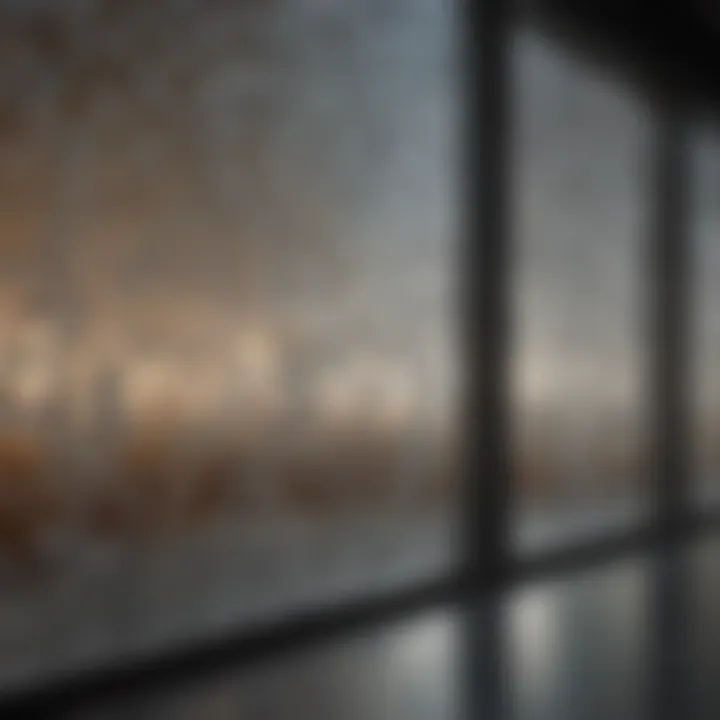
ArtScape etched glass is a specialized glass product where intricate patterns or images are etched into the surface. This process allows for various designs ranging from simple lines to complex artworks. The result is an elegant finish that diffuses light while maintaining privacy.
The characteristics of Artscape etched glass are noteworthy. It is durable, offering resistance to scratches and harsh weather conditions. The etching process does not compromise the strength of the glass.
Moreover, the glass is customizable. Homeowners can choose designs that reflect personal taste or complement existing interiors. Additionally, it can be produced in a variety of textures and thicknesses, providing versatility in application.
Historical Evolution
The history of etched glass can be traced back centuries. Originally, techniques such as sandblasting were developed. These methods were employed primarily in decorative glassware and architectural applications.
In contemporary times, Artscape etched glass evolved significantly. The introduction of new technologies allowed for more detailed patterns and designs. The arrival of laser etching revolutionized the process. This technique provides precision and flexibility, enabling designers to experiment with complex patterns that were once impractical.
Today, Artscape etched glass is celebrated not only for its aesthetic qualities but also for its functionality. It has found its way into modern architecture, enhancing both the beauty and utility of structures. Designers and homeowners alike appreciate the timeless appeal of etched glass in their projects.
"ArtScape etched glass is not just a design element; it's a statement of individuality and functional artistry."
Technical Aspects of Etching
Etching is a sophisticated technique that plays a crucial role in the creation of Artscape etched glass. Understanding the technical aspects of etching reveals the complexity and craftsmanship involved. Different techniques yield distinct aesthetic results and functional properties, giving designers a variety of options to choose from. By examining these technical components, one can appreciate the artistry and the practical benefits that etched glass offers in design.
Materials Used
The materials used in etching glass are essential for determining the quality and effect of the final product. High-quality glass, such as float glass, is often the starting point. Its clarity and smooth surface allow for precise etching and clear images. Other materials include specific etching compounds that vary based on the technique, like sand or acid, and even specialized machinery like lasers.
The importance of material selection cannot be understated. The right glass and etching materials enhance durability and visual appeal while ensuring that the designs withstand elements such as UV light and moisture over time.
Techniques of Etching
Sandblasting
Sandblasting is a popular etching technique that uses high-pressure air to propel fine sand particles against the glass surface. This method creates a frosted appearance, providing a cloudy yet elegant look.
The key characteristic of sandblasting lies in its versatility. It allows for complex designs to emerge with depth and texture. Its beneficial nature stems from its ability to cover large glass areas efficiently, making it a preferred choice for both artistry and practicality.
A unique feature of sandblasting is the easy manipulation of pressure and distance, which can significantly alter the final texture. However, it can be labor-intensive and may require an extensive setup.
Acid Etching
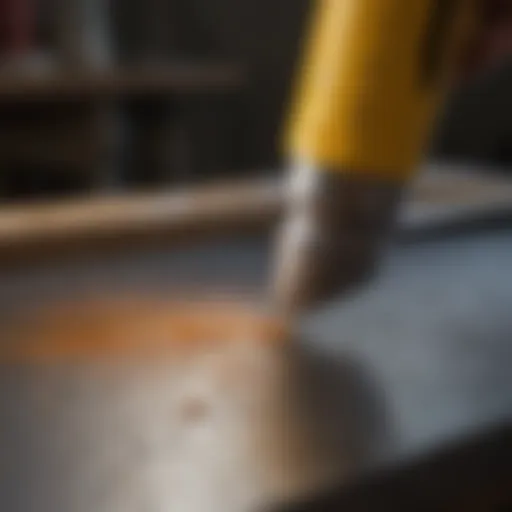
Acid etching utilizes chemical reactions to create designs on the glass surface. This technique involves applying a stenciled coating and then immersing the glass in an acid solution, resulting in a clean, precise etch.
The key characteristic of acid etching is its ability to produce very fine details that are hard to achieve through other methods. This makes it a popular choice for intricate designs or delicate patterns. However, it is also essential to handle acids with care, as safety is a priority in any etching project.
A unique feature of acid etching is its permanence. Once the glass is etched, it is almost impossible to remove the pattern without replacing the glass itself, which can be viewed as both an advantage and a disadvantage.
Laser Etching
Laser etching involves using a high-energy laser beam to vaporize the glass surface, resulting in detailed designs at a high level of precision. This modern technique has gained traction due to its accuracy and speed.
The key characteristic of laser etching is its ability to create complex designs quickly. It is a beneficial technique in terms of rapid production, making it suitable for projects with tight deadlines. The laser's precision minimizes waste and maximizes efficiency.
Additionally, laser etching allows for multi-layer designs, whereby different layers of etching yield a 3D effect, enhancing the depth and visual interest of the glass product. However, it can be more costly than traditional methods and requires specialized equipment.
Finishing Processes
Finishing processes play a vital role in enhancing the aesthetic quality of etched glass. These steps typically involve cleaning, polishing, and applying protective coatings to ensure longevity and clarity. The final touches can make a significant difference in the overall presentation and durability of the product, appealing particularly to housewives and homeowners aiming for both beauty and functionality in their spaces.
Applications in Architecture
The use of Artscape etched glass in architecture has gained significant traction in recent years. Its versatility offers aesthetic appeal alongside practical benefits for various structures. Architects and designers find this material particularly valuable because it can adapt to different environments, enhancing both form and function. The customization options available enable architects to create unique visual experiences while also addressing functional needs in spaces.
Facades and Windows
Etched glass facades are a striking choice in modern architectural design. They provide not just privacy but also an opportunity for creative expression. Using Artscape etched glass on building facades allows for the play of light through intricate designs, creating dynamic visual effects at different times of the day.
In addition to aesthetics, etched glass facades contribute to energy efficiency. These treatments can reduce glare while still allowing natural light into the building. This balance improves comfort levels for occupants, making a significant impact on energy consumption.
A major advantage in using etched glass for windows is its durability. Unlike traditional glass, it withstands environmental stressors, including harsh weather. As cities continue to grow, the durability of the materials used in construction becomes crucial to ensure longevity.
Partition Walls
Partition walls made of Artscape etched glass serve dual purposes. They partition spaces while maintaining visual connectivity. This approach is essential in open-plan designs, where the goal is to create distinct areas without compromising openness. These glass walls can feature delicate patterns, enhancing the overall décor of a space while providing sound dampening properties, crucial for both homes and commercial environments.
Another benefit is the ability to customize the designs on etched glass partition walls. Homeowners can create unique layouts that reflect their style while useful in commercial places, such as offices, to build a cohesive brand identity. Clients often express a preference for this material, as it enables personalization within their workspaces regardless of the industry.
Skylights
Skylights utilizing Artscape etched glass present a well-rounded solution for natural lighting. They bring daylight into spaces that may otherwise feel cramped or dark. The benefits of natural light in enhancing mood and productivity are well documented. Moreover, the etching adds a level of artistry that elevates standard skylight design.
This glass option also adds an extra layer of energy efficiency. By controlling the amount of light entering a room, it reduces reliance on artificial lighting. The decorative patterns create interesting shadows and textures throughout the day, transforming the space into a dynamic environment.
Interior Design Applications
The role of Artscape etched glass in interior design is both dynamic and transformative. It is not just a means of aesthetic enhancement; it adds functionality and value to various spaces within homes. As homeowners seek ways to personalize their environments, etched glass serves as an attractive solution that bridges art and utility. Its usage in decorative elements and functional installations represents a growing trend that injects character and sophistication into interiors.
Decorative Elements
Decorative elements using Artscape etched glass can dramatically alter the visual appeal of a space. The etched patterns and designs often act as focal points, drawing attention and inspiring conversation. These glass articles range from elegant mirrors to intricate partition screens and custom panels, each capable of introducing unique textures and shadows.
Using etched glass as decorative elements has multiple benefits:
- Personalization: Homeowners can choose designs that reflect their style and personality, making the space more inviting.
- Light Diffusion: The translucent quality of etched glass enhances natural light flow while maintaining privacy, creating bright and airy spaces.
- Versatility: This material can be adapted to various styles, from contemporary to traditional, allowing for seamless integration into existing decor.
For instance, a decorative panel featuring a custom floral design can serve as a stunning backdrop in a dining area, enhancing the overall ambiance while also acting as a conversation piece. More than just attractive items, these elements can transcend functionality by creating a narrative within the space.
Functional Installations
On the other hand, functional installations of Artscape etched glass provide practical benefits that complement aesthetic considerations. Items like shower doors, cabinet fronts, and room dividers showcase the capability of etched glass to serve critical functions while enhancing the space's beauty.
Benefits of utilizing etched glass in functional installations include:
- Durability: Etched glass is robust and can withstand daily wear and tear, making it a suitable choice for high-traffic areas.
- Maintenance: The easiness to clean and maintain etched glass ensures longevity without compromising its polished look.
- Acoustic Properties: Certain designs can improve sound acoustics within a space, making it quieter and more pleasant.
For example, an etched glass room divider can effectively separate spaces in an open-plan home, providing necessary privacy while keeping the area visually connected. This ensures that function is not sacrificed for style, enabling homeowners to achieve their design aspirations seamlessly.
Consider how Artscape etched glass fits into your vision. Engaging with designers or artisans can lead to customized solutions tailored specifically to your needs, enhancing both the functionality and beauty of your interiors.
Cultural Implications of Etched Glass

Etched glass is not merely a decorative element; it carries significant cultural weight that can enhance spaces while embodying deeper meanings. The unique character of Artscape etched glass offers an insight into social values, artistic expression, and historical traditions. By understanding the cultural implications, homeowners and designers can create environments that resonate on both personal and communal levels.
Symbolism and Interpretation
The symbolism of etched glass often varies across cultures. For instance, in many cultures, motifs etched into glass may represent themes of purity, clarity, and protection. These themes reflect the material itself, which can be both transparent and intricate, allowing light to pass through in unique ways.
- Artistic Expression: Engaging artists can lead to locally inspired designs that reflect the community's heritage. Symbols often tell stories, allowing viewers to connect with their environments in meaningful ways.
- Personal Interpretation: Each piece serves as a canvas for personal expression. Homeowners may select designs that speak to their values or aspirations, turning spaces into extensions of themselves.
- Cultural Narratives: Relying on culturally significant motifs can create a dialogue between spaces. These narratives often promote understanding and appreciation of diversity among homeowners and visitors alike.
Global Perspectives
Etched glass art spans the globe, yet its expression differs from one region to another. The way communities utilize this medium provides insight into local customs and preferences.
In Europe, for example, traditional designs draw from centuries of artistic heritage and often showcase natural themes, like flora and fauna. Asian designs tend to favor minimalism and subtlety, focusing on serenity and balance. In contrast, contemporary trends in North America might emphasize abstract forms or personalized elements, reflecting individualism.
- Adaptation of Styles: Artisans around the world adapt their techniques and styles to recreate their cultural narratives. These adaptations encourage cross-cultural exchanges, enriching the global art landscape.
- Local Practices: Each region has its practices regarding glass adaptation. In some cultures, etched glass is used in religious spaces to create a sacred atmosphere. In others, it serves as a tool for social engagement in public areas.
- Sustainable Techniques: As sustainability rises in importance, many global artists are turning to eco-friendly materials and methods. This shift illustrates a collective awareness that transcends cultural borders, focusing on shared environmental responsibility.
"Art can transform the ordinary into the extraordinary. Etched glass serves as a bridge across cultures, showcasing both beauty and meaning."
Understanding these cultural implications allows for a more profound appreciation of etched glass as an art form. For those involved in design and home aesthetics, considering how these elements interact with one's space can foster a more fulfilling and personalized environment. Homeowners should take time to explore designs that resonate culturally, connecting their home to a larger narrative.
Case Studies and Notable Projects
The realm of Artscape etched glass provides ample opportunities for innovation and creativity. Examining case studies and notable projects offers insights into real-world applications and impacts of this medium. Here, we will explore how etched glass is used across various settings and the benefits it brings to commercial spaces and public installations.
Commercial Spaces
In commercial environments, the application of Artscape etched glass is often seen as an effective way to blend functionality with aesthetics. Businesses utilize etched glass to enhance their branding and create a captivating atmosphere for customers. One notable project is the Hotel Indigo in San Diego. The lobby features large etched glass panels that integrate branding into the design. This not only serves as an inviting focal point but also helps in achieving a level of privacy while maintaining transparency.
Benefits of using etched glass in commercial spaces include:
- Enhanced Brand Identity: Etched graphics or logos can visually communicate a company's values and mission.
- Natural Lighting: These installations maximize natural light while offering a degree of separation between spaces, effectively blending openness with privacy.
- Durability: Etched glass is less prone to scratches and wear over time compared to other materials, ensuring longevity in high-traffic areas.
As more businesses yield to bespoke designs, the role of etched glass has expanded.
Public Installations
Public installations of Artscape etched glass often encapsulate community spirit and cultural narratives. Such projects transform the mundane into something inspiring. A prominent example is the Etched Glass Panels at the Vancouver International Airport. Each panel tells the story of the region, depicting local flora and fauna through intricate etching. This not only welcomes travelers but also educates them about the locale.
In public installations, the advantages include:
- Cultural Relevance: Etched visuals can foster a sense of belonging and pride within the community.
- Functional Art: Public glass installations often serve functional purposes, like wayfinding and information dissemination, while also being aesthetically pleasing.
- Interactive Features: Sometimes, they incorporate elements that encourage engagement from the public, enhancing the overall experience.
"Art is not what you see, but what you make others see." - Edgar Degas
By studying these case studies, we can appreciate the transformative power of etched glass and recognize its potential in future projects.
Sustainability Considerations
Sustainability is increasingly becoming a defining characteristic in today’s design choices. For Artscape etched glass, this consideration is particularly significant. As the architectural and interior design industries continue to evolve, the emphasis on environmentally-friendly materials and processes has intensified. Consumers now lean toward products that not only fulfill aesthetic requirements but also align with ecological values. Thus, understanding the sustainability aspects of Artscape etched glass becomes essential for anyone looking to make informed decisions.
Material Sourcing
One of the first steps in ensuring sustainability with etched glass is the responsible sourcing of materials. The production of Artscape etched glass begins with raw materials such as silica sand, soda ash, and limestone. Sourcing these materials from sustainable suppliers can significantly reduce the overall environmental impact.
Additionally, many manufacturers are increasingly opting for recycled content in their glass products. Using recycled glass not only minimizes waste but also consumes less energy compared to producing new glass from virgin materials. This process also reduces the carbon footprint associated with transport and processing.
When selecting sources, look for manufacturers that hold certifications or adhere to industry standards. This practice promotes not only environmental responsibility but also social accountability in sourcing decisions.
Lifecycle Assessment
The lifecycle assessment (LCA) of any product illustrates its environmental impact throughout all stages: from raw material extraction to disposal. For Artscape etched glass, conducting an LCA can provide invaluable insights into the sustainability of the product.
- Production: Assessing energy use during the manufacturing process is crucial. Efficient processes that utilize renewable energy sources can lessen the impact.
- Usage: Etched glass is generally durable and maintenance-free, which means that its lifespan is long. This durability translates into fewer replacements and lower overall resource consumption in the long run.
- End-of-Life: Understanding how Artscape etched glass can be recycled is vital. Glass is 100% recyclable. Proper disposal and recycling options can significantly minimize landfill waste.
By considering the entire lifecycle, one can identify areas for improvement and maximize the sustainability of their design choices.
"Sustainability is not just a trend; it’s a responsibility that every designer and homeowner should uphold to protect our environment for future generations."
In summary, incorporating sustainability considerations into the choice of Artscape etched glass elevates the entire design journey. Not only does it reflect a commitment to environmental stewardship, but it also enhances the overall value of the project, appealing to like-minded homeowners who care about both aesthetics and sustainability.
Trends in Artscape Etched Glass
Etched glass has seen a rise in popularity, particularly in home and commercial design. Understanding these trends is essential not just for designers but also for homeowners seeking to enhance their spaces. The shifting preferences illustrate how etched glass can merge both artistic qualities and functional aspects. The blend of these elements ensures that etched glass remains a relevant choice in modern architecture and interior design.
Contemporary Styles
Current trends in etched glass design exhibit a range of styles that reflect evolving aesthetics. One notable direction is the minimalist approach. This style emphasizes clean lines and simple patterns. Homeowners prefer understated designs that do not overwhelm the overall decor.
Another emerging style is geometric patterns. These patterns create a sense of depth and structure. They can be effectively used in partitions or decorative panels, enhancing the aesthetics of a space.
Color has also entered the realm of etched glass. Use of subtle hues or colored glass can transform a simple design into something unique. This trend resonates well with homeowners looking to create focal points in their environments. Variants like frosted glass with colored etching add a layer of customization and personalization.
Innovations in Technology
The technological advancements in etched glass production have opened doors to new possibilities. Laser etching has gained traction due to its precision. It allows for intricate designs that traditional methods struggle to achieve. This method offers consistency and the ability to replicate designs accurately.
Acid etching, although an older technique, is evolving. Improved safety measures have made it more appealing. Homeowners appreciate the beauty it creates, as it can produce soft transitions and textures.
Sustainability is another focal point. More manufacturers are utilizing eco-friendly materials and processes. This innovation resonates with environmentally-conscious homeowners, adding an ethical dimension to their choices.
"By staying informed about trends, homeowners can select etched glass that not only beautifies their spaces but also aligns with contemporary standards and personal values."
As these trends illustrate, Artscape etched glass reflects current tastes and technologies. It is vital to stay aligned with these developments for both aesthetic and functional advantages.
Choosing Etched Glass for Projects
Choosing etched glass for your projects is a pivotal decision that can significantly enhance both the aesthetic and functional aspects of a space. The versatility of Artscape etched glass makes it a preferred choice in various applications, be it in architecture, interior design, or custom decor. Etched glass offers many advantages, though there are key factors you must consider before making your selection.
Factors to Consider
When selecting etched glass, several factors should be prioritized. These considerations help you align your choices with your project goals.
- Purpose: Understand the primary use of the etched glass. Is it for decorative purposes, privacy, or a combination of both? Knowing this can guide the design.
- Environment: Assess the location where the glass will be installed. Some areas may require additional durability to withstand weather elements, while others focus on aesthetic appeal.
- Design Compatibility: The etched glass design should complement the overall style of the interior or exterior space. Consider the existing color palette, textures, and architectural features.
- Safety and Regulation Compliance: It is crucial to ensure that the selected glass complies with safety standards. For example, tempered glass might be necessary in high-impact areas.
- Cost: Evaluate your budget. Etched glass can range widely in price based on thickness, design complexity, and installation style. Having a clear budget will help in making informed choices without compromising quality.
"Making well-informed decisions on glass selection can elevate the design quality of a project, ensuring both beauty and function."
Working with Designers
Collaborating with designers can bring expert insight into choosing the right etched glass for your project. Designers not only offer aesthetic advice but also ensure practical solutions are integrated into your designs. Here are some benefits of working with professionals:
- Tailored Designs: Designers can create bespoke designs that are perfectly suited to the specific requirements of your space.
- Technical Expertise: Their knowledge about glass properties and installation techniques can help avoid common pitfalls, saving time and resources.
- Project Management: A designer can manage the overall project timeline and coordinate between various contractors, streamlining the process.
- Creative Input: With their artistic vision, designers can suggest innovative solutions and trends in etched glass, which can enhance the overall result.
Future Outlook for Etched Glass
The future of etched glass, particularly in the context of Artscape, holds significant potential. As design practices evolve, etched glass may see a notable rise in popularity due to its versatility and uniqueness. The combination of art and function gives this medium a distinct edge in both residential and commercial projects. Such qualities enhance its value in design landscapes, encouraging architects and interior designers to incorporate it more frequently.
One critical element to consider in the future of etched glass is sustainability. As consumers grow increasingly aware of environmental issues, the demand for sustainable building materials is likely to rise. Etched glass can align with these values by being both environmentally friendly and reusable. This aspect positions it favorably in the marketplace.
In addition to sustainability, the aesthetic qualities of etched glass offer endless possibilities for creativity. Designers can customize etched patterns, enabling them to execute unique visions for any space. This flexibility differentiates etched glass from other materials, making it an attractive option for homeowners seeking individuality.
The flexibility of design and material sustainability are driving forces in the future of etched glass, influencing both market trends and consumer preferences.
Market Predictions
Market predictions for Artscape etched glass indicate a robust future driven by increased applications in the architecture and interior design fields. Consumer preferences are shifting toward more customized solutions. This demand will likely promote innovation in production techniques and design offerings.
Furthermore, as urbanization continues to rise, the necessity for creative space solutions is increasing. Etched glass can play a pivotal role in addressing these challenges through its use in space optimization and privacy while allowing light penetration. We can expect to see a wider acceptance of etched glass in commercial projects, specifically in areas such as office partitions and decorative lobby installations.
Innovation Trajectory
The trajectory of innovation in etched glass technology is promising. The development of new techniques, such as digital printing and enhanced sandblasting equipment, is expanding the design possibilities. Such advancements make it easier to create intricate designs while maintaining the durability required for both indoor and outdoor applications.
In addition, as manufacturing processes improve, costs may decrease, making etched glass more accessible to a broader audience. This trend could lead to wider adoption among homeowners who appreciate unique aesthetics but may have limited budgets.