Understanding Round Carbon Monoxide Detectors: A Comprehensive Guide
Intro
Overview of Topic
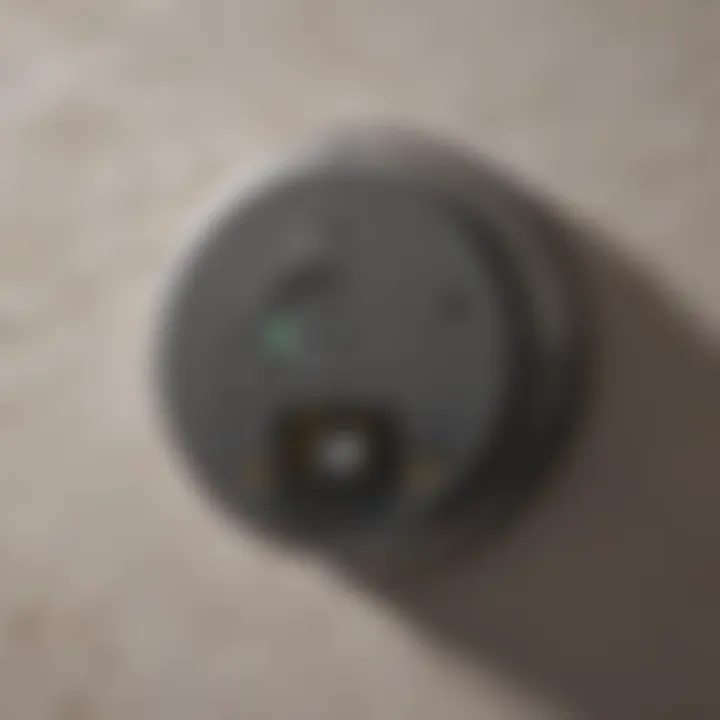
Round carbon monoxide detectors are pivotal components in modern home safety systems. While often overlooked, they play a crucial role in detecting the silent, invisible threat of carbon monoxide gas. Defining carbon monoxide and detailing how these detectors function are essential for understanding their effectiveness.
These devices are designed to detect the presence of carbon monoxide. This gas can result from incomplete combustion of fuels like gas, wood, and oil. When neighbors are unaware of their home’s source of carbon monoxide, these detectors stand as the first line of defense against serious harm, including poisoning and death.
The importance of using round carbon monoxide detectors cannot be overstated. According to the U.S. Centers for Disease Control and Prevention, over 400 deaths occur annually due to non-fire carbon monoxide poisoning. By incorporating these tools into residential spaces, homeowners significantly increase safety for their families.
Common Challenges and Solutions
Common Issues
As with any safety device, homeowners often face several obstacles regarding the installation and use of round carbon monoxide detectors. Common challenges include:
- Improper Placement: Many homeowners place detectors in locations where experts do not recommend.
- Neglecting Maintenance: Routine checks and battery changes are vital but frequently forgotten.
- False Alarms: Some detecters may emit false alarms due to cooking or minor fuel combustion.
Solutions and Tips
To overcome these challenges, consider the following solutions:
- Installation Guidelines: Place detectors near bedrooms for optimal effectiveness. Follow the manufacture’s installation advice to ensure correct placement.
- Regular Maintenance: Schedule bi-annual checks. Change batteries as recommended and make note of the shelf life of the units, often specified in years.
- Understanding Alerts: Familiarize yourself with the types of alarms your detector can sound, distinguishing between false alarms and genuine emergencies.
Product Recommendations
When choosing round carbon monoxide detectors, some brands have exemplary reputation and are technologically advanced.
One recommended unit is the Kidde Nighthawk Carbon Monoxide Detector. It offers reliable detection with a digital readout, allowing you to see the level of carbon monoxide in your home.
Features include:
- LED Display for clear information.
- Battery Backup, ensuring it operates during power outages.
Another solid option is the First Alert CO605. This product stands out for its slim design that seamlessly blends into most rooms while maintaining performance.
These devices understand that aesthetics should not compromise safety. Each of these units reflects both technology and practicality best suited to meet your family’s unique needs.
Step-by-Step Guides
Practical Steps for Installation
- Select the Right Location: Choose near sleeping areas, ensuring within 15 feet of each room but away from any potential source of error like bathrooms or kitchens where steam or cooking might trigger false alerts.
- Mount the Detector: Follow the included instructions. Use the tools provided or your own as needed to get a firm lodging.
- Test Regularly: Once installed, press the test button to confirm operation. Make this a routine.
- Document Maintenance: Create a maintenance calendar reminder for battery replacement or entire product checks. Notebook or digital app, choose what works!
“Carbon monoxide poisoning often goes unnoticed until symptoms appear, making detectors essential for safeguarding lives.”
Preface to Carbon Monoxide Detectors
Definition and Importance
Carbon monoxide detectors play a critical role in home safety. These devices are designed to identify the presence of carbon monoxide, a colorless and odorless gas that can be potentially lethal. Carbon monoxide is produced through the incomplete combustion of fuels such as gas, wood, and charcoal. Direct exposure to this gas, even in small quantities, can result in severe health issues or, in the worst-case scenario, death.
Having a carbon monoxide detector in homes not only ensures alertness regarding CO levels but also provides knowlwdge on other surrounding hazards. By instantly detecting this hazardous gas, the detector initiates an alarm that informs the residents, allowing them to evacuate and seek fresh air. Moreover, many of these devices feature additional functions, making them indispensable in any residence.
Overview of Carbon Monoxide Risks
The risks posed by carbon monoxide extend beyond mere inconvenience. According to the Centers for Disease Control and Prevention (CDC), approximately 400 people die from unintentional carbon monoxide poisoning each year in the United States. This statistic exposes the urgent need for reliable detection mechanisms in homes. Comon csources of carbon monoxide include furnaces, water heaters, fireplaces, and vehicle exhaust.
Effects of Carbon Monoxide Exposure:
- Acute Effects: Short-term exposure can lead to headaches, dizziness, and confusion.
- Severe Poisoning: High levels may cause vomiting, unconsciousness, or even death within minutes.
Achieving awareness about CO risks is essential. Misuse of fuel-burning stoves in enclosed spaces, failing to maintain home heating equipment, or regular car idling in garages can lead to increased risks of exposure. Therefore, understanding what carbon monoxide is and its dangers is a fundamental step towards ensuring safety.
Important Note: Families should regularly check and maintain carbon monoxide detectors to ensure functionality.
Characteristics of Round Carbon Monoxide Detectors
Understanding the characteristics of round carbon monoxide detectors is essential in mastering their functionality and effectiveness. These aspects contribute significantly to creating a safer environment in homes. Their design, sensor technology, and power sources all play a vital role in how well these devices execute their purpose—detecting dangerous levels of carbon monoxide before they present a serious threat to occupants.
Design and Structure
The design and structure of round carbon monoxide detectors are paramount, influencing both performance and ease of installation. Most detectors follow a round format, which not only fits a broader range of interior styles but also facilitates efficient air circulation around the sensor. This characteristic helps in quick detection of carbon monoxide, as the sensor needs direct access to the air.
Generally, these devices come with a plastic casing that protects delicate internal components while being lightweight and easily mountable. Many brands prioritize streamlined design to allow their products to blend seamlessly into residential decor.
Additionally, the smaller form factor can minimize both visual intrusion and installation complexity. Properly verifying building codes and guidelines during installation is important, as specifics on mounting can affect detector efficacy.
Sensor Technology
Sensor technology is vital in circular carbon monoxide detectors, as these detectors utilize advanced materials and methods for reliable readings. Various types of sensors are in common use, but electrochemical sensors are popular due to accuracy and long life. This technology works by reacting chemically with carbon monoxide, producing a measured electrical signal reflective of gas concentrations.
Another approach includes semiconductor sensors, which tend to be more affordable but may require replacement sooner than electrochemical types. Understanding these distinctions aids in selecting a detector suitable for various residential settings. Highly sensitive sensors can save lives, especially in homes where occupants may have diminished awareness of danger.
The efficiency of detection devices significantly reduces the risk of carbon monoxide poisoning, a danger that often goes unnoticed until it's too late.
Power Sources
Power sources in round carbon monoxide detectors affect not just functionality but also practicality and reliability. Most detectors derive power from either primary electricity or batteries. Hardwired models connect to the electrical system of the home, offering a steady power supply which eliminates the need for frequent battery changes. However, in the event of a power outage, these models become inoperable.
Battery-operated detectors provide flexibility in installation without reliance on household wiring. Many modern units employ lithium batteries, extending their lifespan and reducing the frequency of interventions. Some units also incorporate features like low-battery warnings, alerting homeowners when replacements are necessary. In recent years, manufacturers have developed rechargeable options, which enhance sustainability while ensuring detection capabilities are maintained有無.
In assessing detectors, understanding these power source characteristics establishes a foundation for ensuring long-term safety and functionality in homes.
Installation Guidelines
Installation of round carbon monoxide detectors is crucial for ensuring effective monitoring and protection within residential spaces. Proper installation not only enhances functionality but also elevates the overall safety measures of a home. Understanding the nuances of installation guides helps in visioning a safer living environment and can significantly reduce the risks associated with carbon monoxide exposure.
Optimal Placement Strategies
Strategic placement of round carbon monoxide detectors is essential for their efficiency in detecting harmful levels of carbon monoxide. Here are a few considerations when determining the placement of these devices:
- Proximity to Sleeping Areas: Install detectors near sleeping areas. This ensures the sound alarms will reach the household members effectively during critical situations.
- Avoidance of High-Humidity Areas: Humid spaces like bathrooms can affect the equipment’s performance. Detectors should not be installed directly within these regions.
- Height Recommendations: Carbon monoxide is lighter than air and therefore can dissipate at better distances if placed at or slightly above head height.
- Clear Pathways to Entry Points: Ensure that the devices are installed where fumes from fuel-burning appliances have a clear path to core ventilation points, minimizing interference.
The combination of placing the devices effectively will ensure they accurately detect harmful gas concentrations and possibly save lives.
Remember: The best place for a detector is near sleeping areas. The alarm should be loud enough to wake would-be victims in an emergency situation.
Required Clearances and Specifications
Proper installation guidelines recommend observing specific clearances and specifications that are useful to maximize detector performance:
- Distance from Appliances: Maintain at least 10-15 feet from gas appliances. Proximity can risk triggering false alarms if gas burning fuels are used in close range.
- Consider Natural Airflow: Avoid installing detectors near air vents, windows, or doors, as rapid airflow can influence the accuracy and responsiveness of these detectors.
- Mounting Height: Follow the manufacturer's guidelines. Most alarms can be ceiling-mounted or wall-mounted, typically at least 5 feet off the ground to work effectively.
By adhering to these installation clearances and specifications, homeowners will optimize the functionality of their round carbon monoxide detectors, ultimately fortifying home safety for family members.
Maintenance and Testing Protocols
Proper maintenance and regular testing of round carbon monoxide detectors are pivotal to ensure their functionality and reliability. These protocols enable homeowners to protect their spaces efficiently from the dangers posed by carbon monoxide. This section elucidates the essential steps needed to guarantee that these detectors remain operational and effective while highlighting the benefits and considerations regarding maintenance and testing.
Routine Testing Procedures
Routine testing of round carbon monoxide detectors should be a prioritized practice to catch any failures before they become critical issues. Testing these devices commonly includes the trial of buttons or switches on the unit directly. Many detectors come equipped with a
Challenges in Performance
False Alarm Issues


The effectiveness of round carbon monoxide detectors can be adversely impacted by false alarms. These devices, designed to alert households to the presence of dangerous carbon monoxide, sometimes trigger without the actual presence of the gas. Factors contributing to false alarms can include low levels of gas malfunction, or sensors reacting to non-threatening agents such as smoke or certain substances in the environment.
The consequences of false alarms are significant. They can lead to unnecessary panic, cause distrust in the technology, and even result in unnecessary calls to emergency services. This element can deplete resources and in turn possibly overlook real emergencies.
To reduce the chances of false alarms, proper installation is vital. Users should ensure that their device is not located in areas where routine activities might cause hazardous gases to interfere, such as kitchens or near open flames. Furthermore, opting for high-quality detectors and understanding their basic features can also mitigate such performance challenges.
Environmental Factors Affecting Sensitivity
Environmental conditions can play a crucial role in the accuracy of round carbon monoxide detectors. The application of various sensors influences how they sense and respond to CO levels, which in turns challenges performance in specific spaces. For instance, high levels of humidity or fluctuations in temperature can affect chemical reactions inside the detector and potentially yield inaccurate readings.
Vibrations from nearby appliances or structural components can interfere with the sensors as well. It's important to account for these environmental aspects during the installation and positioning of the detectors.
Implementing periodic testing can enhance understanding about how these factors affect sensitivity. Regular inspections by the household to els sure the correct functionality of their round CO detectors will promote consistent reliability. Moreover, users should be aware of any significant changes in the environment, such as renovations, movable appliances, or increased occupancy, which might impact detector performance over time.
Proper understanding of the challenges in performance ensures that users can maintain their detectors effectively and respond appropriately to real warnings.
Regulatory Standards and Compliance
Regulatory standards and compliance are crucial in the realm of carbon monoxide detection. The safety of homes and their occupants largely hinges on the implementation of these frameworks. They ensure that carbon monoxide detectors are reliable, efficient, and meet specific performance criteria. Understanding these standards helps users buy the right devices and maintain optimal function over time.
Governments and safety organizations set guidelines that dictate design, technology, and testing for carbon monoxide detectors. These initiatives spring from the necessity to reduce the risk of poisoning incidents as carbon monoxide is a silent threat. Having such regulations ensures that devices can function correctly under various conditions and provide timely alerts.
Additionally, compliance is not about merely choosing the right equipment; it also has implications for responsible household management. Homes with compliant devices might enjoy lower insurance premiums as companies recognize their commitment to safety. This subtle economic reward goes hand-in-hand with the peace of mind gained, establishing that thoughtful investments hook into safety so gracefully.
Guidelines from Authorities
Various national and international bodies publish guidelines to regulate carbon monoxide detectors. Agencies like the U.S. Consumer Product Safety Commission (CPSC) and Underwriters Laboratories (UL) play prominent roles in shaping protocols that guide businesses and inform consumers.
- Local building codes: These often mandate the presence of carbon monoxide detectors in residences, especially in new buildings.
- Detectors' positioning: Guidelines dictate installation heights; this ensures maximum detection efficacy. Detectors need to be placed near sleeping areas and away from potential contamination sources.
- Testing and maintenance intervals: Authorities recommend bi-annual tests of devices and timely replacement, depending on the manufacturer’s instruction.
Following these guidelines entails recognizing that safety is not a one-time effort. Instead, it requires continuous involvement and vigilance.
Importance of Certification
Certification of carbon monoxide detectors holds significant value for both manufacturers and consumers.
The process guarantees that products meet specific safety performance measures prior to reaching the market. Devices achieving certification often carry symbols of quality indicating adherence to established protocols. This assurance prompts informed decision-making and enables buyers to trust in the equipment they acquire.
Some prominent benefits of certified detectors include:
- Guaranteed quality: Non-certified devices might not be effective, resulting in false security.
- Enhanced trust: Consumers are more inclined to purchase a product that displays recognized certification marks.
- Future compliance remains assured: As standards evolve, certified devices often undergo continuous evaluation, showcasing upfront commitment to their users.
Staying informed on the credentials of carbon monoxide detectors greatly strengthens the effort to maintain safety at home. Each intelligent choice aids in sustaining a safer environment for all occupants.
Cost Considerations
Understanding the economic aspect of round carbon monoxide detectors is crucial. The decisions made about purchasing and maintaining these devices can impact safety as well as the family budget. In the following sections, critical elements and considerations regarding costs will be explored, focusing on initial investments and long-term financial implications.
Initial Purchase and Installation Costs
The first step in acquiring a round carbon monoxide detector lies in recognizing the initial financial outlay. The purchasing price can vary significantly based on factors such as brand, feature set, and sensor technology. Basic models may be available for a surprisingly low price, but investing in advanced technology, where features like integrated smart alerts or enhanced detection capabilities, may provide more long-term value.
Key considerations for initial costs include:
- Brand Reputation: Some brands, like Kidde and First Alert, are known for durability and reliability.
- Technology Type: Some detectors utilize electrochemical sensors, while others might use semiconductor sensors.
- Features: You may find models with digital readouts or added functionalities that can significantly affect pricing.
After obtaining the detector itself, installation costs also require consideration. Homeowners may opt for professional installation or choose to undertake this task themselves. The latter can save on labor costs, but it is essential to ensure that the installation complies with local regulations to function effectively.
Long-term Financial Implications
Once the initial costs are accounted for, the focus shifts to the long-term financial aspects associated with round carbon monoxide detectors.
Considerations for ongoing expenses include:


- Maintenance: Regular maintenance ensures the detector remains operational. This can translate to periodic battery replacements and self-tests for functionality.
- Compatibility with Smart Technologies: As home automation technologies evolve, buying detectors that integrate with smart home systems can affect future expenses. However, they often minimize potential risk, which can save money on emergency responses.
- Liability Risks: Keeping homes equipped with reliable carbon monoxide detectors protects against potential liability issues that may arise from CO exposure. Insurance companies often favor homes that maintain good safety records.
In summation, it is critical to view the investment in round carbon monoxide detectors not simply in terms of immediate costs but rather with an eye toward long-term efficiency and safety. Keeping a household safe extends beyond mere installation; rather, it involves ongoing attention to proper maintenance and potential savings related to homeowner liability.
"The first step to safety is always your investment in monitoring devices such as carbon monoxide detectors. Understanding costs allows you to make informed choices."
Through careful consideration of these financial aspects, homeowners can not only protect their families but also stabilize their finances over time.
Technological Advancements
Technological advancements in carbon monoxide detectors have significantly enhanced their functionality and effectiveness. Round carbon monoxide detectors are no exception to this trend. The integration of new technologies offers several benefits, including better detection accuracy, streamlined installations, and increased user engagement. Recognizing these advancements helps homeowners select products that will best protect their living spaces and families.
Emerging Technologies in Detection
Recent developments in sensor technology have led to more sensitive and reliable detection mechanisms. One such improvement is the adoption of bi-directional sensors. These devices can sense carbon monoxide in multiple directions, allowing for a broader range of coverage within the space. Enhanced sensors low the chances of missed detection, making an immediate response more likely during higher risk situations.
Moreover, modern carbon monoxide detectors often include integrated data logging capabilities. These capabilities enable the device to track and bould trends about CO levels over time. Such trends can inform users about patterns in their environment and highlight potential ongoing issues, allowing them to take preventive action sooner. Tools with intelligent analytics capabilities can further aid detection, learning from past incidents, thus offering improved readiness.
Features of Emerging Technologies:
- Bi-Directional Sensors: Increase the area covered and minimize chances of missing detections.
- Data Logging: Tracks CO levels and behaviors, providing insights for periodic evaluations.
- Adaptive Intelligence: Adjusts sensitivity based on past performance in specific environments, ensuring reliability.
Integration with Smart Home Systems
Home automation has made significant strides in recent years, and carbon monoxide detectors are now often designed to integrate with smart home systems. This integration enhances both functionality and convenience for users. For example, detectors can be synchronized with smart home hubs like Samsung SmartThings or Google Home. This communication allows the detectors to interface with other security measures in the home, such as alarms or notification systems.
When a carbon monoxide alarm triggers, the system could send mobile alerts to homeowners, ensuring a quicker response even when they are not physically in the vicinity. Additionally, remote monitoring enables users to observe the sensor status and CO levels on their smartphones, providing peace of mind whether they are at work or traveling.
Benefits of Integration:
- Real-Time Alerts: Immediate notifications through mobile devices enhance response times.
- Comprehensive Safety Networks: Teamed up with other smart devices, usability in likelihood enhances overall home safety.
- User Control: The power to monitor conditions at any time fosters a proactive approach towards safety.
Utilizing these advanced features and embracing the technologies reflect a significant step forward in how homeowners protect against carbon monoxide hazards. Leveraging technology ensures that safety is paramount while providing the user full capabilities for monitoring and data analysis.
User Education and Awareness
The Role of Instruction Manuals
Instruction manuals are often the primary resource for new users. These documents provide essential information about installation, testing, and troubleshooting. More than just a set of instructions, manuals detail the responsibilities of the user in ensuring the optimal functionality of the device. Clear guidance is vital because incorrect installations or experiments with the settings may pose serious safety risks.
Some key features of a well-structured instruction manual include:
- Clarity: Simple language that non-specialists can understand.
- Diagrams and Images: Visual aids that illustrate setup steps and maintenance checks.
- FAQ Sections: Appropriately addressing common user concerns offers confidence.
By consolidating such information, instruction manuals serve not only as guides but also as elimination tool for confusion.
Community Outreach Initiatives
Efforts on local and national fronts aim to build awareness about carbon monoxide safety. Community outreach programs can greatly enhance public appreciation of round carbon monoxide detectors. Hosted by fire departments, health organizations, or safety advocates, these initiatives educate homeowners.
Common activities in outreach programs include:
- Workshops: Demonstrating proper use and benefits of detectors.
- Distribution of Free Detectors: Offering detectors to low-income families helps build safer communities.
- Information Sessions: Teaching the signs and symptoms of carbon monoxide poisoning empowers individuals.
Through active participation in community efforts, societies collectively grasp the importance of fire safety measures. Perhaps what resonates mostly is that greater awareness translates to fewer preventable tragedies.
Effective education on carbon monoxide safety takes shared commitment to truly resonate with the community.
The incorporation of user education and community outreach contributes to cultural shifts concerning safety practices in everyday life. Informed individuals create safer surroundings, decreasing accidents that stem from negligence or lack of knowledge. It is this intertwined relationship between understanding, informing, and active vigilance that reinforces the protective role of carbon monoxide detectors.
Culmination
Understanding the functionality and importance of round carbon monoxide detectors is essential for homeowners and families alike. These devices serve a critical role in identifying invisible dangers, ensuring general safety in living spaces. The proper interpretation of technological advancements, installation methods, and regular upkeep leads to better reaction times in emergencies related to carbon monoxide poisoning.
Future Directions and Research
The future of carbon monoxide detection is promising, with ongoing research focusing on more sophisticated sensing technologies. Integrating artificial intelligence, for example, could allow units to better distinguish between genuine threats and false alarms caused by everyday household items such as gas stoves or heating systems. Advances in wireless technology are also exploring remote monitoring options. This elevations in cohesive smart home systems will likely provide owners with more efficient approaches to safeguarding their environments, leading to enhanced peace of mind. As consumers become more eco-conscious, the trend is toward energy-efficient devices allowing saving not only on the installation but also on long-term running costs.
Final Thoughts on Safety
In closing, the safety offered by round carbon monoxide detectors cannot be understated. Not only are they a necessity for identifying harmful levels of carbon monoxide, but their very presence advocates for a safety-first mentality within households. As homes become more technologically integrated and reliant on modern conveniences, vigilance will often fall to human oversight, stressing the importance of education around proper use and the value of awareness regarding potential threats. Every homeowner deserves the safety afforded by these devices, alongside increased understanding of maintenance and routine checks to ensure operational effectiveness. By taking proactive measures, families can greatly reduce their risk and ultimately, protect the ones they love from otherwise dire consequences.