
Rubber Paint: Benefits, Applications, and Selection Tips


Overview of Topic
Rubber paint is not just another option in the home improvement arsenal; it represents a culmination of innovative technology that transforms how surfaces are treated. Originally conceived for industrial applications, this versatile coating has made its way into homes, providing homeowners a solution that is unique in both durability and flexibility. It’s crucial to understand how this product operates compared to traditional paints, as that can affect both the choice of materials and the methods utilized for application.
The importance of rubber paint cannot be overstated in the context of contemporary home improvement. With its vibrant finishes and ability to withstand various weather conditions, this paint type offers a viable solution for both indoor and outdoor projects. Notably, its ergonomic properties make it a favored choice for surfaces that require constant wear, be it walls, floors, or even roofs. When high performance meets aesthetic appeal, it's no wonder rubber paint has become a household name.
Common Challenges and Solutions
Homeowners often encounter several issues when dealing with standard paints, such as peeling, cracking, or lack of adhesion. These problems can stem from inappropriate surface preparation, moisture retention, or even regional climate conditions. Here are some common challenges:
- Peeling and Cracking: Common in areas of high temperature or moisture.
- Poor Adhesion: Often results from inadequate cleaning before painting.
- Color Fading: Exposure to the sun can diminish hues over time.
To combat these issues, consider the following solutions:
- Select the Right Primer: Ensure this is compatible with rubber paint for better adhesion.
- Surface Preparation is Key: Clean surfaces thoroughly and inspect for sealants or old paint residues.
- Regular Maintenance: Schedule routine inspections, particularly for outdoor applications, to detect and address problems before they escalate.
Product Recommendations
Diving into the brand specifics can truly guide better purchasing decisions. The home improvement market offers various rubber paint products, but here are a few standout options worth considering:
- Rust-Oleum LeakSeal: This product exhibits exceptional water resistance, which is perfect for roofs or any exposed surfaces prone to moisture. The flexible formula adapts well to temperature changes.
- Dulux Weathershield: Known for its weatherproofing capabilities, this rubber paint works well on external walls, providing excellent protection from harsh elements.
- Krylon Tough Coat: This paint is remarkable for its rapid drying time, making it suitable for projects where time is of the essence.
- Benefits: Easy application, long-lasting, and available in multiple colors.
- Features: UV guard, mildew resistant, and comes in a vast color palette.
- Benefits: Dries within minutes, suitable for indoor and outdoor projects.
It’s advisable to consider your specific needs and project requirements before choosing a particular product.
Step-by-Step Guides
Implementing rubber paint successfully is about meticulous planning and execution. Here’s a structured approach to guide you:
- Preparation:
- Choose the Right Tools:
- Priming:
- Applying Rubber Paint:
- Enjoy the Result:
- Begin by cleaning the surface thoroughly. Use soap and water to wash away dirt and grime.
- For exterior projects, consider scraping off any flaking paint to ensure a smooth finish.
- Gather supplies: rollers, brushes, and a sprayer if needed. Make sure you have protective gear like gloves and a mask.
- Select the appropriate primer based on your rubber paint choice.
- Apply a layer of primer to the surface. This step is vital for improving adhesion. Allow it to dry completely before moving forward.
- Start applying the rubber paint, preferably using a roller for larger areas and a brush for edges. Follow the manufacturer’s instructions regarding dry times between coats.
- Once the final coat is dry, step back and appreciate your handiwork. Don’t forget to maintain the surface regularly to prolong the lifespan of the paint.
"Being proactive with maintenance is key. A little TLC goes a long way in extending the life of your rubber-painted surfaces."
With the right knowledge, you can have not just any paint, but a long-lasting, appealing finish that stands the test of time.
Understanding Rubber Paint
In any renovation or building projects, the choices of materials can make or break the result. When it comes to coatings, rubber paint stands out for various reasons, which this section will unfold. Understanding rubber paint is essential, especially for homeowners looking to enhance the aesthetics and longevity of their spaces. It's not just about slapping on a coat; it requires knowing what makes rubber paint tick, its roots, and its broader significance in the market today.
Definition and Composition
Rubber paint is indeed a curious beast within the realm of coatings. At its core, it consists of a latex or synthetic rubber base, which gives it unique properties that regular paint simply can't match.
This type of paint is composed of materials such as:
- Acrylic polymers: Flexibility and resistance to UV damage, which helps prevent fading.
- Water-based solvents: For easier cleanup and safer application, since it has lower volatile organic compounds (VOCs) compared to traditional paints.
- Thickeners and additives: To improve the paint’s texture and performance during application.
The elasticity provided by rubber paint allows it to stretch without cracking or peeling. As a result, it can better withstand the common wear and tear seen in both indoor and outdoor environments.
Historical Context
The use of rubber in coatings can be traced back many decades. Originally, it was designed to address the shortcomings of traditional paints that would chip and wear away easily, especially in areas subjected to various weather conditions. The mid-20th century saw a significant shift when manufacturers began experimenting with synthetic rubbers alongside natural latex.
In those earlier times, the focus was primarily on industrial applications, where robustness was the name of the game. However, as more people turned to DIY home improvement projects, the benefits of rubber paint started catching the attention of homeowners. This transition was key, as it paved the way for innovations that brought versatility and a splash of color to residential spaces. Today, it’s more than just an industrial secret, but rather a common-sense choice among many homeowners looking for practicality blended with visual appeal.
In summary, understanding rubber paint involves recognizing its unique formulation and historical journey. This knowledge empowers house owners to make informed decisions, ensuring that their investment goes beyond aesthetics, providing durability and functionality for years to come.
"Knowledge is power; if you can understand what goes into your paints, you can choose wisely and avoid costly mistakes."


This comprehensive insight sets the stage for diving into the properties, applications, and selection criteria that make rubber paint a favored choice for many.
Properties of Rubber Paint
Understanding the properties of rubber paint is crucial for anyone contemplating its application. These unique characteristics not only elevate its functionality but also determine its suitability for various projects. This segment dives into essential aspects, including durability, adhesion, and flexibility. Each property plays a pivotal role in ensuring that rubber paint performs as expected in diverse settings, from residential homes to industrial environments. With a better grasp of these traits, homeowners and DIY enthusiasts can make informed choices.
Durability and Longevity
Rubber paint is lauded for its durability. Unlike conventional paints, which may peel or chip away over time, rubber paint adheres strongly to surfaces. This durability is anchored in its rubber-based formulation, which withstands the test of time under fluctuating weather conditions, UV rays, and even occasional impacts.
For instance, when applied to exterior surfaces, rubber paint can resist fading and weathering for years. It’s a practical option for homes in regions with intense sunshine or harsh winters. Because of this longevity, the painted surfaces require less frequent repainting or maintenance, ultimately saving time and money.
Key benefits of durability:
- Resistant to water and mildew: Helps preserve surfaces from decay.
- Long-lasting color retention: Maintains aesthetic appeal even after prolonged exposure.
- Minimal wear under mechanical stress: Ideal for high-traffic commercial areas.
Adhesion Characteristics
The adhesion characteristics of rubber paint are impressive. This type of paint bonds effectively to a variety of substrates, including concrete, wood, and metal. It’s this strong adhesion that ensures the paint does not easily flake or peel away, maintaining its integrity much longer than traditional paints.
For homeowners tackling surfaces like garages or workshops, rubber paint presents a compelling option. With an effective primer, this paint locks onto tough surfaces which makes for a strong finish. Properly applied rubber paint can endure the rigors of daily use, adhering even in moist or humid conditions.
When assessing adhesion properties, consider the following:
- Surface preparation is key: Clean and roughen surfaces where necessary to enhance bonding.
- Compatibility with primers: Some primers improve adhesion on specific surfaces like bare metal or treated wood.
Flexibility and Elasticity
One of the standout features of rubber paint is its flexibility. Unlike standard paint, rubber paint is designed to expand and contract with the underlying material. This attribute is particularly beneficial in climates where temperatures vary significantly, as it reduces the risk of cracks and defects in the coating.
The elastic nature of rubber paint allows it to move with seasonal temperature changes, making it suitable for surfaces that experience thermal expansion, such as rooftops or decks. This flexibility helps maintain a continuous protective barrier, which not only looks good but also serves a functional purpose by shielding against moisture infiltration.
Advantages of flexibility:
- Reduced cracking and peeling: Promotes a long-lasting finish.
- Enhanced weather resistance: Protects against harsh environmental conditions.
- Ease of application: Allows for smooth coverage even on uneven or textured surfaces.
"Incorporating rubber paint into your project allows you to leverage its exceptional durability, adhesion, and flexibility—transforming not just the look but also the longevity of your surfaces."
Applications of Rubber Paint
Rubber paint holds a significant place in various sectors, blending functionality with aesthetic appeal. Its versatility makes it suitable for an array of applications that cater to both residential needs and industrial demands. By delving into its uses, one can appreciate not just the necessity but also the advantages of rubber paint in enhancing surfaces while offering remarkable protection against the elements.
Residential Use
Interior Walls
When it comes to interior walls, rubber paint shines as a durable and adaptable option. It brings tremendous benefits to home environments. Its notable flexibility allows homeowners to cover up imperfections, adjusting to the natural movements of the building. One key characteristic is its resistant nature against mold and mildew, making it a prime choice for kitchens and bathrooms. Plus, interior rubber paint can come in an array of colors, giving your space a personalized flair.
However, while it’s a popular choice, one must consider that it might require a certain level of expertise in application to fully benefit from its properties. The unique feature that stands out is the ability to create textured finishes, which not only enhances aesthetic appeal but also increases durability compared to traditional paints.
Exterior Surfaces
Exterior surfaces, on the other hand, benefit substantially from rubber paint due to its waterproof nature. This particular aspect protects structures from moisture, significantly reducing the risk of water damage over time. The key characteristic of exterior rubber paints is their UV resistance. This allows colors to remain vibrant longer, which homeowners greatly appreciate as it lessens the need for frequent repainting.
So why this paint? It’s a beloved choice for outdoor surfaces like fences, decks, and siding. The unique feature of weather resistance provides an additional layer of protection against harsh environmental conditions. However, a downside can be the preparation needed before application; the surfaces must be meticulously cleaned to ensure proper adherence.
Commercial and Industrial Applications
Floor Coatings
Floor coatings made from rubber paint are essential in commercial settings, offering a non-slip surface that is safe for both employees and customers. This specific aspect makes them a standout choice in areas like gymnasiums, kitchens, and factories where slips and falls can pose serious risks. The key characteristic here lies in its resilience and ability to withstand heavy foot traffic, thus reducing wear and tear on underlying surfaces over time.
Moreover, the easy-to-clean nature of rubber floor coatings means maintenance becomes less of a burden, which is a great advantage for busy business owners. While they are highly effective, one must consider that initial installation can be costly depending on the area being covered.
Equipment and Machinery Protection
Rubber paint also plays a critical role in protecting equipment and machinery across industrial applications. Its impact resistance is crucial for prolonging the lifespan of expensive tools. A key characteristic that makes it worthwhile is its ability to insulate and protect against chemicals that might otherwise lead to corrosion or degradation.
This application is increasingly beneficial in settings where machinery is exposed to the elements or industrial pollutants. The unique feature of rubber paint in this scenario is its thick, durable layer, which acts like armor. However, it's essential to note that reapplication may be needed over time, and understanding the specific environment is critical for optimal performance.
Automotive and Marine Use
Vehicle Coatings
In the automotive sector, rubber paint is gaining traction as a preferred choice for vehicle coatings. The significant aspect here is its flexibility, allowing it to adapt to the car’s metal surface, preventing cracking and flaking. Additionally, one key characteristic of rubber paint for vehicles is its protective quality against rust. This can be an absolute game-changer for older cars looking for a budget-friendly refurbish.
What makes this coating stand out is its ease of application, often requiring less intensive preparation compared to traditional automotive paints. Still, beware that achieving a pristine finish might require certain skills; a learning curve exists for novices.
Boat and Ship Applications
Lastly, rubber paint serves a valuable function in marine applications. When it comes to boats and ships, rubber paints act against the harsh marine environment. An important aspect here is waterproofing, essential for the longevity of the vessel. The key characteristic of rubber paint for marine use is its resistance to saltwater, preventing deterioration.
Additionally, the ability to withstand extreme weather conditions makes this choice poplar among boat owners. The unique feature of anti-fouling properties allows it to repel marine growth, which can be a massive headache for boat maintenance. However, it’s crucial to select formulations specifically designed for marine applications for maximum effectiveness.
Environmental Considerations
Understanding the environmental aspects of rubber paint is crucial, especially in an age where sustainability and eco-consciousness are at the forefront of consumer decisions. This segment will shed light into two significant areas: the sustainability of rubber paint and the regulatory standards that govern its use. These factors not only influence manufacturers but also profoundly affect homeowners and their projects. By making informed choices about the paint they use, homeowners can contribute to a healthier environment.
Sustainability and Eco-Friendliness
Sustainability is not just a buzzword; it's a commitment to preserving our planet. In the realm of rubber paint, this commitment manifests through several key components:
- Low Volatile Organic Compounds (VOCs): Many rubber paints release fewer VOCs compared to traditional paints. This means they contribute less to air pollution and indoor air quality issues. When shopping for paint, looking for low-VOC options can make a noticeable difference in creating a safer living space.
- Recyclability: Certain rubber paints can be recycled, which reduces waste and promotes a circular economy. Knowing that the materials you choose can be reprocessed into something new fosters a sense of responsibility.
- Biodegradable Options: Some formulations feature biodegradable ingredients designed to break down safely in the environment, making them an attractive choice for eco-conscious consumers.
- Longer Life Span: Rubber paint is known for its durability. A longer life span reduces the frequency of reapplication, leading to reduced waste and lower demand for resources over time.
This combination of features establishes rubber paint as a formidable ally in the pursuit of sustainability. It showcases how a simple choice in home improvement can reverberate positively throughout the environment.
Regulatory Standards
Regulatory standards play a vital role in ensuring that painting products meet safety and environmental benchmarks. Here's an overview of how they relate to rubber paint:
- Environmental Protection Agency (EPA) Guidelines: In many regions, rubber paints must adhere to guidelines set forth by the EPA. These regulations ensure that the paint meets specific environmental safety criteria, minimizing harmful impacts on human health and the planet.
- Green Certifications: Look for products that carry certifications such as Green Seal or the Master Painters Institute. This can indicate a commitment to eco-friendly practices and a lower environmental impact. It serves as a quick reference for consumers seeking reliable options.
- Product Labeling: Regulations often require clear labeling, allowing consumers to make informed choices about the contents and safety of the product they are purchasing. Familiarizing oneself with these labels can empower homeowners to select options that align with their sustainability goals.
- State Regulations: Different states may have specific laws regarding the use of certain chemicals or materials in paint production. Being aware of local regulations can help ensure compliance and promote eco-friendly practices in home renovations.
Understanding and adhering to environmental regulations not only protects health and well-being but also supports sustainable practices that benefit the community at large.
Navigating the waters of environmental considerations when selecting rubber paint is not just about individual choices; it's about participating in a larger movement towards sustainability. By prioritizing eco-friendliness and adhering to regulatory standards, homeowners can take substantial steps toward protecting their environments while enhancing their living spaces.
Characteristics of Quality Rubber Paint
Choosing the right rubber paint is crucial for achieving the best results in any painting project. The characteristics of quality rubber paint determine its performance, durability, and overall satisfaction. For homeowners, particularly those who want their spaces to look appealing while standing the test of time, understanding these specific elements provides a roadmap to informed selections.
Viscosity and Spreadability
Viscosity, often defined as the thickness or resistance to flow, plays a significant role in the application of rubber paint. A higher viscosity indicates thicker paint, which may not spread as easily, but can cover imperfections more effectively. Conversely, lower viscosity paint flows more readily, making it easier to apply over large areas.
When selecting a rubber paint, it's essential to consider the intended surface and application method. For instance, if you plan to use a sprayer, you might lean towards a paint with lower viscosity for an even finish. In contrast, when painting porous surfaces like concrete, a thicker formula might be more beneficial to prevent absorption that can lead to uneven color.
Key Points to Remember:
- Thicker paints cover better on rough surfaces
- Light viscosity is ideal for fine, detailed work
- Using the right viscosity helps prevent over-spraying and drips
Color Retention and Fade Resistance
Color retention is the glue that keeps a paint job looking fresh. Quality rubber paint offers exceptional fade resistance, crucial for exterior applications exposed to harsh sunlight. As a homeowner, choosing a paint with strong colorfastness means you won’t have to repaint every few years due to chalking or dulling colors.
Consider these factors when seeking superior color retention:
- UV Resistance: This characteristic protects against the sun’s rays, which can cause fading.
- Pigment Quality: High-quality pigments extend the life of the color.
- Finish Type: Different finishes, such as matte or gloss, can also impact how well a paint retains color over time.
By understanding the importance of these characteristics, homeowners can make choices that will lead to lasting satisfaction with their rubber paint projects.
"Selecting quality rubber paint not only enhances the aesthetic appeal of your property but also ensures long-lasting beauty."
Selecting the Best Rubber Paint
Choosing the right rubber paint is akin to selecting the perfect outfit; it’s all about fit, functionality, and personal taste. In a world where a multitude of options abound, making an informed decision can feel overwhelming. However, understanding the key aspects of rubber paint selection can streamline the process, ensuring that you pick a product that meets your specific needs. The significance of this section lies in its ability to illuminate essential factors that will influence both your application experience and the longevity of the final result.
Assessing Project Requirements
Before embarking on your rubber paint journey, it’s crucial to evaluate the specifics of your project. This involves considering variables such as the surface type, environmental conditions, and desired finish.
- Surface Type: Different surfaces such as concrete, wood, or metal demand distinct types of rubber paint. For instance, latex-based rubber paints often perform well on porous surfaces, enhancing adhesion and overall performance. Conversely, oil-based formulations might be more suitable for outdoor metal structures, providing superior weather resistance.
- Environment: Climate plays a considerable role in paint selection. Areas with high humidity or temperature fluctuations may necessitate a different formulation to prevent issues like peeling or bubbling.
- Desired Finish: Are you looking for a matte, satin, or glossy finish? Each finish not only alters the aesthetics but also affects the paint’s durability and ease of maintenance.
Ultimately, spending some time getting these details straight can save you plenty of headaches down the line.
Comparing Brands and Formulations
With many brands on the market, it can be tricky to suss out which one offers the best quality rubber paint. This is where a little research goes a long way. When comparing formulations, consider the following:
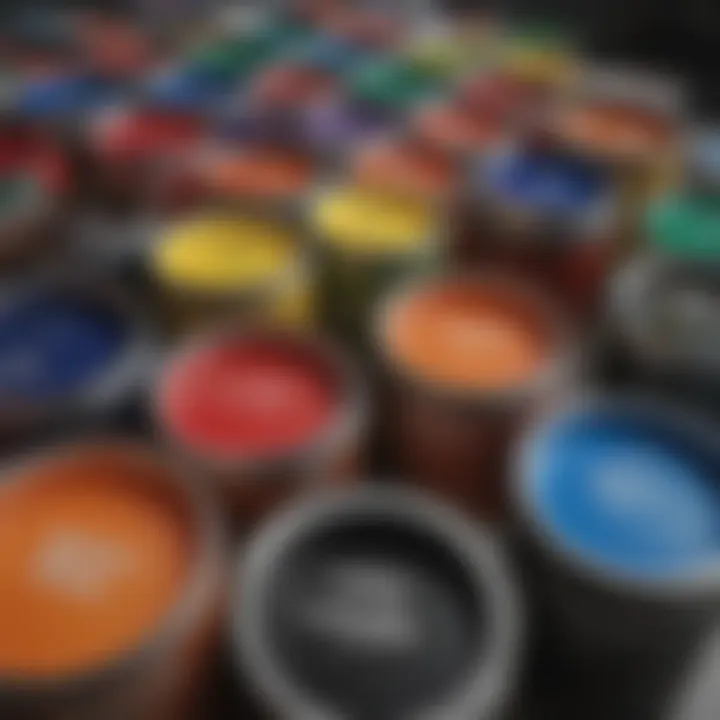
- Reputation and Reviews: Start with well-known brands that have a solid track record. Look for consumer feedback—stories from those who've used the product can provide real insights into performance.
- Formulation Differences: Not all rubber paints are created equal. Some might prioritize quick drying times, while others might focus on low VOC levels for a healthier application environment. Go for the formulation that aligns with your needs, be it durability or eco-friendliness.
- Price vs. Value: It's easy to be lured by the cheapest option, but often you get what you pay for. Investing in high-quality rubber paint could pay dividends in terms of longevity and fewer reapplications.
Understanding Product Labels
The label on a paint can be a treasure trove of information, yet many users overlook it. Familiarizing oneself with product labels can be revelatory and is an essential part of the selection process. Here are key points to focus on:
- Ingredients List: Understanding what you’re applying to your surfaces is paramount. Pay attention to harmful chemicals and VOC levels. Some brands proudly tout their eco-friendly formulations, which can be a bonus if you're environmentally conscious.
- Application Guidelines: This includes coverage per gallon, drying times, and recommended application methods. Knowing how the product performs can help manage your project timelines effectively.
- Warranty or Guarantee: Some manufacturers offer warranties or guarantees on their products. A solid warranty can provide peace of mind, indicating that the company stands by the durability and effectiveness of its rubber paint.
"An informed choice today can lead to a successful project tomorrow."
Armed with this knowledge, navigating the landscape of rubber paint doesn’t have to be a daunting task. By assessing your project requirements, comparing brands intelligently, and understanding product labels, you can make a selection that not only meets your immediate needs but also enhances the overall outcome of your painting endeavors.
Application Techniques for Rubber Paint
When it comes to rubber paint, the way you apply it can make or break your project. Proper application techniques not only ensure an even coat but also maximize longevity and performance. Getting this part right is crucial. If you don’t prepare surfaces properly or choose the wrong tools, the finish may not meet expectations or could peel off in a relatively short time.
Understanding different application methods can be daunting, but this knowledge empowers you to choose the best approach for your specific needs. Let's unravel the steps and equipment involved in applying rubber paint, as this can significantly impact your satisfaction with the end results.
Surface Preparation
Surface preparation is arguably one of the most critical steps in the rubber paint application process. It involves cleaning and priming the surface to ensure that the paint adheres correctly. Start by thoroughly cleaning the area to remove dirt, grease, or old paint remnants. Use a power washer or scrub brush as needed, and allow the surface to dry completely before proceeding.
Next, inspect the surface for any damage. Fill any cracks or holes with appropriate fillers, as doing so creates a smooth canvas for your rubber paint. If the surface is glossy, consider sanding it lightly; this helps the paint grip better. As a rule of thumb, remember: a clean and sound surface equals a long-lasting finish.
Tools and Equipment
Choosing the right tools for applying rubber paint can be the difference between a smooth finish and a messy project. Below are some popular options:
- Brushes: Great for edges and tight spots; however, they can leave brush marks.
- Rollers: Ideal for large, flat areas; they speed up the application process.
- Sprayers: They provide a quick and even coat but require more skill to handle.
Brushes vs. Rollers vs. Sprayers
Each of these tools has unique advantages depending on the task at hand.
- Brushes are beneficial for areas that require precision, such as corners or intricate designs. They allow for more control but may require more careful application to avoid streaks.
- Rollers make the job easier for large sections and are favored for their speed. They can cover more area than a brush, which is a big plus for projects that span a lot of wall or ceiling space.
- Sprayers can be a dream for those who want to skip the brush strokes altogether. They deliver an even coat with minimal texture, but they do require practice for best results. If you haven’t used a sprayer before, it might be worth doing a test patch or practicing on a scrap surface first.
Application Process
The application process can be straightforward if steps are followed correctly. Begin by shaking the paint can well, ensuring the contents are mixed thoroughly. If you’re using a sprayer, be sure to thin your paint according to the manufacturer’s guidelines to avoid clogging.
Use your chosen tool to apply the rubber paint evenly across the prepared surface. Ensure that you work in sections, blending each area to avoid lap marks. Pay attention to drying times; applying multiple coats usually yields the best results, but each coat needs to dry before a new one is added. This method not only builds thickness but also enhances the rubber paint’s properties, leading to improved durability and flexibility.
Remember, application isn’t just a task; it’s an art. Take your time, be methodical, and you’ll end up with a professional-looking finish that you can be proud of.
Maintenance and Care
Maintaining the integrity of rubber paint applies not just to aesthetic appeal but also to the long-term durability of the surfaces it covers. As the saying goes, an ounce of prevention is worth a pound of cure. Regular maintenance can save you from significant repair costs down the line and enhance the life span of your painted surfaces.
Given its unique properties, rubber paint necessitates specific cleaning methods and periodic reapplication. Understanding these aspects empowers homeowners to uphold the quality and functionality of their chosen surfaces.
Cleaning Procedures
Cleaning rubber paint isn’t quite like washing your car or scrubbing a kitchen counter. While it’s essential to keep your surfaces neat, abrasive agents or harsh chemicals might damage the paint finish. Here’s how to go about it:
- Soft Cloths and Milder Soaps: Using a soft cloth or sponge paired with mild soap can help lift dirt without causing scratches. You don’t want to mar that smooth finish!
- Gentle Rinsing: After scrubbing, gently rinse the area with warm water to remove soap residues. Leftover soap can attract further dirt, leading to an unintended cycle of stains.
- Spot Cleaning: For tougher stains, a mix of baking soda and water can act as a gentle abrasive. Just remember to test a small area first.
"Regular cleaning keeps the surfaces looking fresh and vibrant, prolonging the life of the rubber paint."
Reapplication and Repairs
No matter how durable rubber paint is, time and wear can still take their toll. Regular inspections can catch potential issues before they escalate. Consider the following tips for reapplication and touch-ups:
- Check for Peeling or Cracking: Look for signs of wear every few months. If you see any peeling, it’s a sure sign that reapplication is in order.
- Surface Preparation: Before applying fresh layers, ensure the surface is clean and dry. Remove any old, flaking paint, and lightly sand the edges of any damaged areas to create a smooth transition.
- Using Compatible Products: When touching up spots, use rubber paints or products that are compatible with your existing coat. Mixing formulations can lead to peeling or an uneven finish.
Appropriate maintenance and timely repairs enable rubber paint to maintain its protective and aesthetic qualities. With these practices in place, homeowners can enjoy the peace of mind that comes from knowing their efforts are preserving their investments.
Drawing everything together, this article sheds light on rubber paint's unique qualities and its diverse applications. Understanding how this specialized coating can be applied both in residential and commercial settings is not just beneficial but essential, especially for housewives and homeowners looking to enhance their spaces.
Summary of Key Insights
Rubber paint stands out for its versatility and durability. Here are a few key insights from our exploration:
- Wide Range of Applications: From treating interior walls to protecting outdoor furniture, rubber paint excels in various conditions. It is reliable for everything from homes to industrial facilities.
- Benefits Beyond Aesthetics: Aside from beautifying a space, its protective features—like water resistance and flexibility—extend the life of the surfaces it coats. This means lower maintenance and fewer repairs, which is a real boon for busy households.
- Environmental Considerations: Many formulations available today focus on sustainability, appealing to eco-conscious consumers.
- Informed Choices are Vital: Whether users are selecting paint for the kitchen or an outdoor deck, knowing the specifics like viscosity, spreadability, and application methods helps achieve optimal results.
"Rubber paint is not just a finish; it's a safeguard for your investments in home and outdoor spaces."
Future Directions and Innovations
Looking to the future, the realm of rubber paint holds a plethora of possibilities:
- Enhanced Formulations: Manufacturers are continually working on improving the performance characteristics of rubber paint. Innovations could include more rapid drying times, greater resistance to UV light, and improved adhesion to a wider variety of surfaces.
- Smart Technologies: There’s potential for the integration of smart technologies, such as paints that change color based on temperature or special coatings that actively repel dirt and grime.
- Broader Eco-Friendly Options: As we become more aware of our environmental footprint, expect to see even more options that prioritize eco-friendliness without sacrificing performance.
- DIY Trends and Accessibility: With the rise of DIY home improvement projects, educational resources—such as workshops or online tutorials—could enhance user proficiency in applying rubber paint and understanding its myriad benefits.
In summary, as both homeowners and professionals navigate the complexities of selecting materials, rubber paint emerges not just as a choice, but a wise investment in longevity and aesthetics.