Step-by-Step Guide to Replacing Your Bathroom Faucet

Intro
Replacing a bathroom faucet might sound like an overwhelming task, especially for homeowners or housewives who may not have much experience with plumbing. However, wielding a wrench and a bit of know-how can turn what seems like a daunting task into a simple DIY project. This guide aims to equip you with all the necessary tools, techniques, and insights to not only make the process manageable but enjoyable, too.
Overview of Topic
In the world of home improvement, a faucet replacement stands out as a fundamental yet impactful task. Faucets, after all, contribute to the bathroom's functionality and overall aesthetic. They can either refresh an outdated look or serve as a strong focal point in your bathroom design.
These days, you can find numerous styles and finishes, catering to every personal taste and budget. When executed correctly, replacing a faucet can not only spruce up your space but can also resolve persistent leaks or functionality issues. This step tackles both form and function, making it a significant project for any homeowner.
Importance of the Topic
Understanding how to replace a bathroom faucet means addressing a critical aspect of home maintenance. It allows you to enhance the bathroom's usability while also contributing to the home's overall resale value. Additionally, a new faucet can lead to better water efficiency, thus reducing utility bills over time. All in all, knowing how to tackle this task on your own fosters confidence and independence in home improvement endeavors.
Common Challenges and Solutions
Common Issues Faced by Homeowners
As straightforward as it may seem, faucet replacement isn’t without its challenges.
- Stubborn Old Faucet: Many homeowners encounter difficulties when trying to remove an old faucet due to rust or tight fittings.
- Limited Space: Working under the sink can be cramped and awkward, leading to frustration.
- Water Line Connection: Improper connections can lead to leaks, which is often a homeowner's worst nightmare.
Solutions and Tips to Overcome These Challenges
- Use Penetrating Oil: For stuck faucets, applying penetrating oil can help loosen corroded fixtures.
- Organize Your Space: Clear out the under-sink area to create better access and movement.
- Double-Check Connections: Take the time to ensure all connections are secure; consider using Teflon tape on threaded connections to prevent leaks.
Product Recommendations
When it comes to choosing the right faucet, you have several brands which are known for their reliability and style. Here’s a detailed analysis of a few standout options:
- Moen: Known for their durable designs and innovative features, Moen faucets come with a lifetime warranty. Their products often include easy-to-install systems that are a hit among DIYers.
- Delta: This brand offers a wide range of styles, from contemporary to classic. Their faucets often boast advanced technologies for water efficiency, making them an eco-friendly option.
- Kohler: Renowned for their aesthetics, Kohler faucets can enhance the look of any bathroom. Their products frequently combine stylish designs with high performance.
Step-by-Step Guides
Practical Steps to Implement Improvements
- Gather Necessary Tools: Before you dive in, make sure you have the required tools on hand - adjustable wrench, basin wrench, plumber's putty, and a bucket to catch any water.
- Turn Off the Water Supply: Locate the shut-off valves under the sink and turn them off. If there are no dedicated valves, turn off the main water supply.
- Remove the Old Faucet: Start by disconnecting water supply lines and carefully unscrewing the mounting nuts holding the faucet in place.
- Clean the Area: Once the faucet is out, clean the sink surface from any debris or remnants of old putty.
- Install the New Faucet: Follow the manufacturer's instructions for the new faucet. Apply plumber's putty around the base if required, and connect the water supply lines cautiously.
- Test for Leaks: After installation, turn the water supply on slowly and check for leaks under the sink. Tighten connections as necessary.
- Final Touches: Replace any decorative cap, and admire your work!
"A well-functioning faucet is like a good friend; it supports you through messy moments."
With this guide under your belt, you're poised to undertake your bathroom faucet replacement with expert precision, turning a simple task into a rewarding home improvement project.
Prolusion to Bathroom Faucet Replacement
Replacing a bathroom faucet is a task that may seem intimidating at first. However, understanding this process can open up doors to numerous benefits, both functionally and aesthetically. A well-chosen faucet can elevate the entire vibe of your bathroom while offering improved efficiency. Over time, faucets can wear down, leading to leaks, reduced pressure, or simply an outdated look that doesn't match your current decor. Knowing when and why to replace your faucet can help maintain a bathroom that meets both your practical needs and style preferences.
Understanding the Need for Replacement
There are several reasons to consider replacing your bathroom faucet. Perhaps the most obvious is that leaky faucets lead to water waste, which can hike up those utility bills faster than you can say "drip, drip, drip." If you've noticed water stains or damp spots under the sink, it might be time to evaluate your faucet. Additionally, a corroded or stained faucet can take the shine off your bathroom's overall appearance.
Another factor is the desire for modernization. Faucets today offer advanced technology, such as touchless operation, that wasn't available a decade ago. These features not only enhance convenience but also contribute to water conservation efforts.
Finally, the installation of a new faucet can greatly improve your bathroom's functionality. If you’re dealing with a faucet that's hard to operate due to its design, replacing it with one that offers better ergonomics can make everyday tasks more manageable.
Assessing Faucet Types
Time to dig into the types of faucets you might encounter as you embark on this replacement journey. There are several varieties out there, each with its unique traits and functionalities.
Compression Faucets
Compression faucets are often the most traditional style you’ll come across, relying on rubber washers to control water flow. They are simple, effective, and typically the easiest to repair, which makes them a favored choice for many DIY enthusiasts. The key characteristic of compression faucets is their dual-handle design, allowing for independent control of hot and cold water.
One of the benefits of this type of faucet is that when properly maintained, they can last for many years. However, they do have their downsides. The washers can wear out over time, leading to leakages if not replaced regularly. Generally speaking, compression faucets are a solid choice for those looking to keep things classic yet simple.
Ball Faucets
Ball faucets distinguish themselves with their single lever, which pivots over a rounded ball to control the mix of water temperature and flow. These are functional and often found in kitchens or bathrooms that require rapid access to water. The standout feature is their ease of use; a gentle push or pull is all it takes.
On the downside, the intricate design involves various parts that can wear out, which might make repairs slightly more complex compared to a compression faucet. Still, the fluid motion and modern aesthetics keep ball faucets popular in many homes.
Cartridge Faucets
Cartridge faucets are characterized by their use of a cartridge to regulate flow and temperature. The convenience factor shines here; they’re often seen as the middle ground between traditional designs and modern functionality. A notable advantage is that they are relatively easy to install and repair, mainly if you’re using a single-handle version.
One of the primary benefits is that they often have longer lives than compression faucets, given their fewer parts at play that might wear down over time. However, it’s crucial to keep an eye on the cartridge itself, as failure can lead to leaks just like any other faucet.
Disc Faucets
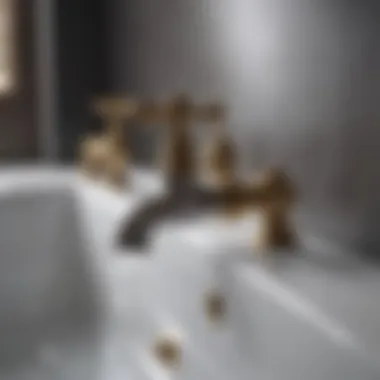

Finally, we arrive at disc faucets. They utilize a unique ceramic disk mechanism under the handle, which is where they get their name. The dual-handle design here allows for impressive control over flow and temperature, offering a smoother experience when adjusting water.
The unique feature of discs is that they’re generally more durable, which means they can withstand significant wear and tear. Nevertheless, they can come with a higher price tag than other types. Those looking for a long-term investment and high functionality may find disc faucets worth the splurge.
Planning Your Replacement
When it comes to replacing a bathroom faucet, planning is half the battle. Taking the time to assess your needs and wants can save countless headaches down the road. Before you jump in with both feet, let’s break down the steps that can make this process a walk in the park rather than a mudslide.
Evaluating Your Existing Setup
Start by taking a good look at your current faucet. Identify the type of faucet you have and any specific issues you might be facing. Is it leaking? Does it drip like an old faucet that can't hold its water? Knowing what you're dealing with can inform the kind of replacement you need.
Also, consider the age of your plumbing. Older systems may require more extensive adjustments. Measure the space between the faucet holes and ensure that your new selection will fit.
Bring a notepad—jotting down notes (including measurements) will help you keep track of what you need. It prevents the dreaded second trip to the store, which nobody enjoys.
Choosing the Right Replacement Faucet
Choosing the right faucet is no small feat. It’s like picking a new wardrobe for your sink! There are three key aspects to take into consideration: style, finish, and functionality. Let's dive deeper into each of these, so you don’t end up with a plumber's nightmare.
Style Considerations
The style of your faucet contributes heavily to the overall aesthetic of your bathroom. Whether you lean towards modern chic or timeless classic, the right faucet can enhance the look and feel of the space. Some popular styles include:
- Modern: Sleek lines and minimalistic designs.
- Traditional: Vintage brass fittings and ornate details.
- Transitional: A blend of both, offering versatility.
A well-chosen style brings cohesion to your bathroom ensemble, making it feel like a curated space rather than a hodgepodge of mismatched fixtures. On the downside, however, sometimes the most stylish options might break the bank, so consider your budget as well.
Finish Options
The finish on your new faucet is not just about aesthetics; it impacts maintenance and durability too. Common finishes include:
- Chrome: Bright and contemporary, but prone to fingerprints.
- Brushed Nickel: Offers a warm tone and resists water spots.
- Oil-Rubbed Bronze: Rich and rustic; hides wear and water marks well.
A quality finish can alter your cleaning routine. For example, brushed nickel may need less scrubbing than shiny chrome. In summary, invest some time in selecting a finish that balances both beauty and practicality.
Functionality Needs
Finally, functionality should never be overlooked. A faucet that looks great but isn’t user-friendly can frustrate you every single day. Consider the key features:
- Handle Type: Single or double; each has its pros and cons.
- Spray Options: Do you want a pull-down feature for rinsing?
- Water Flow Rate: Aim for efficiency without compromising performance.
Getting the functionality right ensures your new faucet meets daily demands without any fuss. If you have a household with kids or older adults, a more straightforward model might be the ticket.
Remember, the right choice not only enhances your bathroom’s functionality but also improves your daily experience—a win-win at its finest.
Gathering Necessary Tools
Before diving into the intricacies of replacing your bathroom faucet, it's crucial to gather the right tools. Having everything on hand not only streamlines the process, but it also reduces frustration during the task. When you're knee-deep in a plumbing project, the last thing you want is to be dashing around looking for tools. Plus, using the right equipment helps ensure safety and minimizes mistakes, making it vital to know which tools you'll need.
Essential Tools for the Task
Wrenches
Wrenches are one of the cornerstones for any plumbing job. You’ll likely be turning stubborn nuts and bolts, and that’s where a good wrench comes into play. The adjustable wrench is particularly handy because it can work on various sizes of fittings, making it a versatile pick for your toolbox.
One key characteristic of wrenches is their gripping ability. They can apply significant torque without needing excessive force. This is especially helpful in tight spots under a sink where you can't always get a good grip. The downside? If not used properly, you may strip the nuts, making them a bit of a double-edged sword in the hands of an inexperienced DIYer.
Screwdrivers
A screwdriver is another essential tool, necessary for removing a faucet or securing new fixtures. The typical flathead or Phillips screwdriver will fit most screw types encountered during installation. Choosing the right screwdriver can save a world of hurt—don’t try to force a Phillips screw with a flathead. This kind of oversight will only lead to issues and could damage screws, which can complicate removal later on.
While screwdrivers seem basic, their unique features—like magnetic tips—often make it easier to hold screws in place during the installation. Just keep in mind that a screwdriver isn’t always the most effective tool for tightly fastened or rusted screws. Sometimes you may need additional torque or leverage that a wrench provides.
Plumber’s Tape
Plumber's tape, or Teflon tape, is an unsung hero when it comes to packing plumbing fittings. It seals threaded connections, preventing leaks and ensuring watertight joints. What sets plumber's tape apart is its resistance to corrosion—this is a game changer for any plumbing work.
It's lightweight, easy to apply, and stretches slightly, allowing it to seal effectively. One can argue that, without plumber's tape, your faucet replacement might end up feeling like a gamble. However, one downside is that improper wrapping can still lead to leaks. So it’s critical to know how to apply it correctly without overdoing it.
Bucket and Towels
Having a bucket and towels at your side might seem simple, but they're invaluable when it comes to handling excess water. Faucets can be unpredictable, and the last thing you want when removing an old faucet is a rush of water soaking everything.
Buckets help catch any unexpected spills, while towels serve to quickly mop up excess water or wipe down surfaces. The main advantage here is preventing a mess, which can lead to mold if left unchecked. However, towels can become soaked and may need frequent changes, so you might want to grab a few to be prepared.
Optional Tools for Enhanced Efficiency

If you want to take your faucet replacement endeavour to the next level, consider investing in some optional but useful tools.
Pipe Wrench
A pipe wrench is a robust tool designed specifically for grasping round objects like pipes. It's particularly useful for loosening older pipes or fittings that may be rusted in place, making it an excellent choice for this task. One characteristic of a pipe wrench is its serrated jaws, which enhance the grip on slippery surfaces.
However, using a pipe wrench requires a bit of finesse—over-tightening can lead to damage or deformation of fittings, so a careful balance is necessary. While this tool excels at creating strong pressure, it's not the best choice for delicate installations where you want to avoid scratching or marring surfaces.
Caulk Gun
A caulk gun is an optional but valuable tool for sealing any gaps or spaces after your faucet is installed. It allows for smooth application of caulk, ensuring a clean finish around the faucet. One notable characteristic is its ease of use—thanks to the squeeze handle—making it a standout for anyone, regardless of DIY skill level.
Nonetheless, the unique feature of a caulk gun is that it can create more mess if not used carefully. Using too much caulk can lead to unsightly excess that will require a cleanup job, so practice caution to maintain a neat appearance around your faucet.
By carefully gathering these tools and understanding their specific uses, you can ensure that the faucet replacement process is as smooth as butter.
Preparation Before Replacement
When approaching the task of replacing your bathroom faucet, taking time for proper preparation is crucial. This stage is akin to laying the groundwork before building a house; it sets the tone for the entire operation. Failing to prepare means you could run into unexpected snags that might complicate or delay the project, leading to unnecessary frustration.
One of the key benefits of thorough preparation is that it allows you to anticipate potential challenges. For example, assessing the current plumbing situation can save you from unpleasant surprises, such as discovering incompatible fittings or corroded parts. Additionally, having a solid plan helps streamline the entire process, making it smoother and more efficient.
Essentially, preparation encompasses a few critical steps: shutting off the water supply, taking stock of your tools, and mentally outlining the work ahead. Doing these things can elevate your success rate and bolster your confidence.
Shutting Off Water Supply
The first and foremost step in preparing for faucet replacement is shutting off the water supply. This action is not just a precaution; it's imperative. If you forget to turn off the water, you'll be in for a soggy mess that could set you back considerably. Turning off the water supply ensures safety, preventing any inadvertent spills or flooding during the replacement process.
You can usually find the shut-off valves under the sink or in an access panel nearby. It’s advisable to turn both the hot and cold water valves off. After you’ve done this, it’s sensible to turn on the faucet to relieve any remaining pressure; you’ll quickly see any residual water drained away.
Removing the Old Faucet
Once you've ensured no water will be gushing around, it’s time to tackle the old faucet. This process consists of two main steps: disconnecting the water supply lines and unscrewing the faucet itself.
Disconnecting Water Supply Lines
When it comes to removing the old faucet, disconnecting the water supply lines is a crucial task. This part of the process allows you to properly detach the faucet without any water disturbance. The unique feature of this step is that it often involves the use of specialized tools, such as adjustable wrenches, to ensure a secure grip on fittings.
This step is popular among DIY enthusiasts because it empowers anyone to take control of their plumbing. After all, understanding how to handle plumbing fixtures is a valuable skill. However, it should be noted that if connections are corroded, they may require extra effort, potentially leading to frustration. Thankfully, with the right tools and a bit of patience, you can navigate this process with relative ease.
Unscrewing and Removing the Faucet
After disconnecting the water supply lines, the next step is to unscrew and remove the faucet. This step may seem straightforward, yet it can vary significantly depending on the specific type of faucet you have installed. Typically, this involves locating the mounting nuts underneath, using a wrench or a basin wrench to unscrew them carefully.
The key characteristic of this step is the degree of handyman skill it requires. It’s an empowering moment—you're literally dismantling a fixture that’s been a part of your bathroom for who knows how long. However, caution is necessary here; if not done carefully, stripping the screws can complicate removal. Staying mindful of the surrounding plumbing and components ensures a smoother transition.
Removing the old faucet marks a significant turning point in your replacement journey. You've dismantled the old, and soon enough, you'll be able to welcome in the new!
"Preparation is the key to success, especially when it involves plumbing."
Overall, the preparation phase sets the stage for the entire faucet replacement process. Diligent actions taken here will pay dividends later, leading to a more straightforward and less chaotic experience.
Installing the New Faucet
Installing a new faucet is a pivotal step that can transform not just the appearance but also the functionality of your bathroom. This section delves into the significance of installing a new faucet, shedding light on specific elements to consider while undertaking the task. Replacing your faucet isn't merely about fixing a leak or updating an outdated model; it's about enhancing your bathroom's overall aesthetic appeal and ensuring efficient water flow.
In this guide, we’ll concentrate on the essential steps: preparing the sink area and securing the new faucet, focusing on practical insights and benefits that aim to empower you throughout the process.
Preparing the Sink Area
Getting the sink area ready is an often-overlooked stage but is incredibly crucial for a seamless faucet installation experience. You may need to clear away any personal items, cleaning products, or accessories that could get in the way. This not only helps to create an open workspace but also prevents any accidental mess or damage while working.
Once you've cleared the area, ensure that the sink surface is clean. A dirty or cluttered workspace can lead to complications when aligning the new faucet properly. Make sure to inspect the sink as well for any accumulated grime, as this can hinder your installation efforts. Consider using a mild cleaner to wipe it down; you want a fresh canvas for this new upgrade.
It's also wise to have your tools ready and within reach—having everything at the ready makes a world of difference instead of running back and forth looking for that crucial wrench or pliers.
Securing the New Faucet
After you have prepared the sink area, it’s time to focus on securing the new faucet, which is where the real work begins. Getting it right here means you’ll save yourself from troubles down the line.
Connecting Water Supply Lines
Connecting water supply lines is a fundamental aspect of securing the new faucet. This part is essential because it ensures that your faucet receives the necessary water supply without interruption. A key characteristic of connecting supply lines is that it has a straightforward, logical flow—connect the hot to hot and cold to cold, then simply tighten them. This makes it user-friendly and is why many homeowners prefer this approach.
One unique feature of water supply lines is the option to use flexible hoses or rigid pipes. Flexible hoses are particularly beneficial here; they can accommodate slight misalignments easily, making adjustments less cumbersome. However, do be careful—too much flexibility can make them susceptible to kinks.
Tip: Always ensure that your connections are snug but not over-tightened to prevent damage. A little twist here and there usually does the trick without leading to future leaks.
Sealing with Plumber's Tape
Sealing with plumber's tape is another crucial part of the installation process. This tape plays a key role in ensuring that water doesn’t leak from the joints connecting the faucet to the supply lines. The beauty of plumber's tape lies in its simplicity, providing a tight seal without the need for additional adhesives or tools.
What sets it apart is its unique property of being resistant to both moisture and chemical interactions. Thus, it is considered a quick yet effective solution for most plumbing connections. While the application is generally straightforward—wrapping the tape around the threads before securing the connection—be cautious of its overuse. Too many layers can lead to a seal that’s too tight, making it tricky to unscrew in the future.
With the sink area prepared, and the faucet securely connected and sealed, you’re one step closer to enjoying your newly installed faucet. From enhancing the style and functionality of your bathroom to preventing leaks down the line, paying attention to these details will ensure your installation is a success.
Testing the New Setup
Once you have securely installed the new faucet, it's time to put everything to the test. This step is crucial for ensuring that your hard work pays off and that the new fixture operates as desired. Testing the new setup is not only about functionality but also about making sure everything functions smoothly and without hassle.
Restoring Water Supply
Before anything else, you need to restore the water supply to your bathroom. This is done by turning the water valve back on, which should be in the closed position while you were working. It’s advisable to go slow here. Quite often, things like to go awry during this stage. If the old adage, "Haste makes waste," didn’t ring true for you before, it surely will now!
After opening the valve, wait a moment before fully turning it on. This will allow any air in the lines to escape. Make sure to observe the faucet closely from a safe distance.
Checking for Leaks
Once the water supply is restored, the next order of business is checking for leaks. This step can’t be overstated. Leaks are sneaky - they might not make themselves known right away, but if not caught early, they can lead to serious damage down the road. It's like not noticing a leak in your roof until the ceiling collapses.
Start by turning on both hot and cold water and check the places where the faucet connects to the sink and the pipes. Here’s a quick checklist:
- Look for any moisture or dripping around the base of the faucet.
- Check the supply lines underneath the sink carefully.
- Make sure all fittings are tight but not overly tightened, as too much force can damage components.
After running the water for a few minutes, take another look. If you see no signs of leaks, then congratulations—your installation was a success! If leaks are present, it’s back to the drawing board. Tighten connections or check if the plumber's tape you used is appropriately applied.
Remember: A bit of patience during this testing phase can save you from a world of trouble in the future.
In summary, testing the new setup is about ensuring peace of mind for yourself and safeguarding your home from potential water damage. Taking these steps can keep your bathroom functional and stylish for many years ahead.
Addressing Common Issues
When tackling the job of replacing a bathroom faucet, it's prudent to keep in mind that not everything will go off without a hitch. Addressing common issues is essential, as it not only helps you avoid pitfalls but also ensures that your new setup lasts longer and functions as intended. Sometimes, problems arise that can throw a wrench in your plans, but with some thoughtful preparation, you can tackle these challenges with confidence.
Being aware of potential fixes can also save you from costly repairs down the line. Homeowners might find themselves feeling overwhelmed when facing unexpected hurdles, but focusing on these common challenges transforms a daunting task into an achievable project. Below, we'll delve into two prevalent issues that often crop up during faucet replacement: dealing with leaks and adjusting water pressure.
Dealing with Leaks
Leaks can crop up for a variety of reasons after you’ve installed your shiny new faucet. The first step is to check connections thoroughly – that’s where most leaks are born. Always ensure that the water supply lines are securely attached. If it feels loose, trust your instinct and tighten it up. A simple misalignment or an improperly sealed thread can lead to tears in your peace of mind.
When you suspect a leak, it doesn’t hurt to conduct a quick inspection:
- Inspect for Moisture: Look around the base of the faucet and under the sink for any signs of water pooling.
- Tighten Fittings: Use a wrench to snug up joints, but watch out for over-tightening; this can lead to stripped threads or even cracks in the fixture.
- Check Washer Integrity: If you've replaced a cartridge-style faucet, inspect the washers and O-rings. If they seem worn or brittle, it might be a good time for a replacement.
Don’t forget about the power of plumber's tape. A little extra sealant can work wonders when winding tape around the threads of supply lines, creating a barrier against leaks.
“An ounce of prevention is worth a pound of cure.” For a seamless experience, take your time to verify that each connection is secure before restoring your water supply.
Adjusting Water Pressure
Water pressure can cause headaches if it’s too high or too low, affecting how your new faucet operates. Low pressure means you’re waiting forever for your morning rinse, while high pressure can lead to splashing and a not-so-friendly sink environment. Understanding the balance is key, and there are simple ways to get it just right.
If your water pressure seems off:
- Check the Aerator: This tiny mesh screen at the end of the faucet can get clogged with debris and mineral buildup. Cleaning it out or replacing it can yield immediate results.
- Inspect the Shut-Off Valves: Ensure that they are fully open. Sometimes, they might be partially closed from the last install or maintenance.
- Consider a Pressure Regulator: If the pressure is consistently high, install a pressure regulator. This little device can stabilize the pressure throughout your plumbing system, leading to a more enjoyable user experience.
In addition, keeping an eye on your plumbing system as a whole can help identify issues. If you find that the pressure fluctuates drastically, you might want to consult a professional to check for blockages or issues within your main water line.
By addressing these common issues effectively, you not only set yourself up for a successful faucet replacement but also improve the overall functionality of your bathroom. Each problem solved adds not just to your skills but also enhances the comfort of your daily routines.
End and Final Thoughts
Completing the replacement of your bathroom faucet is not just a matter of swapping out plumbing fixtures; it’s a significant step toward elevating the comfort and functionality of your bathroom. Throughout this guide, we have navigated the entire journey, from selecting the right tools to installing and testing your new faucet. But the end goal is more than just achieving a functional tap; it’s about creating an environment that reflects your personal taste and meets your practical needs.
Reflecting on the Process
As you look back on your faucet replacement journey, it’s beneficial to reflect on the skills you’ve acquired. Each step, whether collecting tools or getting hands-on with the plumbing, empowers you with a deeper understanding of your home’s systems.
Consider the following elements:
- Improved Problem-Solving Skills: Each hiccup you encountered may have tested your patience. However, overcoming these challenges builds valuable problem-solving expertise that goes beyond simple faucet replacement.
- Boosted Confidence: Successfully replacing a faucet instills a sense of accomplishment. This newfound confidence sets the stage for tackling other home improvement projects you may have avoided before.
- Enhanced Home Environment: A new faucet can drastically uplift the aesthetic appeal of your bathroom. Paired with fresh fixtures, this seemingly small change can lead to a more polished look.
"The satisfaction of knowing you did it yourself can be more rewarding than the mere act of replacement itself."
Future Maintenance and Care
Now that your faucet is in place and functioning well, it is vital to commit to routine maintenance. Keeping your faucet in tip-top shape not only prolongs its life but also helps prevent future issues.
Here are some easy maintenance tips:
- Regular Cleaning: Create a habit of wiping down your faucet with a non-abrasive cleaner to keep it shiny and free from mineral deposits.
- Check for Leaks: Periodically inspect beneath the sink and the faucet itself for any signs of leaks. Even a small leak can escalate and cause significant damage over time.
- Monitor Water Quality: Changes in water quality might be a sign that your faucet or plumbing system requires attention. Be alert to unusual odors or discoloration.
With a consistent maintenance routine, you can ensure the longevity and good performance of your faucet, making it a worthwhile investment. Taking control of your home’s upkeep not only enhances your space but also enriches your experience as a homeowner, leading to a bathroom environment you can truly enjoy.