
Essential Guide to Toilet Seat Caps and Their Benefits


Intro
Toilet seat caps might not win any awards for glamour, but they play a vital role in our everyday bathroom experience. Often popping up unnoticed, these caps serve multiple functions in a household. Their primary purpose? Simply put, they cover those unsightly nuts and bolts that hold the toilet seat in place, providing a clean, polished look to your commode. But the significance of toilet seat caps stretches far beyond aesthetics.
In the vast landscape of home improvement, they sit quietly yet profoundly in the background, bridging the gap between utility and style. Homeowners may often find themselves perplexed after experiencing issues with their toilet seats, prompting a deep dive into why these small components matter.
Importance of the Topic
The bathroom, a sanctuary of sorts for many, demands attention not just for its fixtures but for every intricate detail that contributes to its overall functionality and beauty. Toilet seat caps, while often overlooked, directly influence both the longevity of your toilet seat and the ease of maintenance.
Without proper caps, germs can breed in the cracks and crevices around the nuts, leading to unhygienic conditions. Moreover, mismatched caps can ruin the visual harmony of your bathroom decor. Thus, understanding their role extends beyond mere interest; it’s crucial for maintaining health and ensuring a pleasing aesthetic.
In essence, toilet seat caps are more than just an afterthought; they're essential players in the home improvement industry. Knowing how to choose, maintain, and install them can enhance both the look of your bathroom and the comfort of your daily routines.
Prologue to Toilet Seat Caps
Toilet seat caps, though often overshadowed by more prominent fixtures in bathrooms, play a pivotal role in many households. They are not merely decorative items; their functional aspects significantly enhance a toilet’s usability and safety. By understanding their importance, one can make informed choices regarding selection, installation, and maintenance, ensuring a smoother experience in the often-overlooked realm of bathroom fixtures.
Definition and Purpose
Toilet seat caps, typically found at the base of a toilet seat, serve several crucial roles. Primarily, they provide a clean, finished look to the toilet while concealing the hardware beneath that secures the seat. Here are a few defining aspects and purposes:
- Aesthetic Appeal: Caps are available in a variety of designs and colors, helping to match the overall decor of the bathroom. This simple addition can uplift the atmosphere of the entire space.
- Protection: They safeguard the bolts and screws from moisture and grime, which can lead to rusting and deterioration of the hardware.
- Safety Feature: Properly fitted caps prevent potential injury. Loose or sharp edges of screws can pose a hazard, and caps cover these areas to mitigate risks.
In essence, toilet seat caps are both functional and aesthetic, playing an indispensable role in maintaining both the visual and practical integrity of bathroom fixtures.
Historical Background
The concept of toilet seat caps dates back several decades, entwined with the evolution of toilet technology itself. Early toilets lacked significant attention to detail, leaving mechanical parts exposed, which often resulted in various issues ranging from hygiene problems to aesthetic inconsistency.
In the mid-20th century, as bathroom design transformed into a focal point of home aesthetics, manufacturers began creating toilet caps aimed at addressing these concerns. With advances in materials and engineering, these caps morphed from utilitarian to stylish accessories, marking both a functional improvement and a design revolution. As bathrooms cme to be viewed as personal sanctuaries, the attention to toilet components, including seat caps, became an essential element of thoughtful home design.
The journey of toilet seat caps reflects larger trends in bathroom design – as tastes evolve, so do the components within our bathrooms. By understanding their history, homeowners can appreciate the intricate balance between function and design in their spaces.
Materials Used in Toilet Seat Caps
When it comes to toilet seat caps, the choice of materials is a pivotal point that influences several factors such as durability, aesthetics, and overall user experience. Each material brings its own set of characteristics, advantages, and drawbacks, making a thoughtful selection essential for housewives and homeowners aiming for both functionality and style in their bathrooms. This section dives into the three primary types of materials used - plastic, metal, and ceramic/porcelain, focusing on their unique attributes and how they align with users' needs.
Plastic Caps
Plastic caps present an interesting blend of practicality and versatility. Commonly made from polyvinyl chloride (PVC) or other synthetic materials, they are often the go-to choice for many homeowners. The most notable feature of plastic caps is their lightweight nature, which makes them easy to install and replace without requiring extensive DIY skills. Moreover, they come in a myriad of colors and styles, letting homeowners add a personal touch to their bathroom decor.
One of the standout benefits of plastic caps is their resistance to moisture. Unlike wood or certain metals, plastic does not warp or corrode when subjected to humidity, which is a regular state in bathrooms.
However, it’s important to note that not all plastic caps are equal in quality. Cheaper brands can crack over time, especially under high weight or pressure.
"The right choice of plastic cap can complement your toilet seat while ensuring ease of maintenance and longevity."
Metal Caps
Metal caps, on the other hand, embody a robust elegance that can elevate the overall look of your bathroom. Typically crafted from stainless steel or zinc alloys, these caps are highly praised for their strength and durability. They provide a level of sophistication, often appealing to those who prioritize a modern aesthetic in their home.
One of the significant advantages of metal caps is their resistance to wear and tear. Unlike their plastic counterparts, they are less prone to cracking or breaking, making them a long-lasting option. Additionally, metal can be easier to clean. A simple wipe down with suitable cleaner can restore their shine, thus enhancing their visual appeal over time.
An important consideration here is that metal caps can be quite heavy, potentially requiring stronger hinges to support them. Also, without proper finishing, they might be prone to rust in humid environments.
Ceramic and Porcelain Caps
Ceramic and porcelain caps are often viewed as the premium option for toilet seat covers. Known for their stunning aesthetic and smooth finish, these materials bring a classic beauty to bathroom fixtures. They can effortlessly blend in with various styles, from vintage to contemporary.
While their visual appeal is undeniable, ceramic and porcelain caps also bring functional benefits. They are highly resistant to stains and easy to clean, which often makes them a favorite among homeowners seeking both form and function. These materials also generally have a weighty feel that can add a sense of quality and stability.
However, it's crucial to handle them with care. They can chip or break if subjected to heavy impact, which is something to keep in mind if you have a busy household. Additionally, they may be more costly compared to plastic or metal caps, which could be a consideration for those on a budget.
Functions of Toilet Seat Caps
Toilet seat caps may seem like a small feature in the grand scheme of bathroom design, but they perform critical functions that enhance both utility and cleanliness. Understanding the role these caps play can lead to better choices for maintenance and hygiene in any home.
Screw Protection
One of the primary responsibilities of toilet seat caps is to provide screw protection. Every toilet seat has a set of screws that secure it to the bowl. Over time, these screws can become loose due to regular use, which is less than ideal. A properly installed cap guards against dust, moisture, and other contaminants that could lead to rust or corrosion. This layer of protection helps to ensure a longer lifespan for the screws themselves.
Additionally, the caps protect against damage that might occur during cleaning or maintenance of the toilet. A well-fitted cap prevents cleaning compounds from infiltrating the screws, thus averting potential rusting or deterioration.
To put it simply, think of toilet seat caps as your seat's armor—offering both durability and longevity. Regular checks can help catch any loose screws before they become a bigger issue.
Hygiene and Maintenance
In an age where hygiene is paramount, toilet seat caps significantly contribute to maintaining a clean and sanitary environment. Their design plays an essential role in preventing bacteria and other harmful particles from being trapped around the screw area, which is often overlooked during cleaning routines.
Key hygiene benefits include:
- Easy Cleaning: Many caps are designed for easy removal, allowing for thorough cleaning not just of the caps, but of the screws and the toilet seat itself.
- Prevention of Odors: By keeping the screws and their surroundings sealed off, caps can help in reducing the odors caused by trapped moisture or bacterial growth.
- Material Matters: Depending on the material of the cap—be it plastic, metal, or ceramic—certain options may be more resistant to bacterial growth. For example, materials like stainless steel are known for their anti-microbial properties.
"Proper hygiene should be a priority, and toilet seat caps play a surprisingly critical role in that equation."
In summary, the functions of toilet seat caps go beyond aesthetic or minor utility. They play a pivotal role in screw protection, hygiene, and maintenance, making them an often unrecognized yet invaluable component of the bathroom. Understanding these roles can better inform choices when selecting toilet fixture components.
Installation Techniques
Installation techniques for toilet seat caps may seem trivial at first glance, but they are crucial for ensuring not only durability but also functionality. A properly installed cap protects the screws from moisture, keeping them from rusting and prolonging the life of your toilet seat. Additionally, correct installation can prevent movement during use, which enhances stability and safety.
Knowing how to set up your toilet seat caps properly is essential for any homeowner or household manager. It can help you avoid unnecessary replacements due to wear and tear. Moreover, understanding the intricacies of this process contributes to your overall bathroom hygiene, as a well-installed cap minimizes gaps where dirt and germs can accumulate. Here are detailed insights and techniques to aid in the installation journey:
Initial Setup
Before diving into the nitty-gritty of installation, gather all necessary materials. You will need:
- The toilet seat and cap
- A screwdriver (flathead or Phillips depending on the screws)
- Towels or paper for cleanup
- Optional: Silicone sealant for added protection
Starting with cleaning the area around the toilet is a must. Use a disinfectant to wipe down surfaces and remove any gripping grime. Making sure everything is clean sets a solid foundation for the installation.
Next, align the seat onto the toilet bowl, taking care to position it correctly. Center it so the lid doesn't hang off to the side. Adjust as needed, and once satisfied, begin attaching the caps onto the screws. When putting in the screws, use a gentle but firm hand. Over-tightening can lead to cracks in the porcelain or plastic—and nobody wants that!
Make sure you secure the caps firmly but not excessively, allowing for slight movement if necessary. Adjust gently if you notice any wobbling once the initial setup is complete. It’s also prudent to double-check alignment; once caps start getting tight, improper alignment can lead to a headache later.
Common Installation Mistakes
When it comes to installing toilet seat caps, even the smallest blunder can create larger issues down the line. Here are some common missteps that you should be mindful of:
- Neglecting to Clean the Surface
Many consumers skip the cleaning step, thinking it's not of great import. Believe me, this oversight can lead to adhesion issues. - Ignoring Specifications
Different models have varied installation processes. Be sure to read factory instructions to avoid installation errors. - Over-tightening Screws
A tight grip may feel secure, but if you crank down too much, you risk warping the seat or damaging the toilet's finish. A snug fit is good, but don't turn the screw into a vice grip. - Forgetting to Test the Seat
After installation, remember to sit on the seat to see if it wobbles or moves unexpectedly. Even if everything seems perfect at first glance, an important step is to actually use the seat to confirm solidity. - Bypassing the Sealant
If you live in a humid environment, consider using a silicone sealant around the edges as an extra precaution. This simple addition can save you from future issues related to moisture damage.
"Proper installation not only enhances the aesthetic but ensures safety and longevity."
A careful approach during installation can spare you from a multitude of frustrations later on. Taking these simple precautions and understanding the process leads to a better experience for everyone in the home.
Troubleshooting Common Issues
When it comes to toilet seat caps, encountering issues is not uncommon. Addressing problems efficiently ensures both comfort and hygiene within any washroom environment. In this section, we’ll delve into some prevalent difficulties homeowners might face with their toilet seat caps, namely loose caps and cracks or breakage. By understanding these issues and considering their solutions, you can maintain the functionality and longevity of this important bathroom accessory.
Loose Caps
Loose toilet seat caps can be a bit of a nuisance. Over time, frequent use can lead the screws that hold the caps in place to come undone. This can cause wobbling during use, which might be uncomfortable and even lead to accidents in some cases. So, why does this happen?
- Wear and Tear: Just like any other fixture in your home, toilet seat caps are subject to use. The constant motion can gradually loosen the screws.
- Improper Installation: Sometimes, it’s simply a case of caps not fitted properly from the start.
To address loose caps effectively, follow these steps:
- Inspect the Screws: Check if the screws holding the caps are indeed loose. You may need a screwdriver to tighten them.
- Use a Washer: In some cases, adding a washer between the cap and screw can help create a more stable connection.
- Periodic Checks: Make it a habit to check the tightness of your caps regularly. This simple routine can save you the trouble of fixing a more serious issue down the road.
"A little prevention goes a long way. By keeping an eye on your toilet seat caps, you can avoid unnecessary headaches!"
Cracks and Breakage
Cracks in toilet seat caps are another common issue that can arise, often due to factors such as poor material quality, age, or even improper handling during cleaning or installation. A cracked cap doesn’t just look unsightly; it can pose safety risks.
There are a few key reasons that lead to cracks:
- Temperature Fluctuations: In some bathroom environments, extreme temperature changes can make materials expand and contract, leading to stress fractures.
- Heavy Weight: Over time, if the caps are put under too much weight or pressure (improperly sitting or standing), they may give way, resulting in cracks.
To prevent or fix cracked toilet seat caps, consider the following:
- Choose Quality Materials: When purchasing replacements, look for caps made from sturdy materials.
- Handle with Care: During installation or cleaning, be gentle with the components to avoid cracks.
- Replace When Necessary: If you notice cracks, it’s better to replace the caps instead of risking further breakage.
Being proactive about these common issues can save time and ensure that your toilet seat caps remain functional and appealing. While they may seem small, addressing these issues is part of maintaining a clean and efficient bathroom environment.
Visual and Aesthetic Considerations
When it comes to bathroom design, many people focus on the major fixtures like sinks, toilets, and bathtubs, often overlooking the small details that can make a world of difference. Toilet seat caps, while seemingly minor, play a pivotal role in the overall aesthetic appeal of a bathroom. Their visual presence can either enhance a bathroom's decor or make it feel disjointed. It’s not just about functionality; it’s about creating a harmonious environment. A well-chosen toilet seat cap can be the cherry on top of a thoughtfully designed space.
Color Options
The color of toilet seat caps can greatly influence the mood of a bathroom. A bold color like red or royal blue could create a vibrant statement, while softer hues such as pastels or white can invoke tranquility.
When selecting colors, consider the following:
- Matching Existing Decor: Aim for caps that complement existing colors in the room. For instance, if the tiles are a light grey, a darker grey cap might reinforce a cohesive look.
- Seasonal Changes: Some homeowners might change their caps with the seasons, opting for brighter colors in summertime and deeper shades in winter.
- Accents and Highlights: Consider using the cap color as a way to accentuate features like towels or shower curtains, creating a connection between elements in the room.
"Color transforms the mundane into the extraordinary. It’s an instant mood lift!"
Design Trends
The trend in toilet seat cap design reflects larger patterns in home decor. So, what’s making waves in the world of toilet seat caps? Here are a few notable trends:
- Minimalist Design: Clean lines and simple shapes are increasingly popular. Homeowners prefer caps that don’t draw too much attention while still adding a touch of elegance.
- Textured Finishes: This adds depth and interest. From soft matte surfaces to glossy finishes, the modulation can be impactful. People are experimenting with textures to find what fits their vibe.
- Eco-Friendly Designs: With growing awareness about sustainability, many brands are providing options that are not only easy on the eyes but also kinder to the planet.
- Personalized Options: Custom designs allow homeowners to showcase a bit of their personality. Whether it’s a family crest, a whimsical character, or a nature-inspired motif, these unique touches make the bathroom feel uniquely theirs.
Maintenance and Cleaning Practices
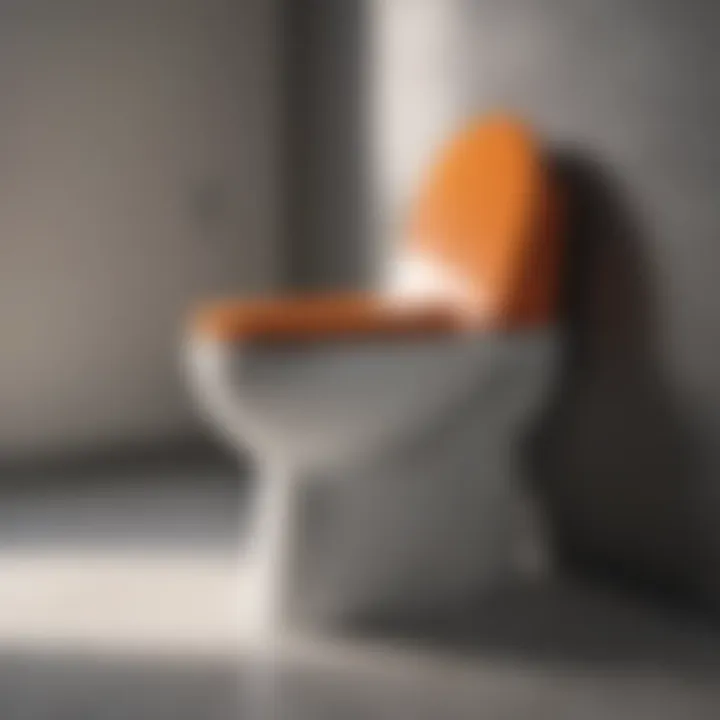
Keeping toilet seat caps clean and well maintained is not just about aesthetics — it has functional importance too. From preserving the materials to ensuring hygiene, regular maintenance makes a significant difference. A clean toilet seat cap also impacts the overall ambiance of your bathroom, contributing to a more pleasant environment.
Materials-Specific Cleaning Techniques
To properly maintain toilet seat caps, the cleaning method employed should correspond to the material. Different materials have distinct vulnerabilities.
- Plastic Caps: For plastic toilet seat caps, using warm soapy water and a soft cloth usually does the trick. Avoid abrasive cleaners, as they can scratch the surface. A vinegar-water mix can effectively deal with stubborn stains.
- Metal Caps: Stainless steel or chrome caps require a bit of finesse. Use a microfiber cloth with a dedicated metal cleaner. If you notice any water spots or fingerprints, glass cleaner works well too, giving them a shine!
- Ceramic and Porcelain Caps: These are relatively easy to clean, but take care not to use any abrasive pads. A non-abrasive sponge with a general-purpose cleaner usually suffices. If there are any hard-water stains, a paste of baking soda and water can spot-treat the area before scrubbing it away.
"Taking the time to understand your toilet seat cap materials paves the way for better sustained upkeep."
Frequency and Best Practices
How often should one clean their toilet seat caps? It's not just a matter of letting time dictate your cleaning habits. A common guideline is to clean your toilet seat caps at least once a week; however, households with children or pets may require more frequent attention.
- Weekly Cleaning: At the very least, each week, a simple wipe down with soapy water should be part of your routine.
- Monthly Deep Clean: At the end of each month, consider doing a deep clean where you remove the caps for a thorough scrub beneath and around them. This gets rid of the buildup that might not be visible on the surface but can attract unwanted germs.
- Use Liners or Covers: If you want even more protection against grime and stains, think about using protective covers for your caps. This can save you time and effort, especially in high-traffic bathrooms.
Additionally, it is also a good idea to check the caps periodically for any signs of wear and tear. This proactive approach helps prevent any lingering issues that could escalate into larger problems later, keeping both hygiene and aesthetics in check.
Advancements in Toilet Seat Cap Design
The realm of toilet seat caps has seen a noticeable shift, reflecting a broader trend towards innovation and customization in home fixtures. This section dives into the evolving landscape of toilet seat cap design, shedding light on how advancements not only enhance functionality but also cater to aesthetic and environmental concerns.
Innovative Materials
In recent years, the materials used in toilet seat caps have taken a significant turn. Apart from the traditional plastics, manufacturers are exploring options that blend functionality with enduring style. For instance, high-density polyethylene has gained traction due to its durability and resistance to stains and scratches. This material tends to hold its appearance over time, making it a sound investment for homeowners who seek longevity in their products.
Meanwhile, the introduction of composite materials—blending plastic with fibreglass—has offered another layer of strength while lightening the weight of the caps. This innovative approach brings ease in installation and a comfort level during use, aspects that are especially appreciated in busy households.
"The importance of innovative materials rests on their ability to address user demand for both practicality and visual appeal."
Eco-Friendly Options
As environmental issues come increasingly to the fore, eco-friendly designs have emerged as a vital consideration in the design of toilet seat caps. Natural bamboo and recycled wood offer sustainable alternatives to petroleum-based plastics. They not only serve the purpose of protecting screws and ensuring hygiene but also provide a natural aesthetic that can enhance the overall design of a bathroom.
Moreover, some brands are making headway in producing caps manufactured from recycled plastics. This reduces the carbon footprint of the production process and diminishes landfill waste, aligning with the values of eco-conscious homeowners.
To implement sustainable practices, consider the following:
- Research products that utilize recycled materials.
- Inquire about the sourcing of natural materials used in caps.
- Assess the lifecycle of the cap, including its end-of-life disposal.
Comparative Analysis of Popular Brands
When it comes to toilet seat caps, understanding the various brands available is paramount. This section serves as a detailed comparative analysis of popular brands, exploring specific elements like material quality, design options, pricing, and customer service. It sheds light on how consumer choices can be informed, allowing homeowners to make sound decisions tailored to their needs.
Choosing the right brand can lead to enhanced functionality, durability, and overall satisfaction. A comprehensive look at brand offerings helps to navigate features, ensuring you know what you’re getting before you commit to a purchase. Furthermore, it allows you to consider which companies align with your values, such as sustainability and ethical production practices.
Brand A Overview
Brand A is known for its innovative approach to toilet seat caps, predominantly utilizing high-quality plastic that promises both durability and ease of cleaning. Users consistently rave about their lightweight design, making installation a breeze and maintenance manageable. The caps come in a variety of colors, enabling homeowners to harmonize them with existing bathroom decor.
One of the standout features of Brand A is its user-friendly warranty policy. Customers often comment on how straightforward it is to initiate returns or exchanges, and this speaks volumes about their commitment to customer satisfaction. For homeowners looking to marry functionality with aesthetics, Brand A offers an attractive range of options without sacrificing resilience.
Brand B Overview
Brand B, on the other hand, takes a different route by focused on metal caps. These are often praised for their sleek appearance and robust construction. They may weigh more than their plastic counterparts, but this heft translates to a feeling of stability and longevity that many users enjoy.
The metallic finish can elevate the bathroom’s aesthetics, aligning well with modern and minimalist designs. However, users should be aware that these caps require a bit more maintenance to prevent corrosion, especially in humid environments.
Brand B places a strong emphasis on eco-friendliness, using recycled materials in their manufacturing processes, which resonates with environmentally conscious consumers. Customer reviews often highlight their standout response time in customer service, ensuring any issues are quickly addressed.
Overall, comparing these two brands sheds light on their unique strengths and caters to distinct preferences. Brand A excels in practicality and ease of use, while Brand B appeals to a more aesthetic and environmentally-friendly audience offereing many choices for those in search of a metal option.
"When selecting toilet seat caps, your choice should reflect your personal style and practical needs, ensuring a perfect fit for both your bathroom's design and your lifestyle."
In focusing on these brands, readers can make informed decisions that will lead to a satisfactory user experience, ensuring their choice aligns with both functional and aesthetic values.
User Experience and Feedback
The realm of toilet seat caps may seem trivial to some, but the user experience when it comes to these fixtures bears significant weight. In both aesthetics and functionality, the impressions of customers can drive the market trends and ultimately influence future innovations in design. Furniture for your bathroom isn’t just practical; it should also provide satisfaction and meet expected standards. That's why exploring user feedback is essential. It goes beyond mere numbers and delves into the realm of individual experiences that illustrate the strengths and weaknesses of various brands and models.
Customer Satisfaction Ratings
When folks buy a toilet seat cap, they often expect it to fulfill certain criteria—comfort, fitting, durability, and cleanliness are top of mind. Customer satisfaction ratings serve as measurable indicators of how well a product performs according to these aspects. These ratings can vary from brand to brand and even model to model. For example, some users highlight that certain brands offer an unparalleled snug fit that prevents rocking or uneven seating. Other reviews claim that some caps possess special coatings that resist stains and retain their luster after extensive cleaning.
However, it’s useful to take a peek behind the ratings:
- 4-5 Stars: Often go to brands that combine functionality and aesthetic appeal. Users enjoy a wide variety of colors and designs that match their bathroom decor.
- 2-3 Stars: Users may praise the appearance but often lament about functionality features like easy installation or durability over time.
- 1 Star: These ratings usually come with tales of dissatisfaction, whether it be sharp edges, fitting problems, or rapid wear and tear of materials.
Many shoppers rely on user-generated ratings to guide their purchasing decisions, proving that these numbers carry weight far beyond simple statistics.
Common Praise and Criticisms
Users typically share their experiences involving toilet seat caps in detail, often highlighting specific aspects of their encounters. Some common praises, as well as criticisms, emerge when examining these testimonials:
Praise:
- Durability: A resilient toilet seat cap is often celebrated. Customers may find satisfaction in purchasing a product that endures the test of time and daily use.
- Ease of Cleaning: Many reviews indicate appreciation for caps featuring smoother surfaces, which are easier to maintain. Users prefer options that do not harbor bacteria and reduce the need for scrubbing.
- Aesthetic Appeal: Caps that complement bathroom decor enjoy favorable reviews. Shoppers often express joy when they find a cap that adds a touch of elegance or uniqueness.
"A toilet seat cap is more than just another piece of plastic; it's a touch of comfort in our daily lives."
Criticisms:
- Poor Fit: One of the most headache-inducing complaints involves caps that simply do not fit well, leading to instability. Loose caps can create a host of issues, from discomfort to safety concerns.
- Color Fading: It’s not uncommon for users to mention that the once vibrant color of the cap fades significantly after a few months.
- Installation Issues: Some reviews mention frustrations due to unclear installation instructions or insufficient mounting hardware.
Balancing these praises and criticisms can offer other potential buyers valuable insight. Understanding real-life experiences helps to ascertain which products to select and what can be expected in everyday use. It’s all too clear that the user experience doesn’t just govern satisfaction; it informs a significant part of the buying decision cycle. As such, both triumphs and challenges in this niche deserve careful consideration.
The Role of Toilet Seat Caps in Sustainable Design
When we consider sustainable design in the context of household fixtures, toilet seat caps might not immediately come to mind. However, these inconspicuous elements play a significant role in reducing waste and improving longevity. Understanding their place in sustainable practices enlightens house owners and housewives about the eco-friendly choices they can make for their bathrooms. Moreover, as we all strive for greener living, these small components can contribute to a much larger picture, promoting efficient use of resources.
Reducing Waste
One of the first things to consider is how toilet seat caps can help us in reducing waste. These caps act as protective barriers for the screws and fittings underneath the toilet seat. When chosen wisely, they can extend the life of these fittings, meaning fewer replacements in the long run.
Not to mention, many toilet seat caps are made from recyclable materials, allowing you to dispose of them responsibly when it’s time for a change. By choosing caps made from recycled or eco-friendly materials, you not only contribute less to landfills but also support industries focused on sustainable manufacturing.
"Sustainable design isn’t just about the big changes, it’s also about the small choices that contribute to a larger goal."
To put things in perspective, consider these points:
- Material Selection: Opt for caps made from sustainable materials like bamboo or specialized bioplastics. These alternatives often have a smaller carbon footprint compared to traditional plastics.
- Longevity: A durable toilet seat cap that’s designed to withstand wear and tear reduces the frequency of replacements. Look for quality over quantity; paying a bit more upfront can save waste in the long haul.
- Recyclability: Research brands that promote recyclability in their products. Some manufacturers offer take-back programs, highlighting a commitment to sustainable practices. This could dramatically reduce what goes into the landfill.
Being mindful about toilet seat caps goes beyond mere aesthetics; it speaks to a conscious effort in our daily routines. In doing this, house owners and still homes with beautiful, functional toilets can also embody a commitment to environmental sustainability. The nuances around seemingly mundane aspects can indeed create ripples that contribute to a healthier planet.
Legal and Health Considerations
In the discussion surrounding toilet seat caps, their legal and health considerations take center stage when thinking about safety and wellness in home environments. Legal standards can dictate not only the materials used but also the acceptable practices in manufacturing and installation. Both homeowners and manufacturers must adhere to certain guidelines to ensure that the products used are safe for regular contact and do not pose a risk to health. This is particularly significant given that toilets are used multiple times daily, making hygiene and safety paramount.
Regulatory Standards
Regulatory standards play a critical role in the toilet seat cap industry. In many locales, products must meet specific certifications that ensure safety and health compliance. For instance:
- ANSI Standards: Set by the American National Standards Institute, these guidelines cover the quality of materials and production practices, ensuring that caps are durable and safe.
- CPSC Compliance: The Consumer Product Safety Commission oversees safety regulations, addressing issues like sharp edges or materials that could cause allergic reactions.
- EPA Guidelines: Especially when considering eco-friendly options, the Environmental Protection Agency outlines regulations regarding materials that are sustainable and non-toxic.
These standards can vary from one region to another, so homeowners should always check local building codes and regulations before making purchases or decisions regarding toilet seat caps. Understanding these guidelines not only fosters informed choices but also fortifies the safety of household products.
Health Implications of Materials Used
The materials utilized in toilet seat caps can have substantial health implications. Many homeowners do not give much thought to this aspect, but it’s crucial. Consider the following:
- Plastic Caps: Commonly made from PVC or ABS, the long-term exposure to these materials can sometimes lead to leaching chemicals, especially if the cap is subjected to high heat or frequent cleaning with harsh chemicals.
- Metal Caps: Although they are often more durable, certain metals can corrode or rust over time, potentially leading to contamination.
- Ceramic and Porcelain Caps: While these are generally safe and offer a classic look, any chips or cracks can harbor bacteria, undermining their intended hygiene benefits.
"Choosing the right material for toilet seat caps is not just an aesthetic choice, but a health-conscious decision that could affect the wellbeing of your family."
To mitigate health risks, homeowners should opt for materials labeled as non-toxic and hypoallergenic. Understanding these elements fosters not only better health practices but also contributes to a more sustainable lifestyle by ensuring that the materials used are both safe and environmentally friendly.
DIY Alternatives and Customization
When it comes to toilet seat caps, the standard options available on the market may not always fit everyone’s taste or specific needs. This is where DIY alternatives and customization come into play, providing a level of personalization that can truly reflect an individual's style and practicality. The importance of this section lies in its ability to empower homeowners and housewives to take control of their bathroom aesthetics and functionality, creating something that resonates more closely with their vision.
Engaging in DIY projects does not only offer a practical solution but also fosters creativity and self-satisfaction. The thrill of handcrafting items allows for one to connect more deeply with their living space. Moreover, creating custom components can often be more cost-effective than purchasing off-the-shelf products. Yet, one should always weigh the benefits against the time and effort spent.
Creating Custom Caps
When it comes to crafting custom caps, the sky's the limit. Homeowners can experiment with a variety of materials and designs tailored to their preferences. For those who are handy with tools, creating caps from wood or even glass can add a unique touch. Here are some steps and considerations for making your own toilet seat caps:
- Materials: Choose a base material. For example, wood can be treated for durability and can be painted or stained according to your bathroom’s color scheme.
- Design: Sketch out your design on paper before you start. You could have a simple round shape, or something intricate that showcases personal flair.
- Tools: Utilize tools like saws, drill, and sandpaper. Don’t forget the importance of safety gear as you work.
"A home reflects its owner, and customizing small details can speak volumes about one’s taste."
- Finishing Touches: After constructing your cap, apply a protective finish to ensure it withstands humidity and frequent use. Consider sealing it with waterproof varnish.
Customizing toilet seat caps allows not just for an aesthetic upgrade, but for tweaking functionality as well.
Functional Upgrades
Functional upgrades can drastically improve the experience of using a toilet seat. Homeowners often overlook the possibility of enhancing toilet caps to offer greater utility. Below are some ideas that fuse design with practicality:
- Soft-Close Mechanism: Installing a soft-close feature can mitigate the noise of slamming lids, offering a quieter experience especially in the early mornings or late nights. This involves adding specialized hinges that control the speed at which the lid closes.
- Ergonomic Design: Custom caps can be designed to fit more comfortably on the seat, catering to varying needs throughout the household. For example, wider designs could better accommodate individuals needing extra space.
- Built-in Disinfectant Holders: Consider creating caps that integrate a small compartment for disinfectant wipes. This makes it easier to maintain hygiene after each use.
- Decorative Elements: Adding features like LED lights or unique patterns can not only add charm but also function at night.
The Future of Toilet Seat Caps
As our understanding of home design and sustainability evolves, the humble toilet seat cap is beginning to get the attention it deserves. No longer seen merely as a protective accessory, it is making its way into discussions around effective design and sanitation in modern bathrooms. This article seeks to explore the future of toilet seat caps by examining emerging trends and potential innovations.
In a household, these small components can have a notable impact on both aesthetics and functionality. Homeowners are starting to realize that what might seem like an insignificant detail can actually enhance not only the bathroom's look but its overall usability. By keeping an eye on future developments in toilet seat cap technology and design, users can make informed choices that contribute to a more functional and eco-conscious environment.
Trends in Design and Function
With growing emphasis on personalization and style in home decor, toilet seat cap design is no exception. Homeowners are now looking for options that reflect their tastes and unique lifestyles.
- Sleek Minimalism: The trend toward minimalist bathroom design has trickled down to toilet seat caps. Simple, clean lines with neutral colors are popular, making the caps blend seamlessly into their surroundings.
- Bold Designs: Conversely, there's a surge in colorful and patterned toilet seat caps for those who prefer to make a statement. From floral prints to geometric shapes, choice of cap design can become an eye-catching focal point.
- Functional Aesthetics: More brands are partnering with interior designers to create caps that serve multiple purposes. Some innovative designs incorporate storage solutions, allowing for a rustic yet functional touch while minimizing clutter in small spaces.
Potential Innovations
As we look to the future, the possibilities for advancements in toilet seat cap technology are abundant. Several areas show promise for enhancing both performance and user experience:
- Smart Features: Imagine a toilet seat cap that alerts you when it’s time to clean or even regulates and uses a purification system to ensure hygiene standards remain high. Smart technology could revolutionize not just functionality but entire bathroom interactions.
- Sustainable Materials: There is a growing demand among consumers for eco-friendly products. Future advancements may include toilet seat caps made from recycled materials or bioplastics that reduce environmental impact while maintaining durability and style.
- Adaptable Designs: Flexibility in design is crucial. Innovations could lead to caps that adjust in size and fit. This would cater to a wider range of toilet models and shapes, making the goal of universal design more achievable.
As we move forward, the toilet seat cap is poised to see a wave of creativity and functionality that matches the needs of today’s discerning homeowners and aligns with modern values. By investing in this often-overlooked component, people are not just enhancing their home’s aesthetic; they are also contributing to an overall commitment to sustainability and smart living.